What is limestone? What are the uses of limestone? is retained as an industry record. Read dates, organizations, policies and market statements in their original context, and verify current requirements before using the article for a new project.
Original industry report
When people talk about natural stone, most people think of granite and marble, and few think of limestone. However, limestone is a material that has many applications in natural stone buildings. In this paper, we introduce what this material is, some of its characteristics, and how it is used.
What is limestone?
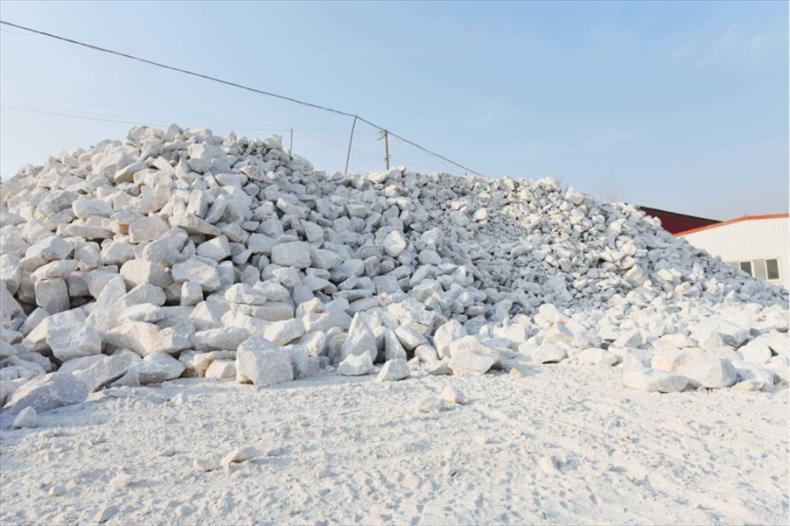
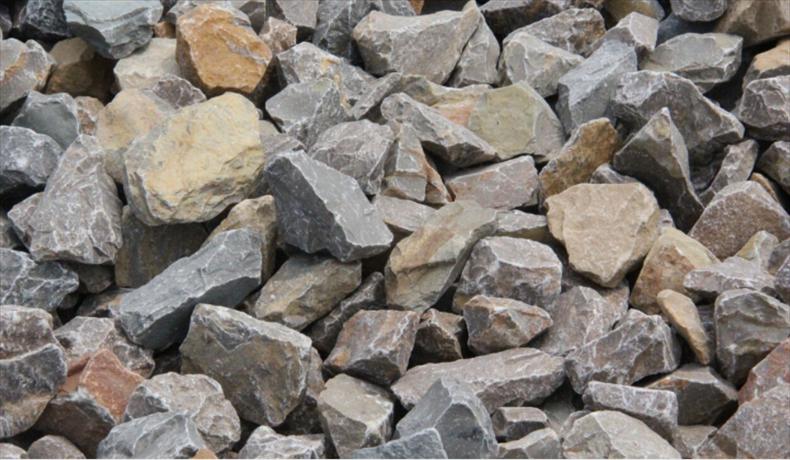
The surface of natural limestone is composed of natural limestone. But what is limestone? The general answer can be simply: "limestone is a sedimentary rock found in the aquatic environment."
Limestone is a common carbonate sedimentary rock. It is mainly composed of calcite and aragonite, which are different crystal forms of calcium carbonate (CaCO3). When these minerals precipitate from water containing dissolved calcium, they form limestone. This can be achieved through biological and abiotic processes, although biological processes may be more important in the past 540 million years.
The composition of natural stone will affect the use and appearance of stone, and even the care and maintenance required. In addition, the processing method of materials is affected by their constituent materials. Therefore, materials composed of the same minerals will have similar characteristics and are considered relevant.
Hardness of limestone
Compared with other natural stones, calcareous stones are relatively soft. Because of this, the hardness of limestone on the Mohs scale of mineral hardness is 4 or 5.
How is limestone used?
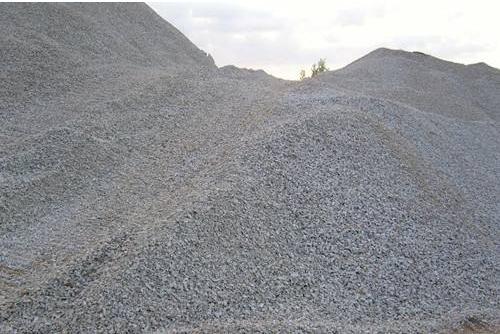
Limestone is widely used and cannot be listed one by one. However, what we need to do is to give you an expression and let you understand the idea. Limestone powder, size stone, slate and ceramic tiles are used in a variety of practical products in a variety of ways, including:
Paper, glass, paint, cement, plastic, concrete, medicine, cosmetics, toothpaste, lava, wallboard, floor tile, size stone, soil conditioner, roof particles, coal mine safety dust, building facade, animal feed filler and sculpture materials
It is easy to see from the above that limestone is a kind of material with a wide range of uses and various forms. Its use is the product of its main component minerals.
Relevance to quarrying and cutting projects
How to use this record in a current decision
When “What is limestone? What are the uses of limestone?” is cited in a new feasibility study or equipment discussion, identify which statements are dated facts and which remain applicable technical principles. Check cut and hole layout, equipment sequence, water and air supply, bench condition and block movement against the current site, then retain a quarry survey, block plan, equipment flow, trial result and operating-risk review with the new decision file. This keeps the historical source visible without presenting it as a new event or a universal project result. Record the source date, reviewer and reason for carrying each conclusion into the current project.
Facts to confirm before reuse
- Publication period and whether the cited policy or market condition is still current
- Country, region, organization and material to which the statement applies
- Original units, definitions and comparison basis for any figures
- Current technical agreement, site survey and acceptance method for a new project