
Use “What types of stone can be cut with a stone chain saw machine?” as a decision brief for a stone chain saw machine: define stone type, bench geometry, required cut depth, chain and arm configuration, power source and site access, verify chain condition, lubrication or cooling, guide-arm alignment, feed pressure and cutting direction and retain a stone-specific trial, chain and insert specification, cut geometry and maintenance plan before approval.
Technical context for What types of stone can be cut with a stone chain saw machine?
Stone chain saw machines are powerful tools used in various stone cutting applications. These machines employ a chain equipped with diamond segments, making them highly efficient for cutting different types of stone. Understanding the types of stone that can be effectively cut with a stone chain saw machine is essential for professionals in the quarrying, construction, and stone fabrication industries. This article will explore the various types of stone suitable for cutting using these advanced machines, highlighting their properties, advantages, and applications.
Granite
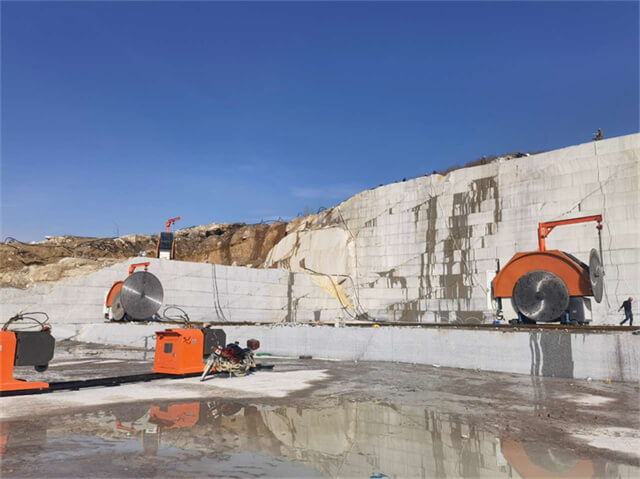
Granite is one of the most popular stones cut by stone chain saw machines. Known for its hardness and durability, granite is widely used in countertops, flooring, and monuments. The diamond segments on the chain saw can easily slice through the dense structure of granite, allowing for precise cuts and intricate designs. The ability to make smooth, clean cuts reduces the need for further finishing work, making granite an ideal choice for both commercial and residential projects.
Marble
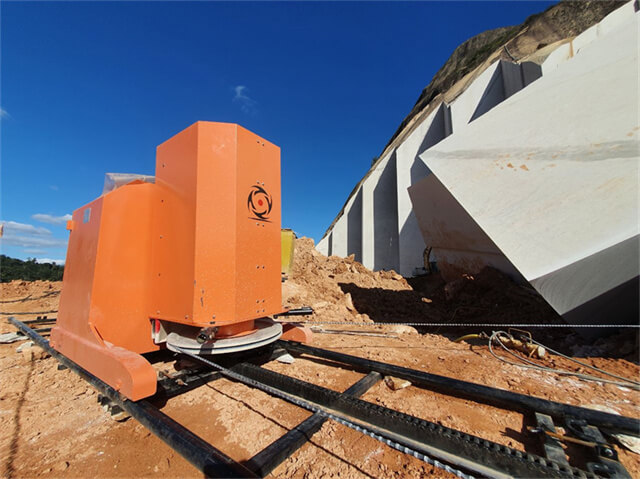
Marble, with its beautiful veining and polish, is another stone commonly cut with stone chain saw machines. While not as hard as granite, marble requires careful handling to avoid chipping and cracking. The flexibility of the chain saw allows for delicate cuts that preserve the stone's aesthetic qualities. Marble is often used in high-end architectural features, sculptures, and decorative elements, making precision cutting essential for achieving the desired finish.
Limestone
Limestone is relatively softer than granite and marble, which makes it easier to cut. Stone chain saw machines can efficiently handle limestone, producing clean edges and shapes suitable for building materials, sculptures, and landscaping. Because of its porous nature, limestone can also absorb colors and finishes well, enhancing its appeal in various applications. The versatility of limestone allows for creative and functional uses in both interior and exterior design.
Sandstone
Sandstone, composed of sand-sized particles, is another stone that can be cut with a stone chain saw machine. Its layered structure makes it relatively easy to work with, and the chain saw can create smooth cuts without excessive effort. Sandstone is often used in outdoor applications, such as patios, walkways, and retaining walls, due to its natural weather resistance. The variety of colors and textures available in sandstone makes it a popular choice for both residential and commercial projects.
Slate
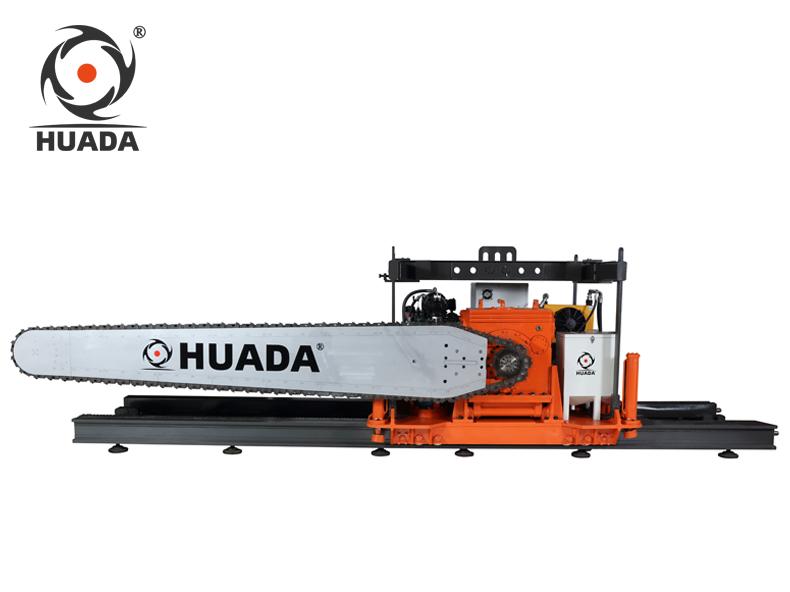
Slate is a fine-grained metamorphic rock that is prized for its durability and aesthetic appeal. A stone chain saw machine can effectively cut slate into tiles or custom shapes for roofing, flooring, and wall cladding. The natural cleft of slate adds unique textures and colors, making it an attractive option for various design applications. Care must be taken to ensure the cuts do not disrupt the natural layers of the stone, but the precision of the chain saw allows for careful manipulation.
Basalt
Basalt, formed from volcanic activity, is known for its strength and density. Cutting basalt with a stone chain saw machine is feasible, though it requires high-quality diamond segments due to its toughness. Basalt is frequently used in construction and landscaping, providing a unique, rugged appearance. The ability to achieve precise cuts allows for creative use in both structural and decorative applications.
Quartzite
Quartzite is a hard metamorphic rock that is often mistaken for granite due to its similar appearance. However, quartzite is denser and more challenging to cut. A stone chain saw machine can handle quartzite effectively, but it is crucial to use the right equipment and techniques. The resulting cuts can showcase the stunning patterns and colors of quartzite, making it a sought-after material for countertops, flooring, and decorative features.
Soapstone
Soapstone is a soft metamorphic rock that is relatively easy to cut compared to other stones. Stone chain saw machines can create intricate shapes and designs with soapstone, making it ideal for countertops, sinks, and sculptures. Its softness allows for detailed workmanship while still maintaining the stone's natural beauty. Soapstone is also heat-resistant, making it a practical choice for kitchen applications.
Conclusion
In summary, stone chain saw machines are versatile tools capable of cutting a wide range of stones including granite, marble, limestone, sandstone, slate, basalt, quartzite, and soapstone. Each type of stone presents unique characteristics and challenges, but with the right equipment and techniques, professionals can achieve high-quality cuts that enhance the beauty and functionality of their projects. Understanding the properties of each stone type enables better decision-making in selecting materials for construction, design, and artistry, ultimately leading to successful and enduring results.
Use evidence that can be retained
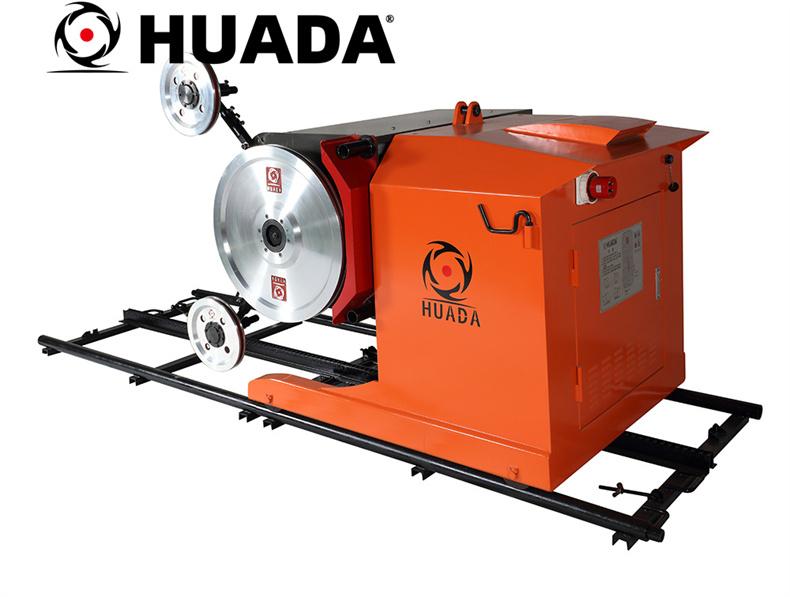
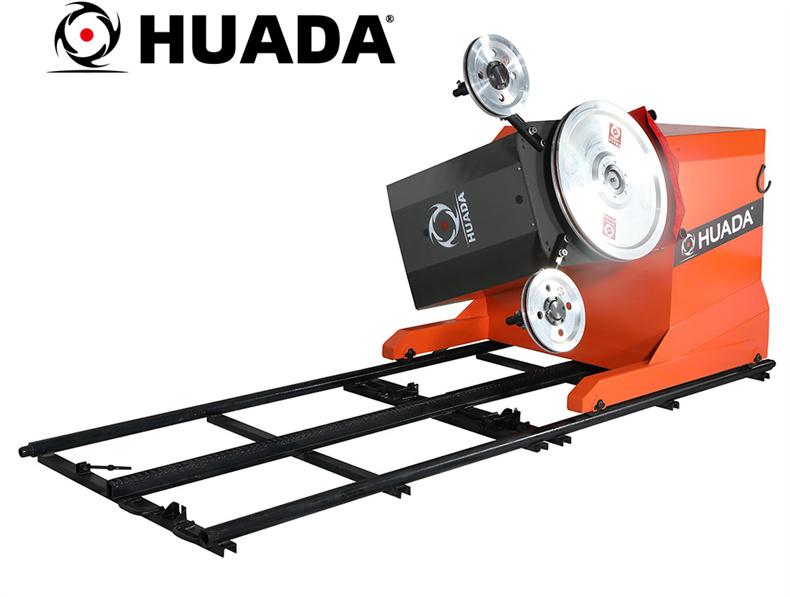
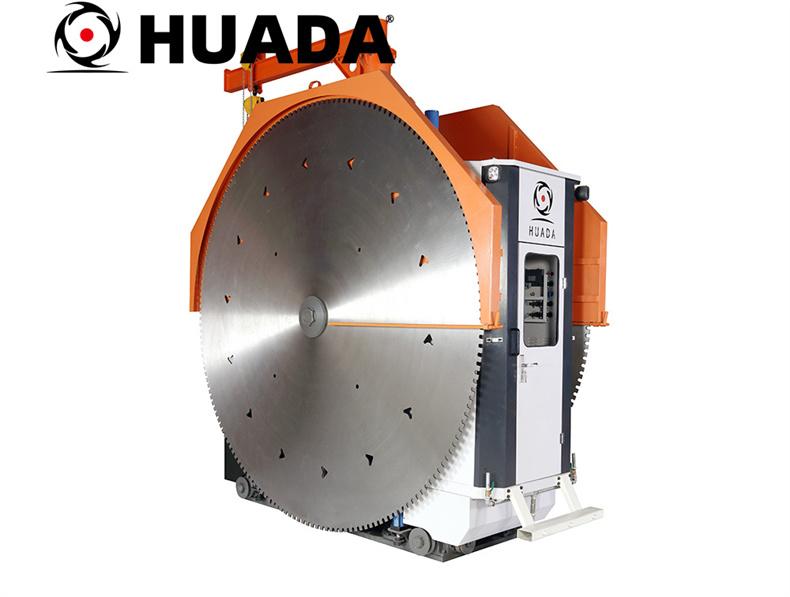
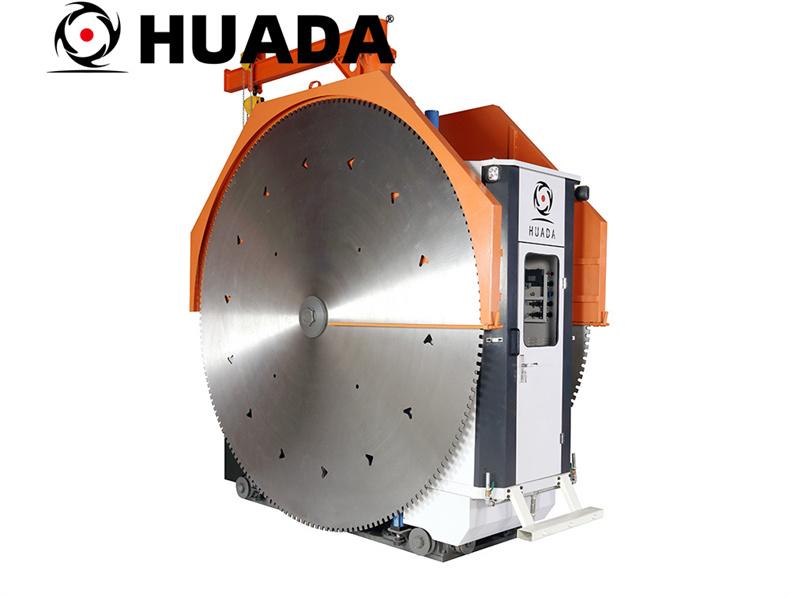
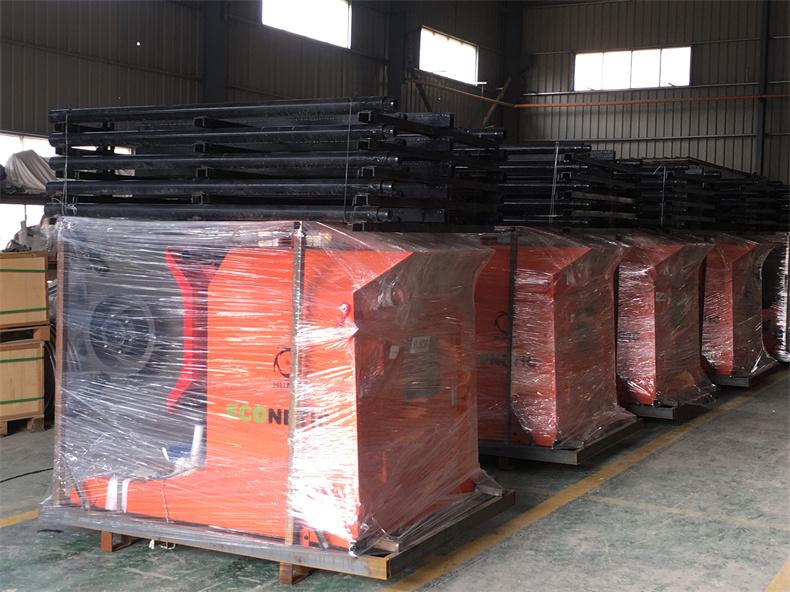
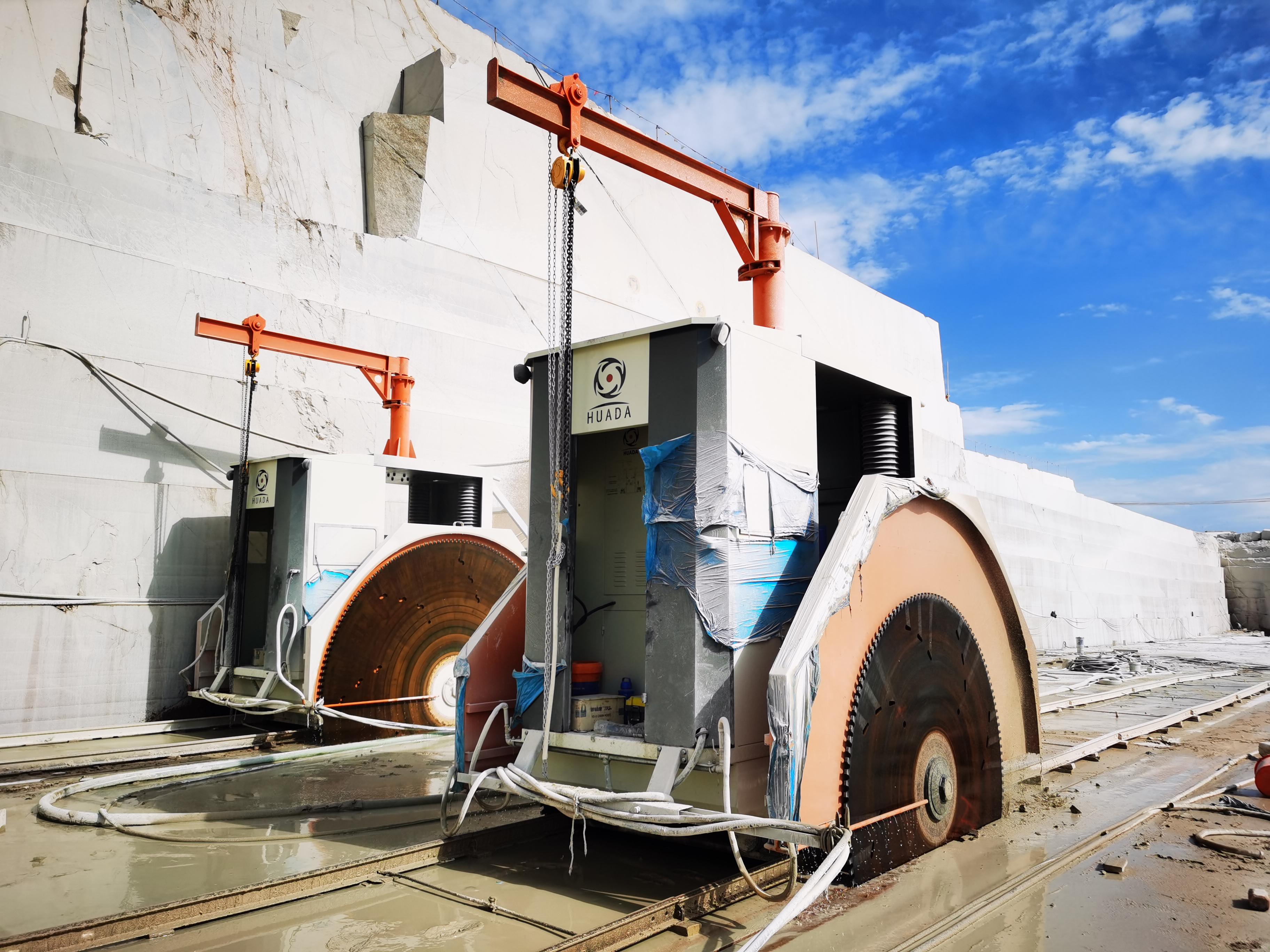
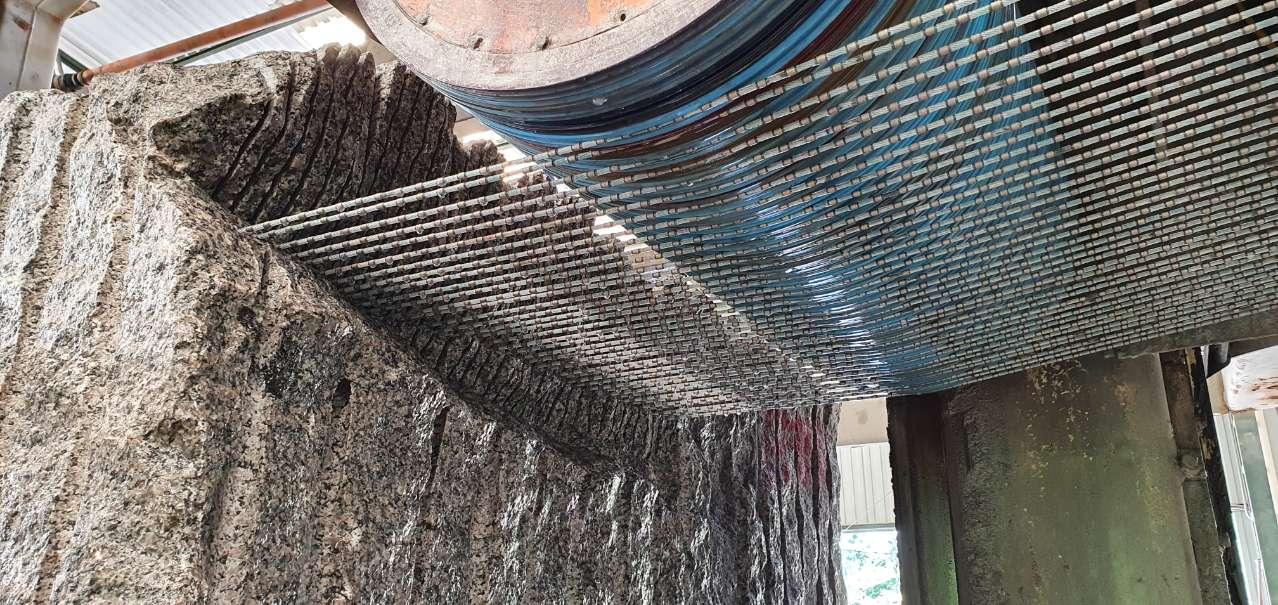
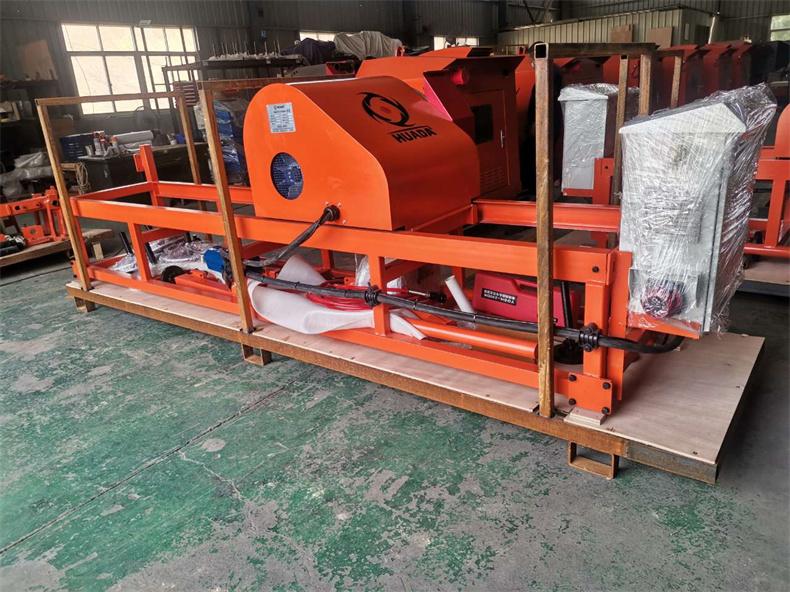
A practical review of “What types of stone can be cut with a stone chain saw machine?” should retain a stone-specific trial, chain and insert specification, cut geometry and maintenance plan. Photographs and brochures help identify the offered configuration, but they do not replace a test condition, measured result or signed scope. Record settings for chain condition, lubrication or cooling, guide-arm alignment, feed pressure and cutting direction so the accepted result can be repeated.
Control the main operating risk
The recurring risk in “What types of stone can be cut with a stone chain saw machine?” is using a chain, feed setting or guide-arm arrangement that is not matched to the stone and cut. Set a stop condition, assign who checks the machine and tool, and keep changes traceable. If the result moves outside the agreed window, investigate the material, alignment, tooling and utilities before adding load or speed.
Define the application before comparing equipment
For “What types of stone can be cut with a stone chain saw machine?,” write down stone type, bench geometry, required cut depth, chain and arm configuration, power source and site access. This separates a real project requirement from a search phrase and gives every supplier the same boundary. The proposed stone chain saw machine can then be checked against the material, site and required result instead of being accepted by name alone.
Decision and acceptance table
| Decision point | What to define | Evidence to keep |
|---|---|---|
| Application | stone type, bench geometry, required cut depth, chain and arm configuration, power source and site access | Written job or product brief |
| Operating window | chain condition, lubrication or cooling, guide-arm alignment, feed pressure and cutting direction | Recorded trial settings and observations |
| Acceptance | a stone-specific trial, chain and insert specification, cut geometry and maintenance plan | Signed sample, cut record or inspection note |
| Risk control | using a chain, feed setting or guide-arm arrangement that is not matched to the stone and cut | Named corrective action and stop condition |
Buyer and operator checklist
- Material and cut or hole dimensions for What types of stone can be cut with a stone chain saw machine?
- Offered stone chain saw machine configuration and included tooling
- Power, water, compressed air, access and lifting requirements
- Settings and checks covering chain condition, lubrication or cooling, guide-arm alignment, feed pressure and cutting direction
- Factory or site acceptance method and responsible people
- Training, critical spares, manuals and service response boundary
Frequently asked questions
What should be confirmed first for What types of stone can be cut with a stone chain saw machine??
For What types of stone can be cut with a stone chain saw machine?, start with stone type, bench geometry, required cut depth, chain and arm configuration, power source and site access. Those inputs determine whether the proposed stone chain saw machine and tool are relevant.
How should performance for What types of stone can be cut with a stone chain saw machine? be verified?
For What types of stone can be cut with a stone chain saw machine?, use a stone-specific trial, chain and insert specification, cut geometry and maintenance plan. Keep the material, operating conditions and acceptance criteria with the result.
Which settings matter during What types of stone can be cut with a stone chain saw machine??
For What types of stone can be cut with a stone chain saw machine?, record chain condition, lubrication or cooling, guide-arm alignment, feed pressure and cutting direction. A result without its settings is difficult to reproduce or compare.
When should work on What types of stone can be cut with a stone chain saw machine? be paused?
For What types of stone can be cut with a stone chain saw machine?, pause when the workpiece, support, guarding, utilities or cutting condition is unsafe, or when using a chain, feed setting or guide-arm arrangement that is not matched to the stone and cut is observed.