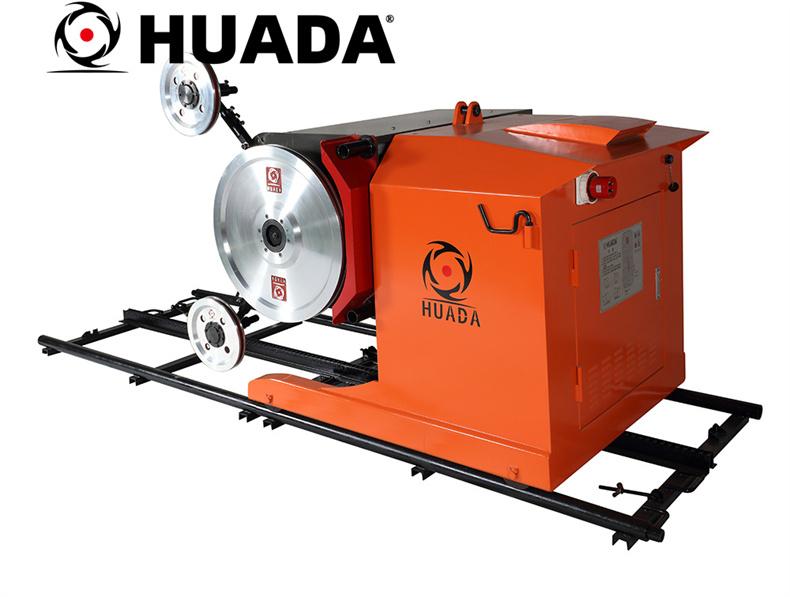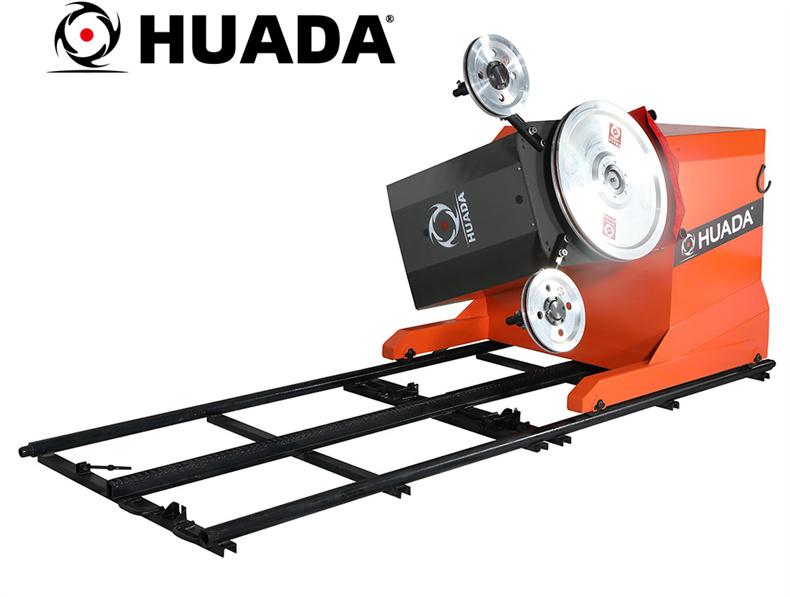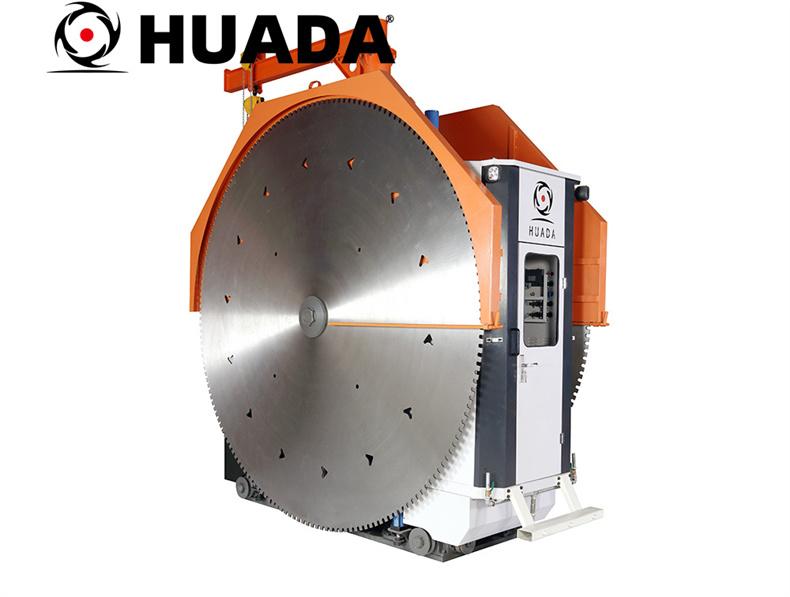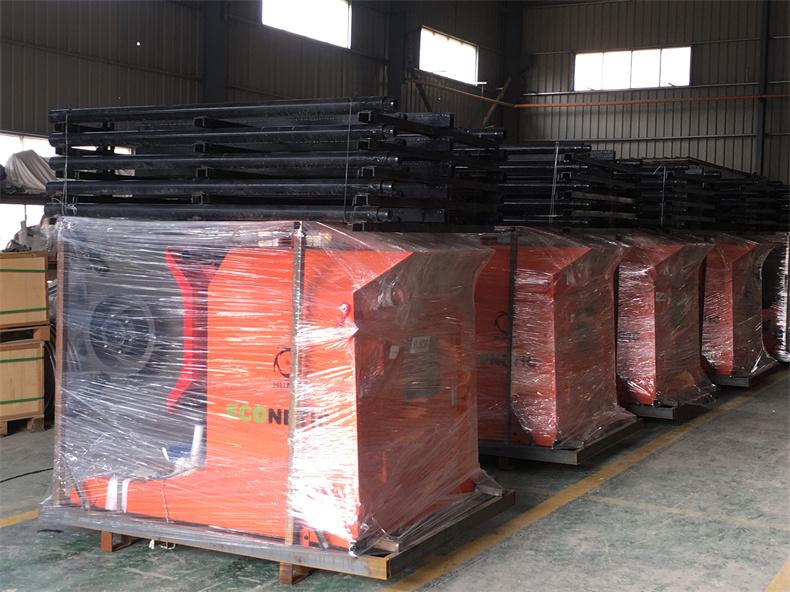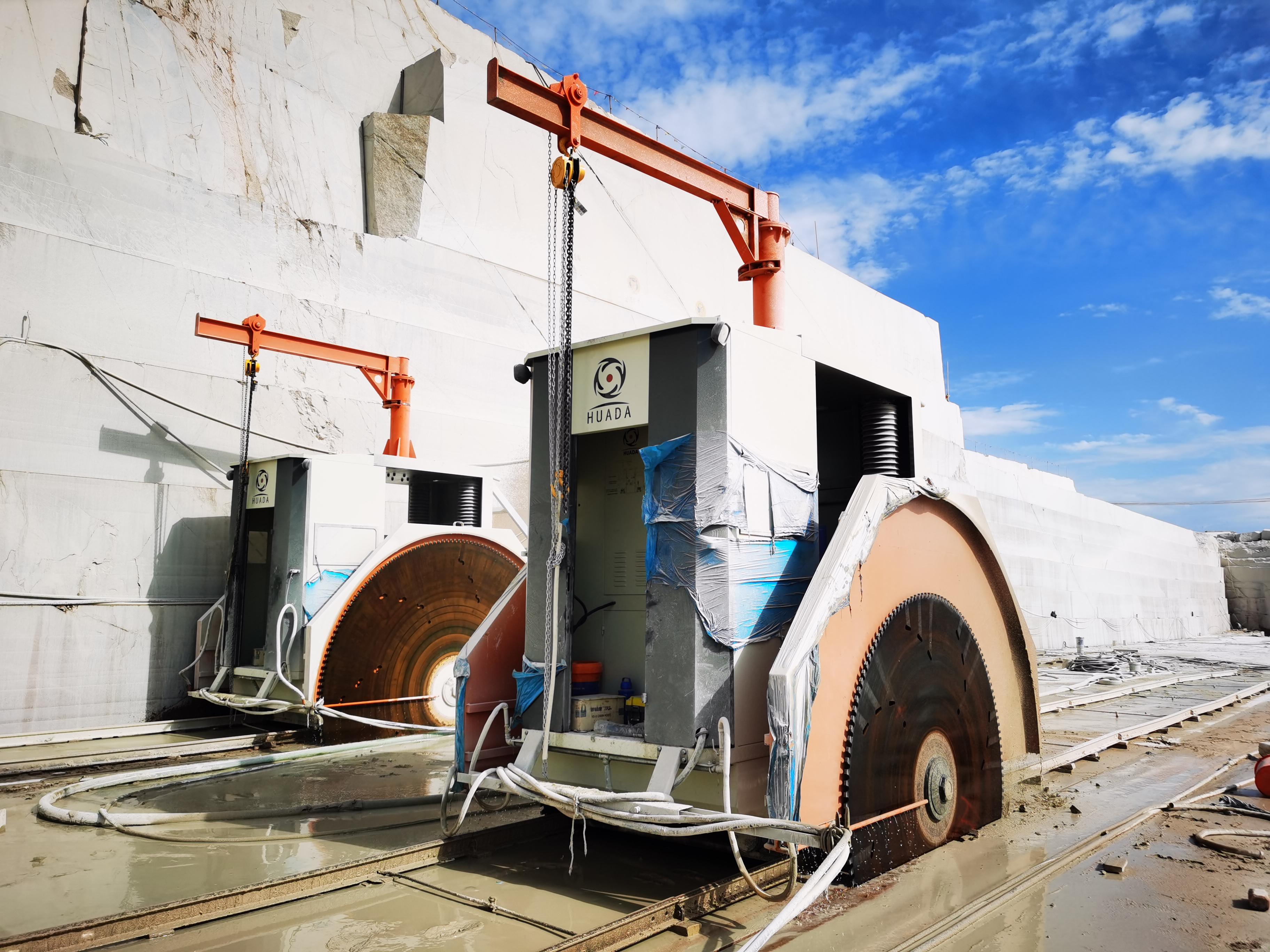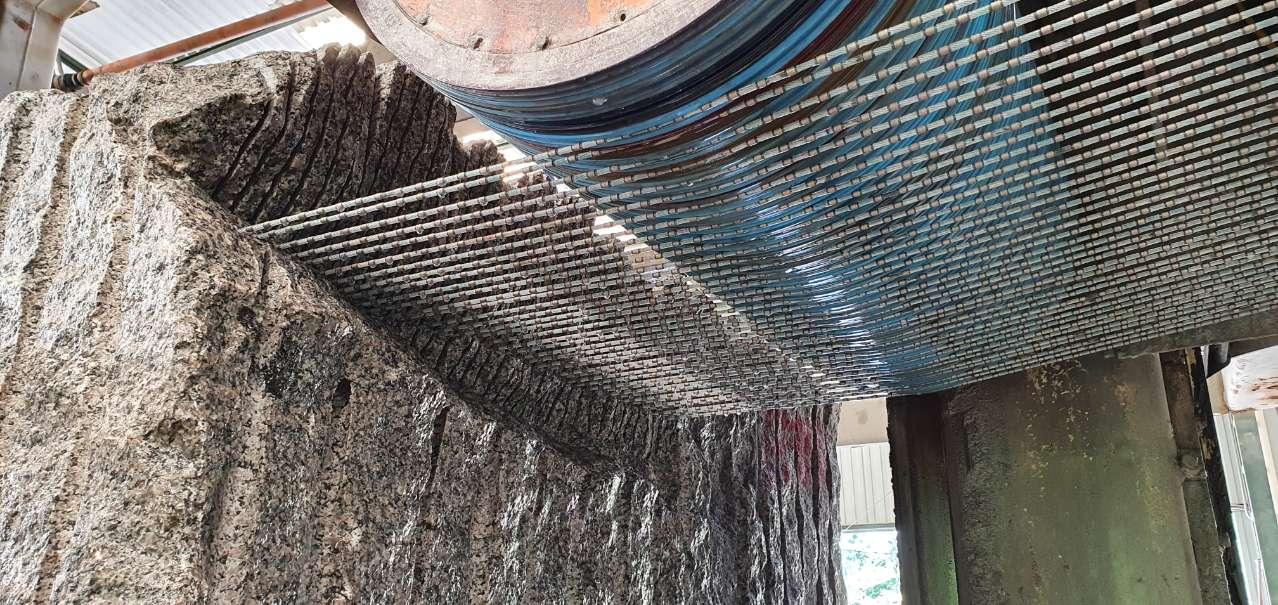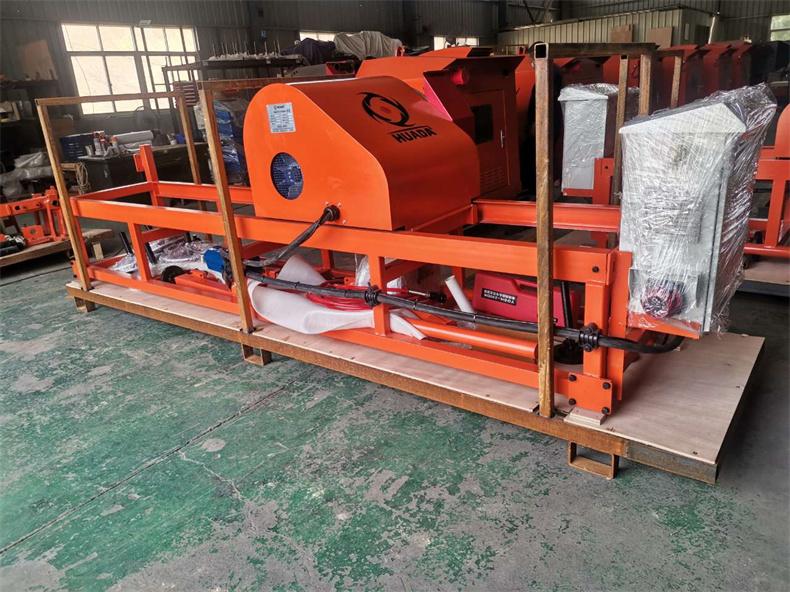

Use “How wire saw cutting machine used?” as a decision brief for a wire saw machine: define the material, cut size, access, pulley layout, drive power, wire specification and required finish, verify wire speed, feed rate, tension, cooling-water delivery, guide-wheel alignment and cut clearance and retain a representative cut record, wire-consumption notes, surface condition and a configuration drawing before approval.
Technical context for How wire saw cutting machine used?
Wire saw cutting machines have revolutionized the way materials are processed in various industries. These machines utilize a thin wire with diamond segments to cut through hard materials, offering precision and efficiency that traditional cutting methods often lack. This article will explore the operation of wire saw cutting machines, their applications, advantages, and some considerations for potential users. By understanding how these machines work and where they can be applied, operators can enhance productivity and achieve better results in their projects.
Understanding Wire Saw Technology
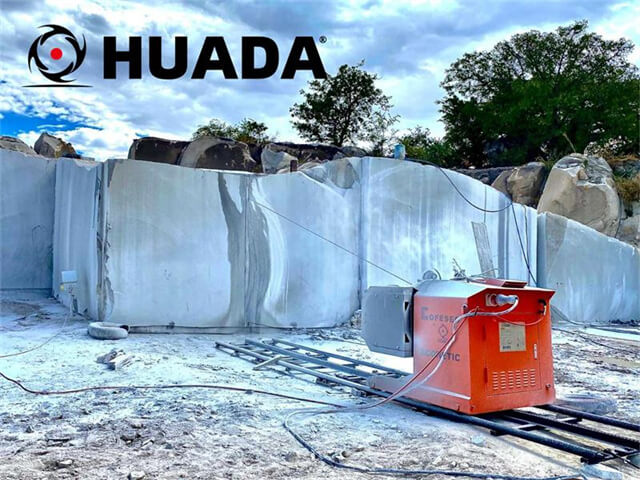
Wire saw technology operates on the principle of using a continuous loop of wire that is tensioned and guided to create clean cuts. The wire is typically embedded with diamond particles, making it capable of cutting through extremely hard materials such as granite, marble, concrete, and silicon wafers. The process is not only efficient but also minimizes material waste compared to conventional saws. The precise nature of wire saw cutting means that intricate shapes and designs can be achieved with a high degree of accuracy.
Components of a Wire Saw Cutting Machine
A typical wire saw cutting machine consists of several key components: the wire spool, drive system, tensioning mechanism, and guiding system. The wire spool holds the diamond wire, which is fed through the machine. The drive system powers the wire, enabling it to move at adjustable speeds, while the tensioning mechanism ensures that the wire remains taut during operation. The guiding system directs the wire along the intended cutting path, allowing for both straight cuts and more complex profiles.
Operation of a Wire Saw Cutting Machine
Operating a wire saw cutting machine requires careful setup and calibration. Initially, the operator must select the appropriate diamond wire based on the material being cut. Once the machine is set up, the wire is threaded through the guides and tensioned properly. The machine's speed and feed rate are adjusted according to the specific material properties and desired cut size. As the wire moves, it creates a slurry of particles that helps cool the wire and flush out debris, further enhancing the cutting process.
Applications of Wire Saw Cutting Machines
Wire saw cutting machines have a wide range of applications across several industries. In the stone industry, they are commonly used for quarrying and processing natural stones like granite and marble. The precision of wire saws allows for the creation of slabs with uniform thickness, which is essential for many architectural applications. In the semiconductor industry, wire saws are utilized for slicing silicon wafers, where maintaining flatness and minimal kerf loss is critical. Furthermore, these machines are increasingly being adopted in the construction industry for cutting reinforced concrete and other dense materials.
Advantages of Using Wire Saw Cutting Machines
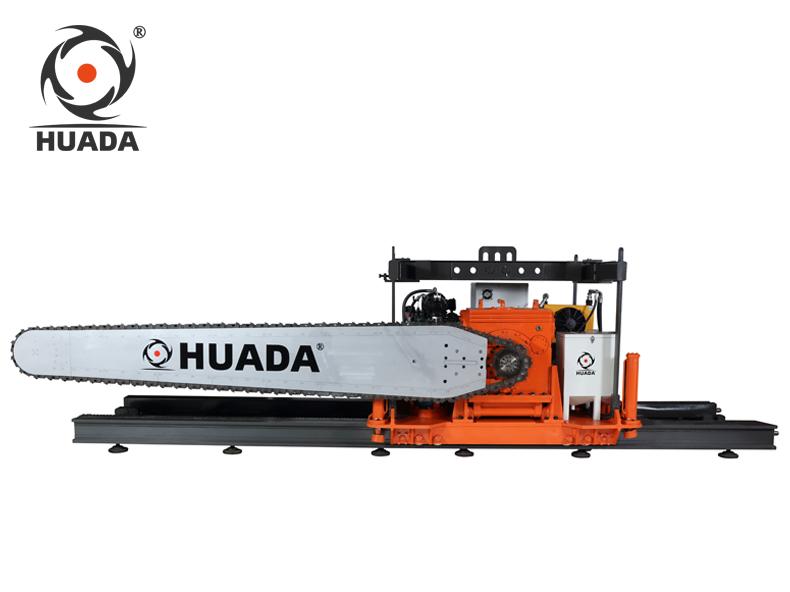
The advantages of wire saw cutting machines are numerous. Firstly, they provide a cleaner cut with less chipping and cracking, especially in brittle materials. This leads to higher quality finishes and less material wastage. Secondly, the flexibility of wire saws allows for intricate cuts and shapes that would be challenging to achieve with traditional saws. Additionally, wire saws tend to operate at lower noise levels and produce less vibration, contributing to a safer working environment. Finally, their efficiency can lead to significant cost savings over time, as they reduce both labor and material costs.
Considerations for Choosing a Wire Saw Cutting Machine
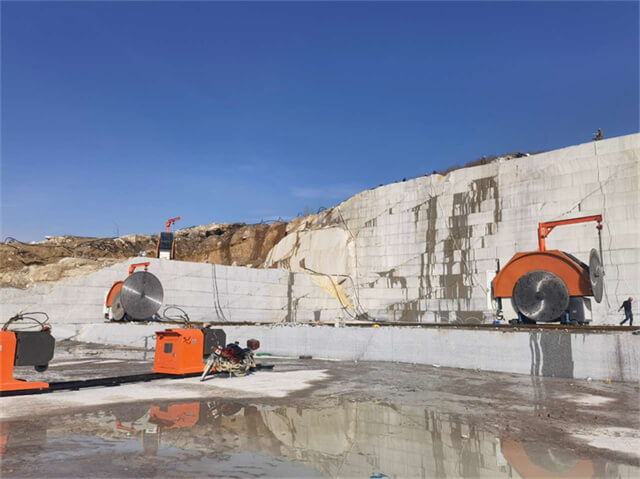
When selecting a wire saw cutting machine, there are several factors to consider. The type of material to be cut is paramount, as different materials may require specific types of diamond wire and machine configurations. The size and capacity of the machine should also match the scale of operations, ensuring that it can handle the required workload. Additionally, operators should evaluate the machine's ease of use, maintenance requirements, and after-sales support from the manufacturer. Investing in training for operators can also enhance the efficiency and safety of machine operation.
Future Trends in Wire Saw Technology
As technology advances, the capabilities of wire saw cutting machines are expected to improve significantly. Innovations in diamond wire technology, including the development of new bonding materials and wire configurations, will increase cutting efficiency and longevity. Automation and integration with digital technologies will enhance precision and allow for real-time monitoring of the cutting process. These advancements will likely lead to even broader applications across various industries, making wire saws an indispensable tool in modern manufacturing.
Conclusion
Wire saw cutting machines represent a significant advancement in material processing technology. Their ability to deliver clean, precise cuts while minimizing waste has made them invaluable in industries ranging from stone processing to semiconductor manufacturing. By understanding the operation, applications, and advantages of wire saw cutting machines, businesses can make informed decisions that enhance productivity and quality. As technology continues to evolve, these machines will undoubtedly play a crucial role in shaping the future of cutting and manufacturing processes.
Define the application before comparing equipment
For “How wire saw cutting machine used?,” write down the material, cut size, access, pulley layout, drive power, wire specification and required finish. This separates a real project requirement from a search phrase and gives every supplier the same boundary. The proposed wire saw machine can then be checked against the material, site and required result instead of being accepted by name alone.
Use evidence that can be retained
A practical review of “How wire saw cutting machine used?” should retain a representative cut record, wire-consumption notes, surface condition and a configuration drawing. Photographs and brochures help identify the offered configuration, but they do not replace a test condition, measured result or signed scope. Record settings for wire speed, feed rate, tension, cooling-water delivery, guide-wheel alignment and cut clearance so the accepted result can be repeated.
Control the main operating risk
The recurring risk in “How wire saw cutting machine used?” is poor pulley alignment, inadequate cooling, unsuitable wire or an unstable feed setting. Set a stop condition, assign who checks the machine and tool, and keep changes traceable. If the result moves outside the agreed window, investigate the material, alignment, tooling and utilities before adding load or speed.
Decision and acceptance table
| Decision point | What to define | Evidence to keep |
|---|---|---|
| Application | the material, cut size, access, pulley layout, drive power, wire specification and required finish | Written job or product brief |
| Operating window | wire speed, feed rate, tension, cooling-water delivery, guide-wheel alignment and cut clearance | Recorded trial settings and observations |
| Acceptance | a representative cut record, wire-consumption notes, surface condition and a configuration drawing | Signed sample, cut record or inspection note |
| Risk control | poor pulley alignment, inadequate cooling, unsuitable wire or an unstable feed setting | Named corrective action and stop condition |
Buyer and operator checklist
- Material and cut or hole dimensions for How wire saw cutting machine used?
- Offered wire saw machine configuration and included tooling
- Power, water, compressed air, access and lifting requirements
- Settings and checks covering wire speed, feed rate, tension, cooling-water delivery, guide-wheel alignment and cut clearance
- Factory or site acceptance method and responsible people
- Training, critical spares, manuals and service response boundary
Frequently asked questions
What should be confirmed first for How wire saw cutting machine used??
For How wire saw cutting machine used?, start with the material, cut size, access, pulley layout, drive power, wire specification and required finish. Those inputs determine whether the proposed wire saw machine and tool are relevant.
How should performance for How wire saw cutting machine used? be verified?
For How wire saw cutting machine used?, use a representative cut record, wire-consumption notes, surface condition and a configuration drawing. Keep the material, operating conditions and acceptance criteria with the result.
Which settings matter during How wire saw cutting machine used??
For How wire saw cutting machine used?, record wire speed, feed rate, tension, cooling-water delivery, guide-wheel alignment and cut clearance. A result without its settings is difficult to reproduce or compare.
When should work on How wire saw cutting machine used? be paused?
For How wire saw cutting machine used?, pause when the workpiece, support, guarding, utilities or cutting condition is unsafe, or when poor pulley alignment, inadequate cooling, unsuitable wire or an unstable feed setting is observed.