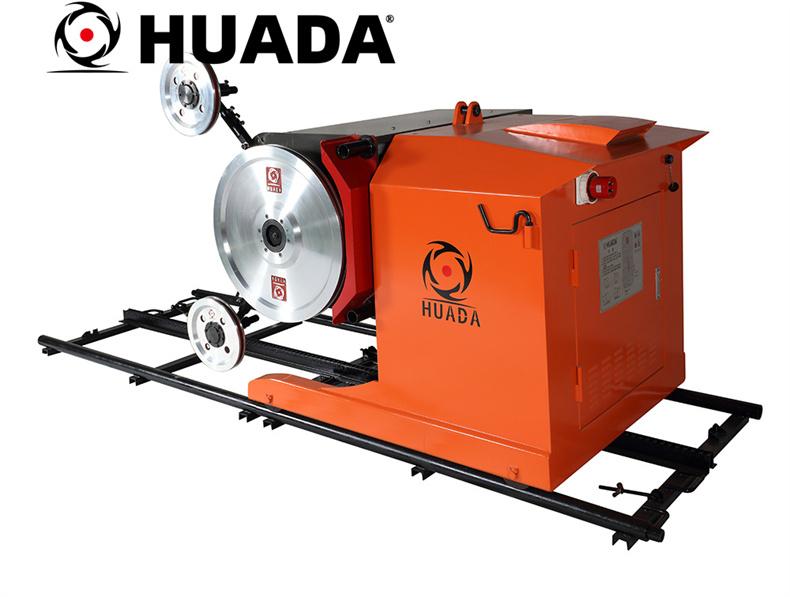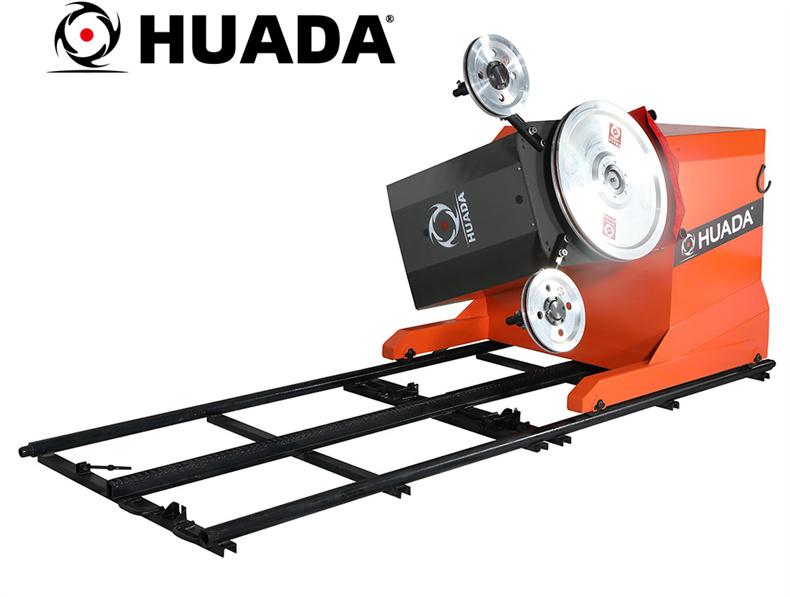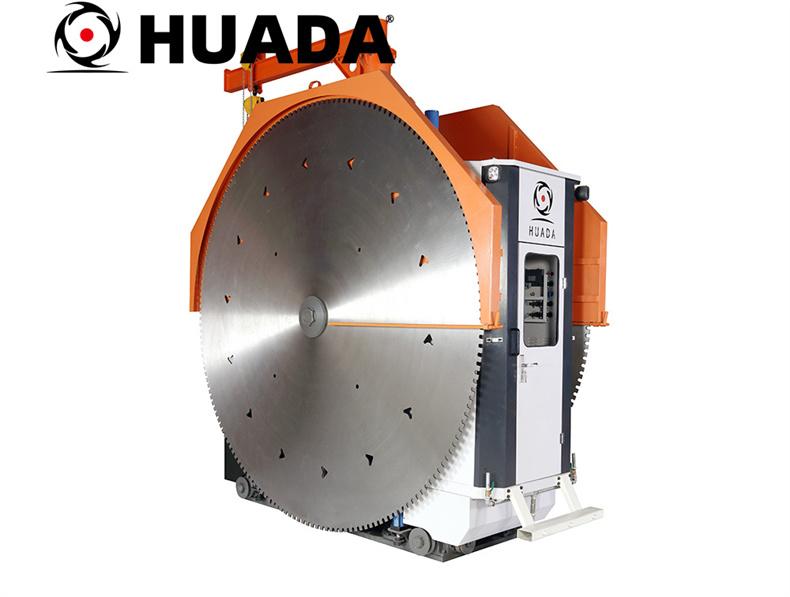

The service life discussed in “How can I maintain diamond wire for optimal performance?” is controlled by wire direction, tension, connection quality, cooling, rotation where required and bead wear. Trend wear and operating conditions together; replacing parts without correcting matching only bead diameter while ignoring bond, machine, material and operating conditions usually repeats the failure.
Technical context for How can I maintain diamond wire for optimal performance?
Maintaining diamond wire is essential for achieving optimal performance in cutting applications. Diamond wire saws are widely used in various industries, including construction, mining, and stone processing, due to their efficiency and precision. However, like any tool, proper care and maintenance are crucial to ensure longevity and effectiveness. In this article, we will discuss several key aspects of diamond wire maintenance, including cleaning, inspection, storage, and replacement strategies.
Understanding Diamond Wire Components
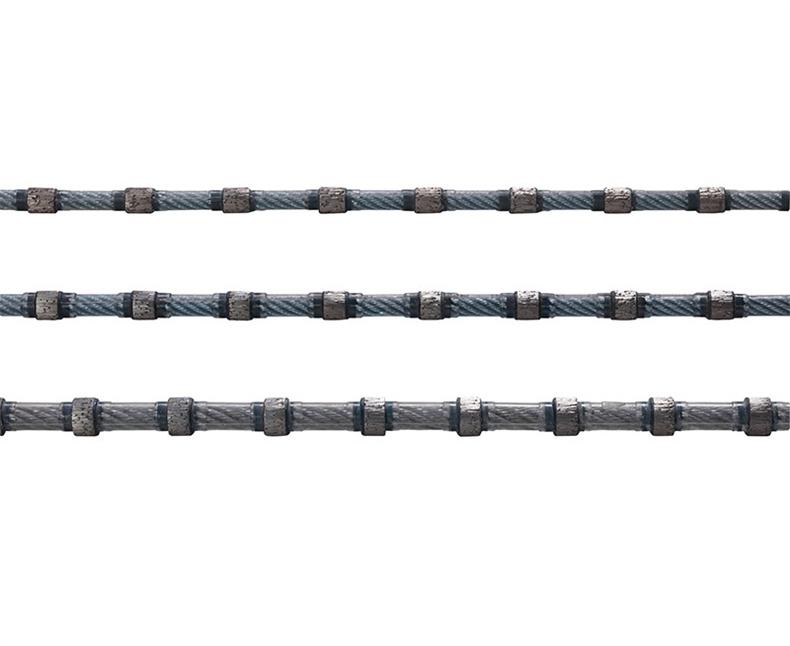
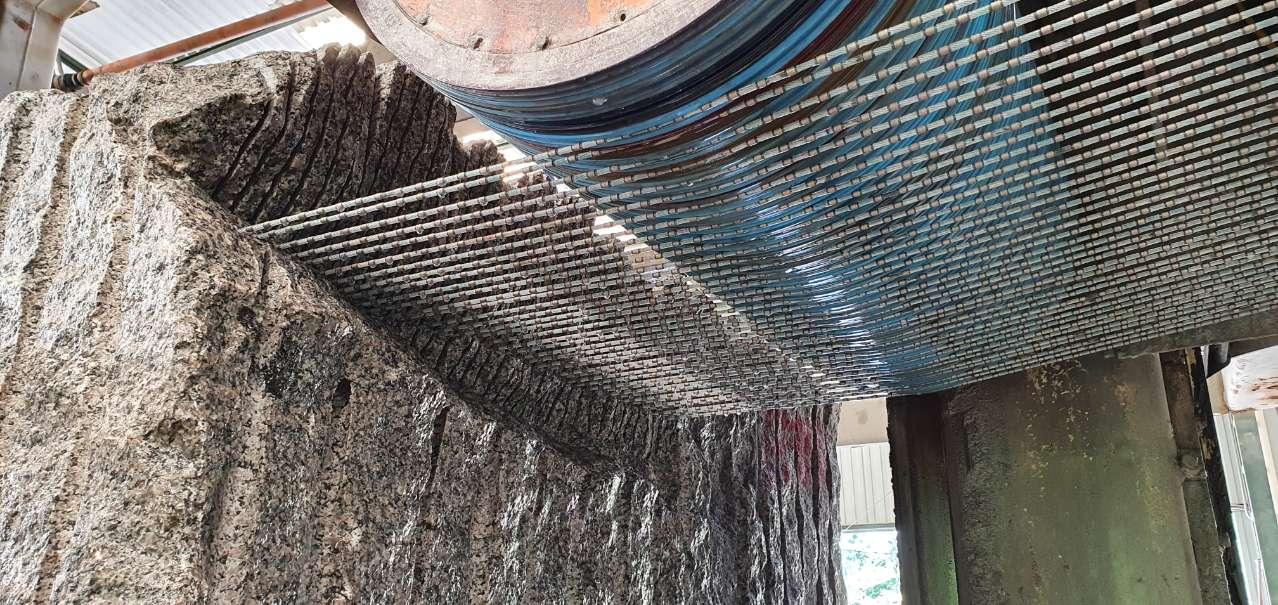
Before delving into maintenance practices, it is important to understand the components of diamond wire. A diamond wire consists of a steel wire with diamond segments attached at regular intervals. The quality of the diamonds, the bonding agent, and the configuration of the wire play critical roles in the performance of the tool. Understanding these elements can help users identify potential issues and apply the right maintenance techniques.
Regular Cleaning Procedures
One of the most crucial steps in maintaining diamond wire is regular cleaning. Dust, debris, and residue from cutting materials can accumulate on the wire during operation. This buildup can hinder performance and lead to premature wear. After each use, it is recommended to clean the wire with water or a suitable solvent to remove any contaminants. Using a soft brush can help dislodge stubborn particles without damaging the wire.
Inspection for Wear and Damage
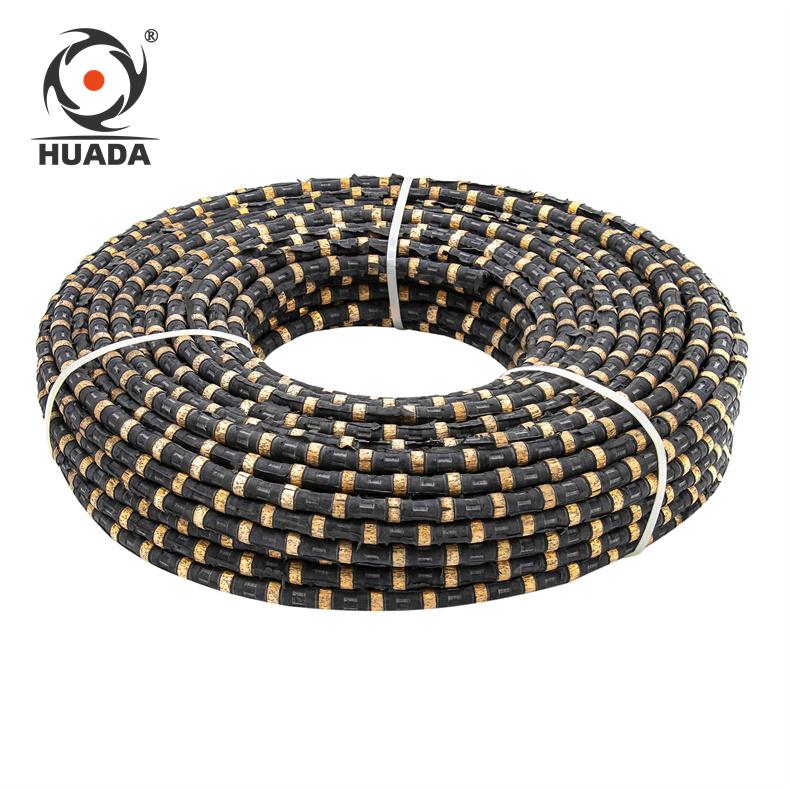
Frequent inspections are vital for identifying signs of wear and damage on the diamond wire. Users should check for frayed edges, broken diamonds, or irregular spacing between segments. Any signs of significant wear can indicate that the wire is approaching the end of its useful life. By conducting regular inspections, operators can make informed decisions about when to replace the wire, thus avoiding costly downtimes and ensuring safety during operations.
Proper Storage Techniques
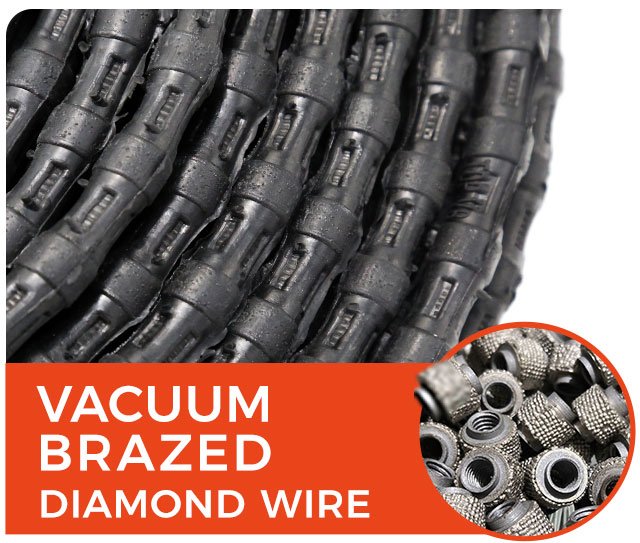
How you store your diamond wire can significantly impact its longevity. It’s essential to keep the wire in a cool, dry place away from direct sunlight and extreme temperatures. Exposure to moisture can lead to rust on the steel wire, while heat can compromise the bond between the diamonds and the wire. Additionally, storing the wire in a protective case can prevent physical damage, such as kinks or bends, which can adversely affect its performance.
Understanding Cutting Parameters
Maintaining optimal performance also involves understanding the correct cutting parameters for your specific application. Factors such as feed rate, speed, and cutting fluid can greatly influence the lifespan of diamond wire. Operators should familiarize themselves with manufacturer recommendations and adjust settings based on the material being cut. Overworking the wire by applying too much pressure or using inappropriate speeds can lead to faster wear and reduced cutting efficiency.
Monitoring Cooling Systems
The cooling system plays a vital role in maintaining diamond wire performance during cutting operations. Adequate cooling helps reduce friction and heat buildup, which can damage both the wire and the material being cut. Regularly checking and maintaining the cooling system ensures that the wire operates at optimal temperatures. If the system is not functioning properly, it may be necessary to adjust flow rates or replace cooling fluids to maintain an effective cutting environment.
Selecting the Right Diamond Wire for Your Needs
Choosing the right diamond wire for specific applications can prevent unnecessary wear and enhance performance. Different wires are designed for various materials, including concrete, granite, and marble. Understanding the characteristics of these materials and selecting a wire with appropriate diamond size and bond strength can lead to better cutting results and prolonged wire life. Consulting with manufacturers or experts can provide valuable insights into selecting the most suitable diamond wire for your projects.
Replacement Strategies
Eventually, all diamond wires will need to be replaced. Establishing a systematic approach for replacement can minimize disruptions in workflow. Keeping track of the wire’s usage and performance metrics allows operators to predict when a replacement might be necessary. It’s advisable to maintain a stock of common wire types to ensure quick replacements, thus reducing downtime during critical operations.
Summary and Conclusion
In conclusion, maintaining diamond wire for optimal performance requires a combination of regular cleaning, diligent inspections, proper storage, careful monitoring of cutting parameters, and timely replacements. By implementing these strategies, operators can extend the lifespan of their diamond wires while enhancing cutting efficiency. Ultimately, investing time and resources into proper maintenance practices will lead to improved productivity and significant cost savings in the long run.
Define the application before comparing equipment
For “How can I maintain diamond wire for optimal performance?,” write down the workpiece, bead diameter, bond, bead spacing, machine type, wire speed and cooling conditions. This separates a real project requirement from a search phrase and gives every supplier the same boundary. The proposed diamond wire can then be checked against the material, site and required result instead of being accepted by name alone.
Use evidence that can be retained
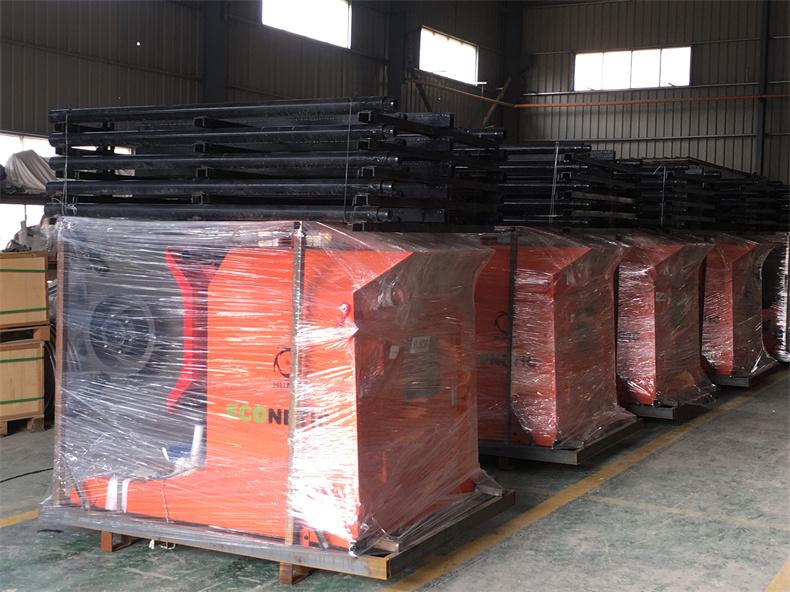
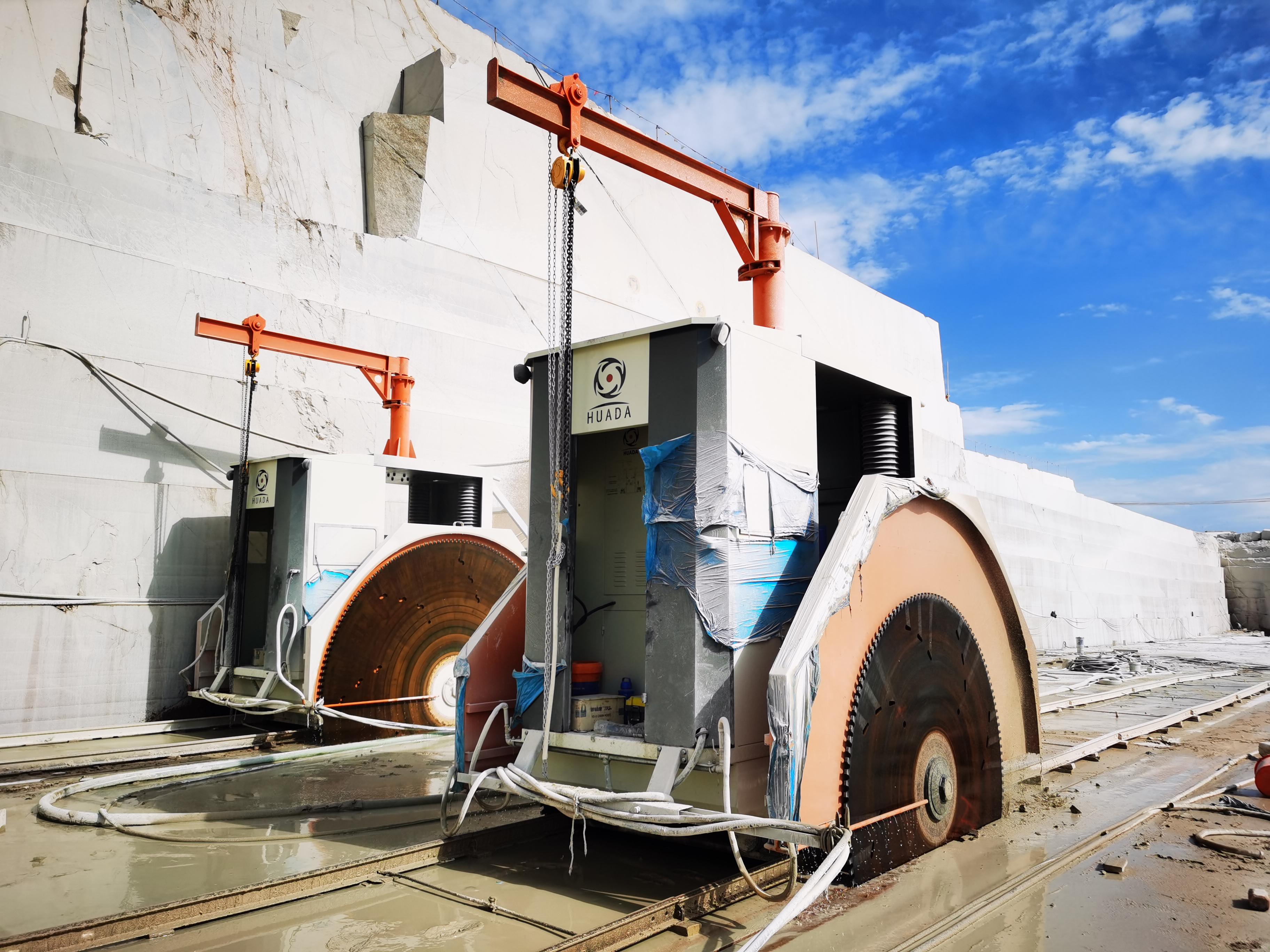
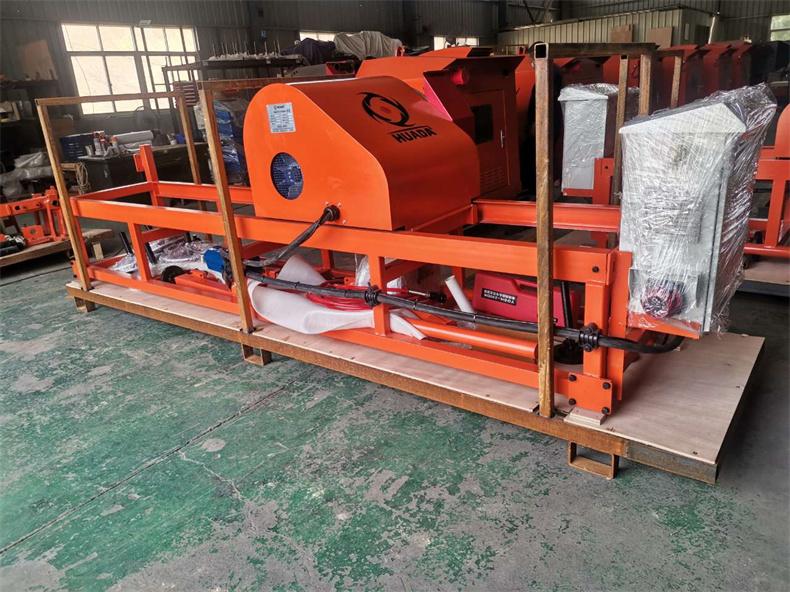
A practical review of “How can I maintain diamond wire for optimal performance?” should retain the wire specification, machine match, cutting record and measured wear under representative conditions. Photographs and brochures help identify the offered configuration, but they do not replace a test condition, measured result or signed scope. Record settings for wire direction, tension, connection quality, cooling, rotation where required and bead wear so the accepted result can be repeated.
Control the main operating risk
The recurring risk in “How can I maintain diamond wire for optimal performance?” is matching only bead diameter while ignoring bond, machine, material and operating conditions. Set a stop condition, assign who checks the machine and tool, and keep changes traceable. If the result moves outside the agreed window, investigate the material, alignment, tooling and utilities before adding load or speed.
Decision and acceptance table
| Decision point | What to define | Evidence to keep |
|---|---|---|
| Application | the workpiece, bead diameter, bond, bead spacing, machine type, wire speed and cooling conditions | Written job or product brief |
| Operating window | wire direction, tension, connection quality, cooling, rotation where required and bead wear | Recorded trial settings and observations |
| Acceptance | the wire specification, machine match, cutting record and measured wear under representative conditions | Signed sample, cut record or inspection note |
| Risk control | matching only bead diameter while ignoring bond, machine, material and operating conditions | Named corrective action and stop condition |
Buyer and operator checklist
- Material and cut or hole dimensions for How can I maintain diamond wire for optimal performance?
- Offered diamond wire configuration and included tooling
- Power, water, compressed air, access and lifting requirements
- Settings and checks covering wire direction, tension, connection quality, cooling, rotation where required and bead wear
- Factory or site acceptance method and responsible people
- Training, critical spares, manuals and service response boundary
Frequently asked questions
What should be confirmed first for How can I maintain diamond wire for optimal performance??
For How can I maintain diamond wire for optimal performance?, start with the workpiece, bead diameter, bond, bead spacing, machine type, wire speed and cooling conditions. Those inputs determine whether the proposed diamond wire and tool are relevant.
How should performance for How can I maintain diamond wire for optimal performance? be verified?
For How can I maintain diamond wire for optimal performance?, use the wire specification, machine match, cutting record and measured wear under representative conditions. Keep the material, operating conditions and acceptance criteria with the result.
Which settings matter during How can I maintain diamond wire for optimal performance??
For How can I maintain diamond wire for optimal performance?, record wire direction, tension, connection quality, cooling, rotation where required and bead wear. A result without its settings is difficult to reproduce or compare.
When should work on How can I maintain diamond wire for optimal performance? be paused?
For How can I maintain diamond wire for optimal performance?, pause when the workpiece, support, guarding, utilities or cutting condition is unsafe, or when matching only bead diameter while ignoring bond, machine, material and operating conditions is observed.