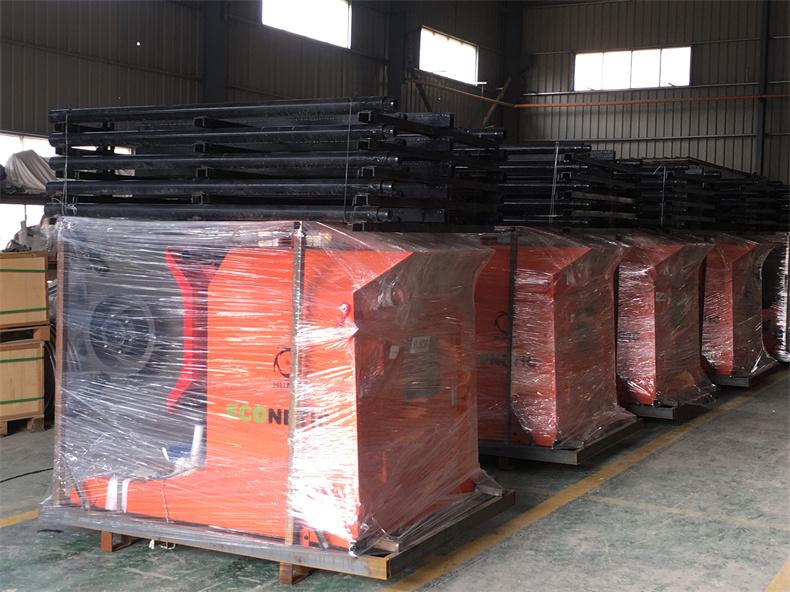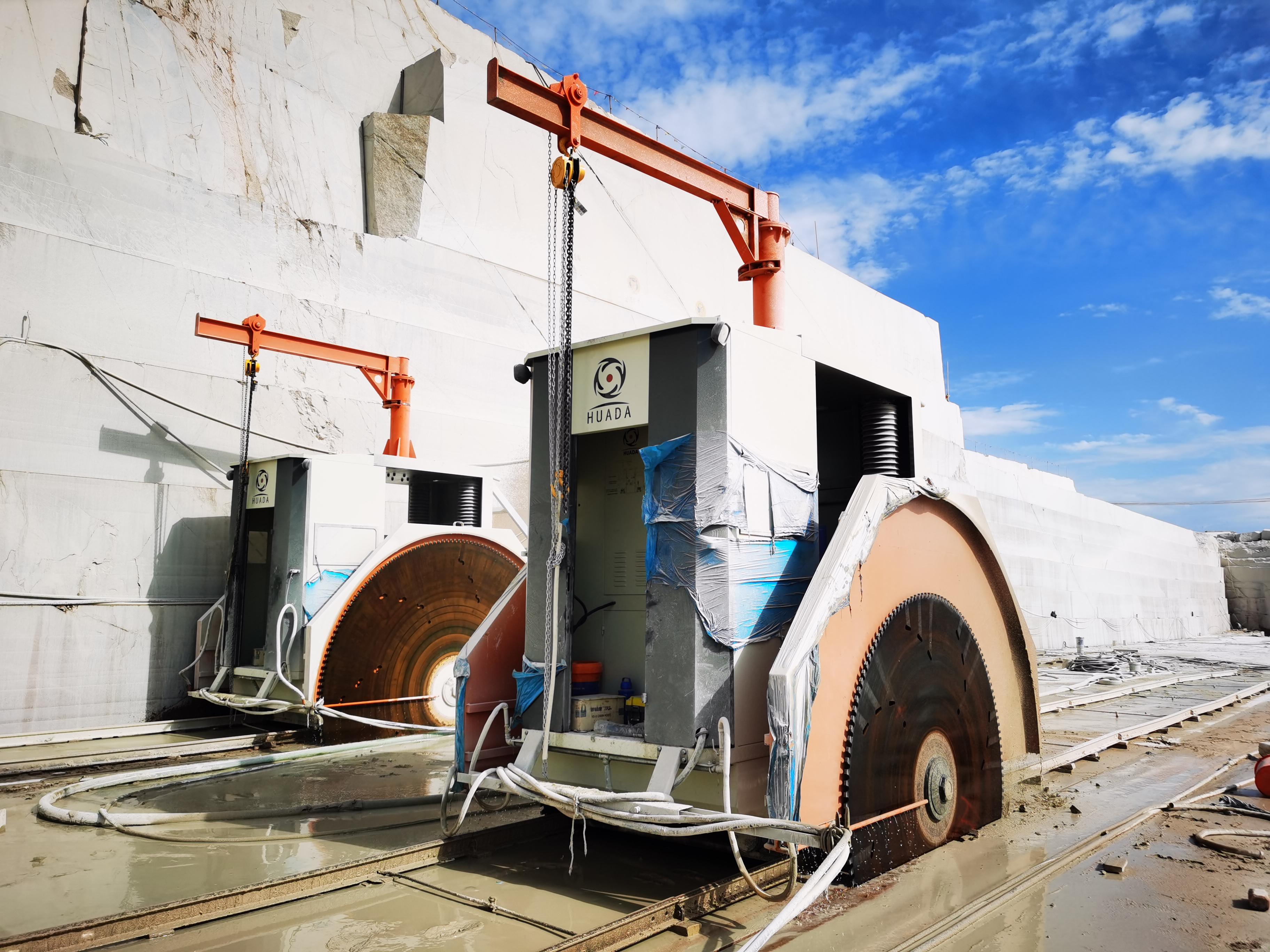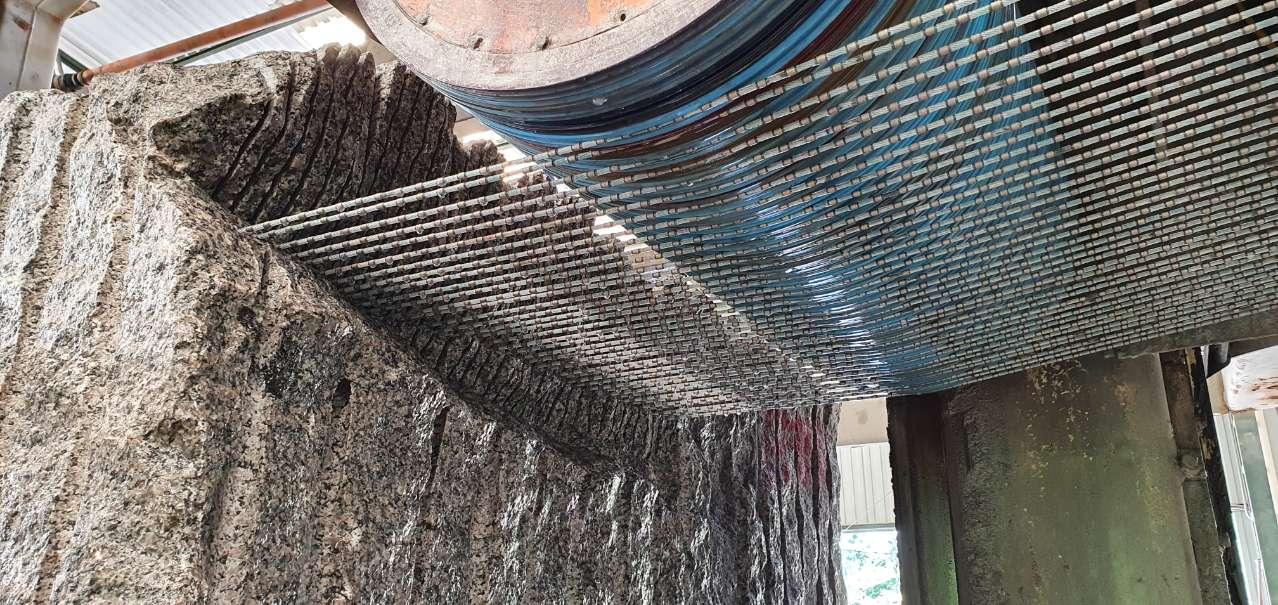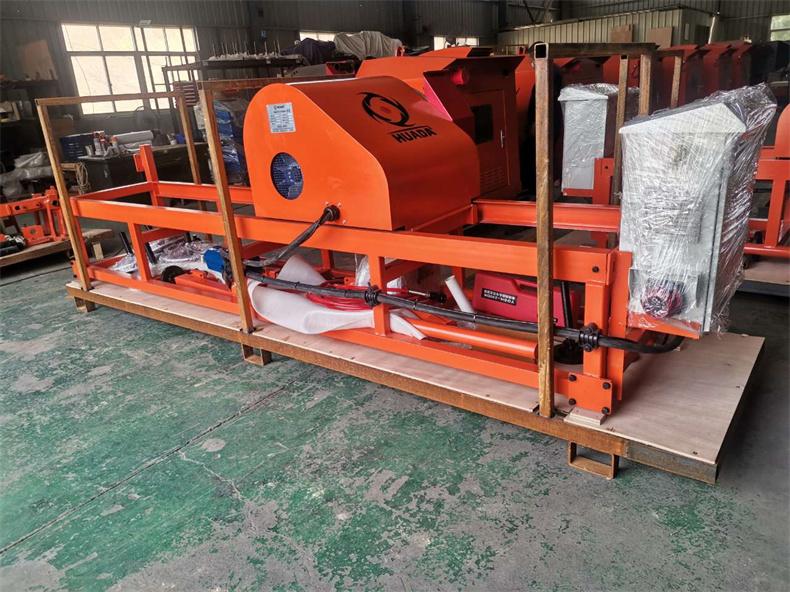

The service life discussed in “Maintenance and Care for Machine Cut Steel” is controlled by tool condition, alignment, feed, cooling, machine settings, work support and operator procedure. Trend wear and operating conditions together; replacing parts without correcting comparing one headline specification without defining the material, process and acceptance boundary usually repeats the failure.
Technical context for Maintenance and Care for Machine Cut Steel
Maintenance and Care for Machine Cut Steel in the Stone Industry
Introduction
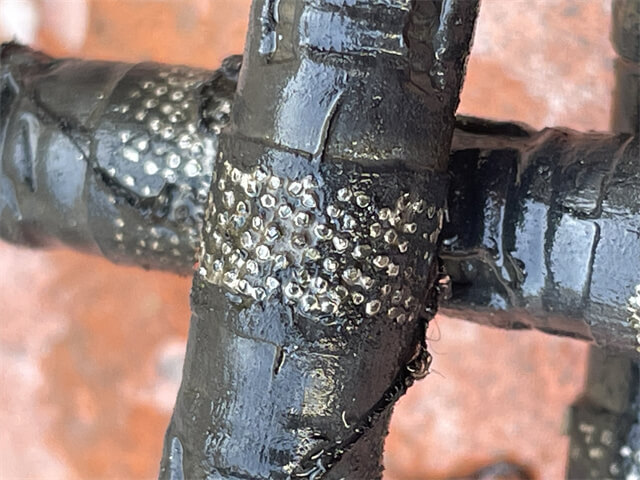
Machine cut steel has become a popular choice in the stone industry due to its durability and aesthetic appeal. As with any material, regular maintenance and proper care are essential to ensure longevity and preserve its appearance. In this article, we will discuss the importance of maintenance and provide practical tips for caring for machine cut steel in the stone industry.
Regular Cleaning
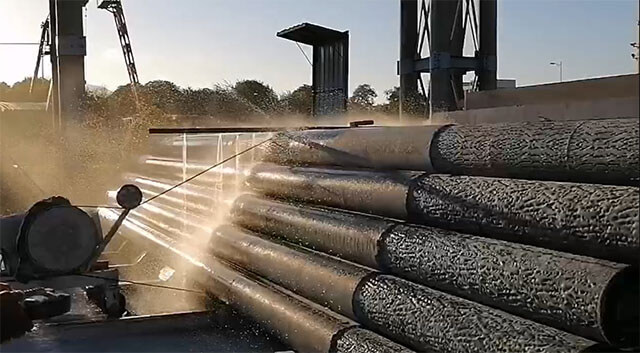
Maintaining cleanliness is crucial for keeping machine cut steel in pristine condition. Regular cleaning helps remove dirt, dust, and other debris that may accumulate on the surface. Start by using a soft cloth or sponge soaked in mild soapy water to gently wipe down the steel. Avoid using abrasive cleaners or tools that could scratch the surface. After cleaning, rinse thoroughly with clean water and dry with a soft cloth to prevent water spots.
For stubborn stains or heavy soiling, a non-abrasive stainless steel cleaner can be used. Be sure to follow the manufacturer's instructions and perform a spot test on a small, inconspicuous area before applying the cleaner to the entire surface. Rinse and dry thoroughly after cleaning.
Protection against Scratches
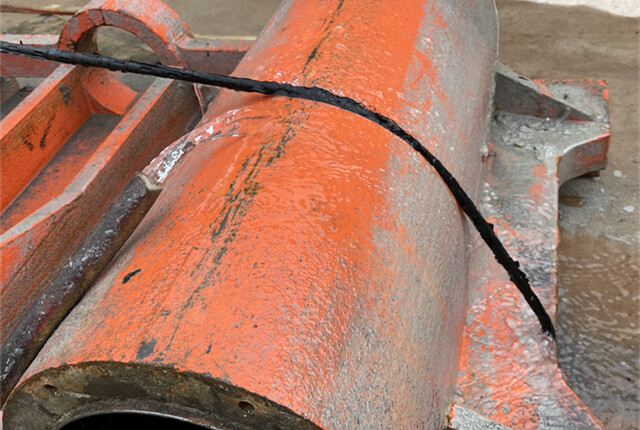
Preventing scratches is crucial for maintaining the aesthetic appeal of machine cut steel. It is recommended to use coasters, placemats, or trivets under glassware, dishes, or hot objects to avoid direct contact with the steel surface. Hitting or dragging sharp or heavy objects across the steel should also be avoided, as they can leave permanent marks.
Additionally, it is advisable to use cutting boards when preparing food to prevent knife marks on the surface. Avoid using abrasive cleaning pads or steel wool for scrubbing, as they can cause scratches. If accidental scratches do occur, gentle buffing with a polishing cloth or a fine abrasive cleaner can help minimize their appearance.
Routine Maintenance
Regular maintenance is essential to preserve the shine and luster of machine cut steel. Applying a high-quality stainless steel polish or cleaner can help restore the surface's brilliance and provide an extra layer of protection against stains and fingerprints. Follow the manufacturer's instructions when applying the polish and use a soft cloth to rub it evenly over the steel in circular motions. Wipe off any excess product and buff the surface to a shine.
It is also important to inspect the steel periodically for any signs of damage, such as chips or cracks. If any issues are detected, it is recommended to consult a professional for repair or replacement.
Conclusion
Proper maintenance and care are vital for preserving the beauty and durability of machine cut steel in the stone industry. Regular cleaning, protection against scratches, and routine maintenance can extend the lifespan of the material and ensure its continued aesthetic appeal. By following these simple guidelines, users can enjoy the benefits of machine cut steel for years to come.
Use evidence that can be retained
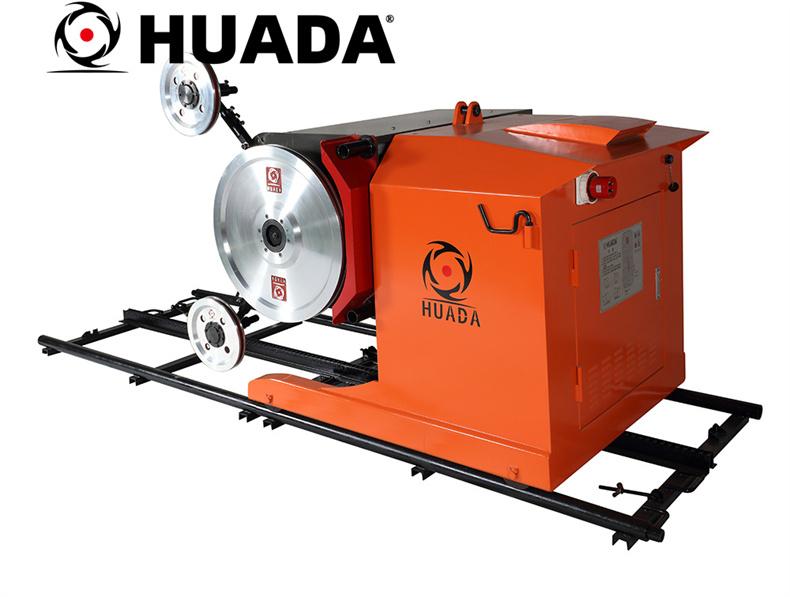
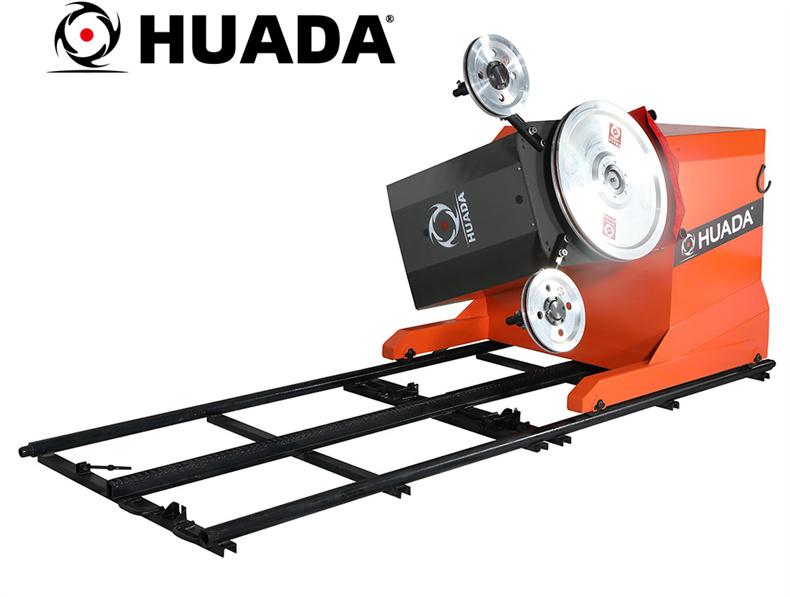
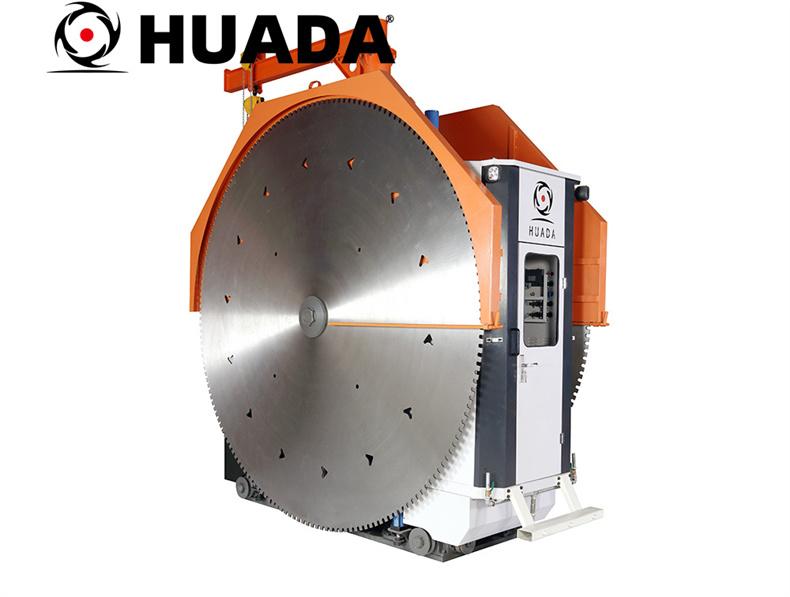
A practical review of “Maintenance and Care for Machine Cut Steel” should retain a representative test, machine configuration, measured result and written acceptance checklist. Photographs and brochures help identify the offered configuration, but they do not replace a test condition, measured result or signed scope. Record settings for tool condition, alignment, feed, cooling, machine settings, work support and operator procedure so the accepted result can be repeated.
Control the main operating risk
The recurring risk in “Maintenance and Care for Machine Cut Steel” is comparing one headline specification without defining the material, process and acceptance boundary. Set a stop condition, assign who checks the machine and tool, and keep changes traceable. If the result moves outside the agreed window, investigate the material, alignment, tooling and utilities before adding load or speed.
Define the application before comparing equipment
For “Maintenance and Care for Machine Cut Steel,” write down material, dimensions, access, target output, utilities, tooling, safety controls and service scope. This separates a real project requirement from a search phrase and gives every supplier the same boundary. The proposed stone cutting equipment can then be checked against the material, site and required result instead of being accepted by name alone.
Decision and acceptance table
| Decision point | What to define | Evidence to keep |
|---|---|---|
| Application | material, dimensions, access, target output, utilities, tooling, safety controls and service scope | Written job or product brief |
| Operating window | tool condition, alignment, feed, cooling, machine settings, work support and operator procedure | Recorded trial settings and observations |
| Acceptance | a representative test, machine configuration, measured result and written acceptance checklist | Signed sample, cut record or inspection note |
| Risk control | comparing one headline specification without defining the material, process and acceptance boundary | Named corrective action and stop condition |
Buyer and operator checklist
- Material and cut or hole dimensions for Maintenance and Care for Machine Cut Steel
- Offered stone cutting equipment configuration and included tooling
- Power, water, compressed air, access and lifting requirements
- Settings and checks covering tool condition, alignment, feed, cooling, machine settings, work support and operator procedure
- Factory or site acceptance method and responsible people
- Training, critical spares, manuals and service response boundary
Frequently asked questions
What should be confirmed first for Maintenance and Care for Machine Cut Steel?
For Maintenance and Care for Machine Cut Steel, start with material, dimensions, access, target output, utilities, tooling, safety controls and service scope. Those inputs determine whether the proposed stone cutting equipment and tool are relevant.
How should performance for Maintenance and Care for Machine Cut Steel be verified?
For Maintenance and Care for Machine Cut Steel, use a representative test, machine configuration, measured result and written acceptance checklist. Keep the material, operating conditions and acceptance criteria with the result.
Which settings matter during Maintenance and Care for Machine Cut Steel?
For Maintenance and Care for Machine Cut Steel, record tool condition, alignment, feed, cooling, machine settings, work support and operator procedure. A result without its settings is difficult to reproduce or compare.
When should work on Maintenance and Care for Machine Cut Steel be paused?
For Maintenance and Care for Machine Cut Steel, pause when the workpiece, support, guarding, utilities or cutting condition is unsafe, or when comparing one headline specification without defining the material, process and acceptance boundary is observed.