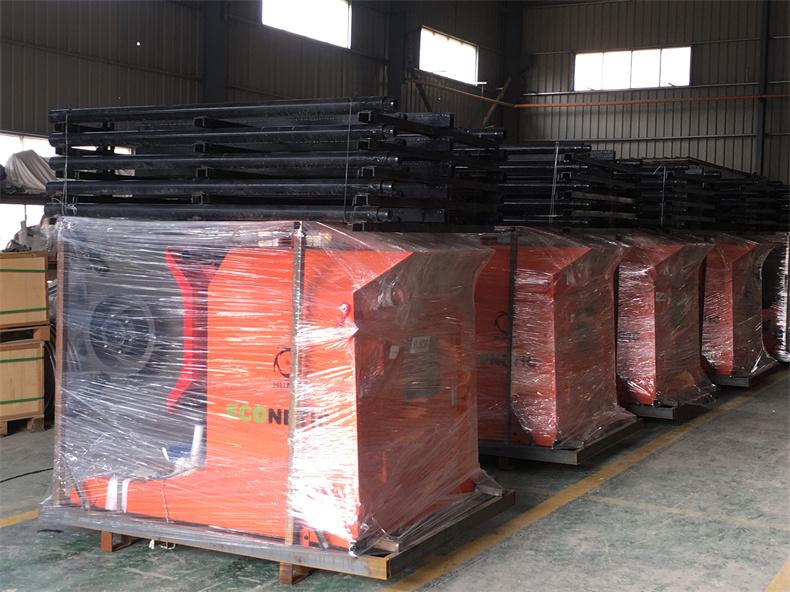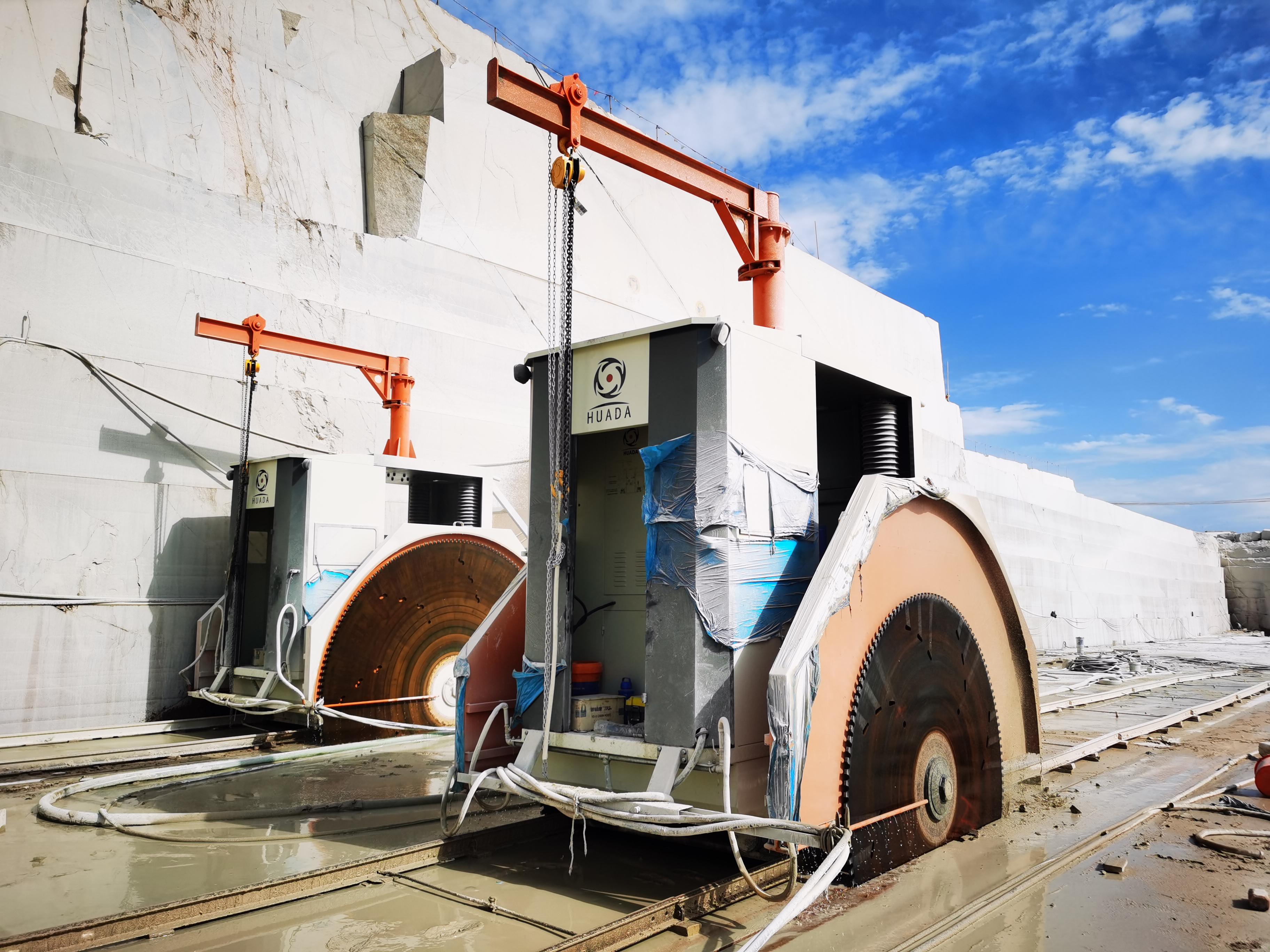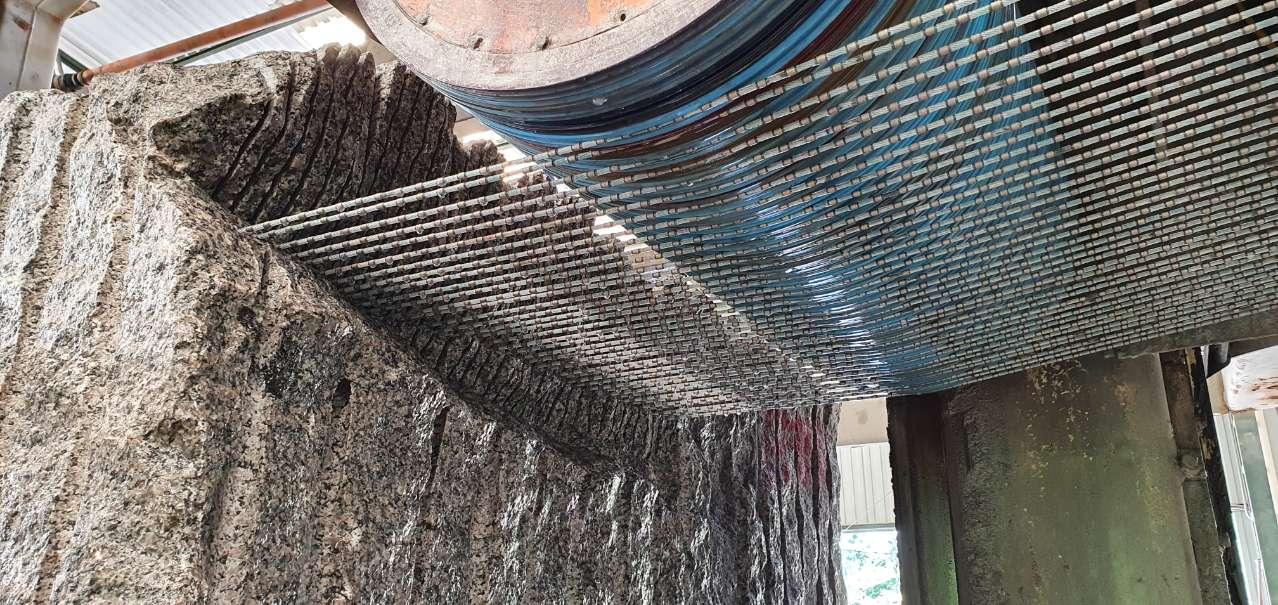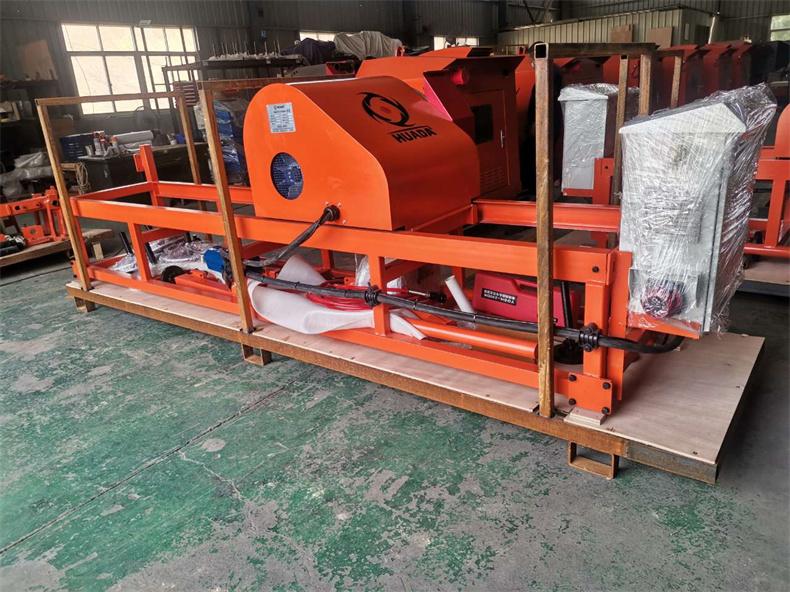

Use “Guide on Using Concrete Demolition Diamond Wire” as a decision brief for a reinforced concrete cutting equipment: define member dimensions, reinforcement, access, cut sequence, lifting plan, utilities and slurry control, verify tool speed, feed, cooling, anchoring, exclusion zones and the sequence used to release each section and retain a survey, engineered cutting plan, equipment schedule, lifting method and site acceptance record before approval.
Technical context for Guide on Using Concrete Demolition Diamond Wire
In the stone industry, the use of concrete demolition diamond wire has become increasingly popular for its efficiency and precision in cutting through tough materials. This guide aims to provide comprehensive information on how to effectively use this tool, ensuring optimal results and safety.
1. Understanding the Concrete Demolition Diamond Wire

The concrete demolition diamond wire is a specialized cutting tool consisting of high-strength steel cable embedded with industrial diamonds. These diamonds act as cutting teeth, allowing the wire to slice through dense concrete with ease. Before using this wire, it is essential to understand its components and how they contribute to its effectiveness.
2. Preparing for Concrete Demolition
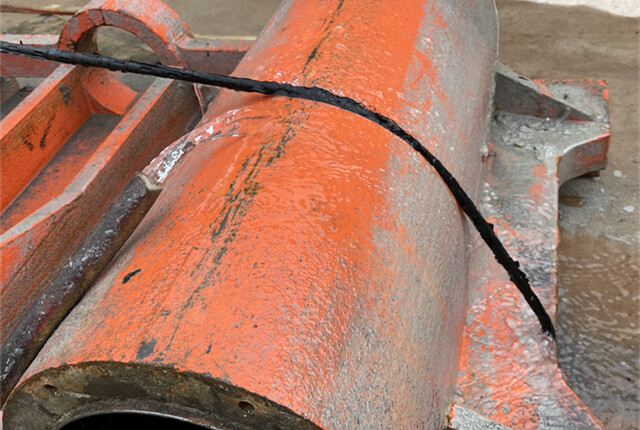
Prior to using the concrete demolition diamond wire, thorough preparation is necessary to ensure safety and efficient cutting. There are several key steps to consider:
a. Assess the project: Evaluate the nature of the concrete structure and its surroundings. Identify any potential hazards or obstacles that may impact the wire's performance.
b. Select the appropriate wire: Various factors, such as the composition and thickness of the concrete, will determine the type and size of the diamond wire needed. Consult with experts or manufacturers to choose the most suitable option for your specific application.
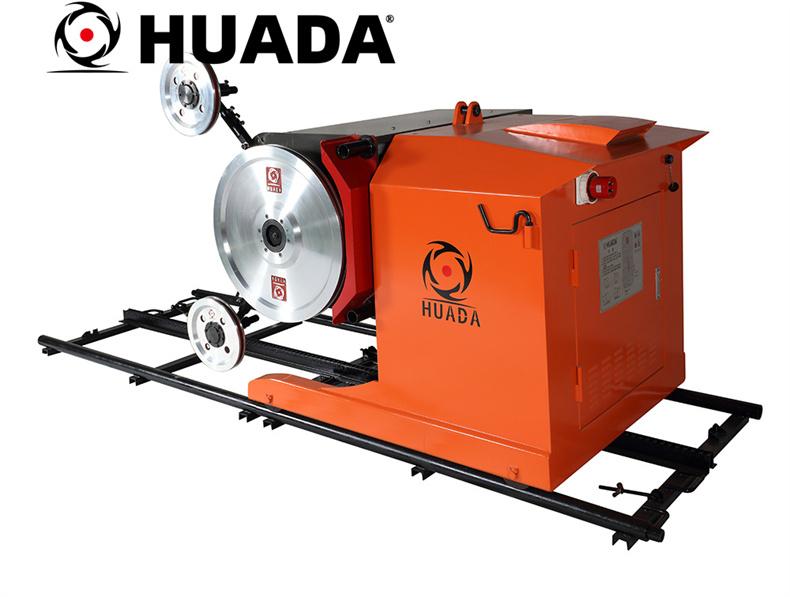
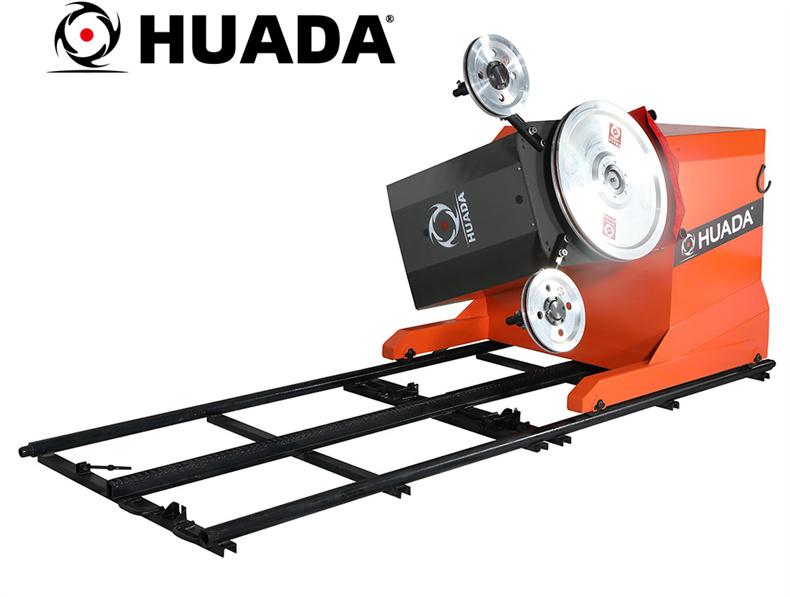
c. Ensure proper equipment: Alongside the diamond wire, other equipment like a high-quality wire saw machine, power supply, and necessary safety gear should be available and in good working condition.
3. Best Practices for Using Concrete Demolition Diamond Wire
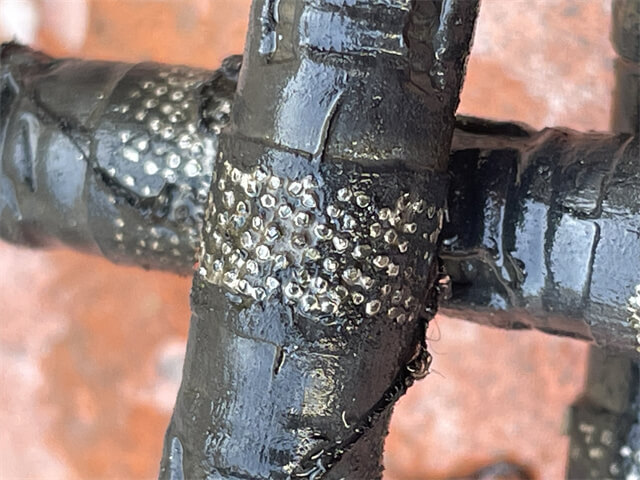
To achieve the best results when using the concrete demolition diamond wire, it is important to follow these guidelines:
a. Set up a safe work area: Clear the demolition area of any debris or potential hazards. Establish barriers to keep unauthorized personnel away from the work zone.
b. Attach the diamond wire: Securely fasten the diamond wire to the wire saw machine, ensuring proper tension and alignment. Follow the manufacturer's instructions for attaching and adjusting the wire.
c. Control the cutting process: Begin cutting at a low speed and gradually increase as the wire penetrates the concrete. Maintain a steady feed rate and monitor the wire's performance throughout the process.
d. Cooling and lubrication: Use an appropriate lubricant or coolant to prevent overheating and premature wear of the diamond wire. Apply the lubricant regularly to ensure smooth cutting and extend the wire's lifespan.
In conclusion, the concrete demolition diamond wire is a valuable tool in the stone industry, offering precise and efficient cutting capabilities. By understanding its components, preparing adequately, and following best practices during operation, users can optimize their results while maintaining a safe working environment.
Define the application before comparing equipment
For “Guide on Using Concrete Demolition Diamond Wire,” write down member dimensions, reinforcement, access, cut sequence, lifting plan, utilities and slurry control. This separates a real project requirement from a search phrase and gives every supplier the same boundary. The proposed reinforced concrete cutting equipment can then be checked against the material, site and required result instead of being accepted by name alone.
Use evidence that can be retained
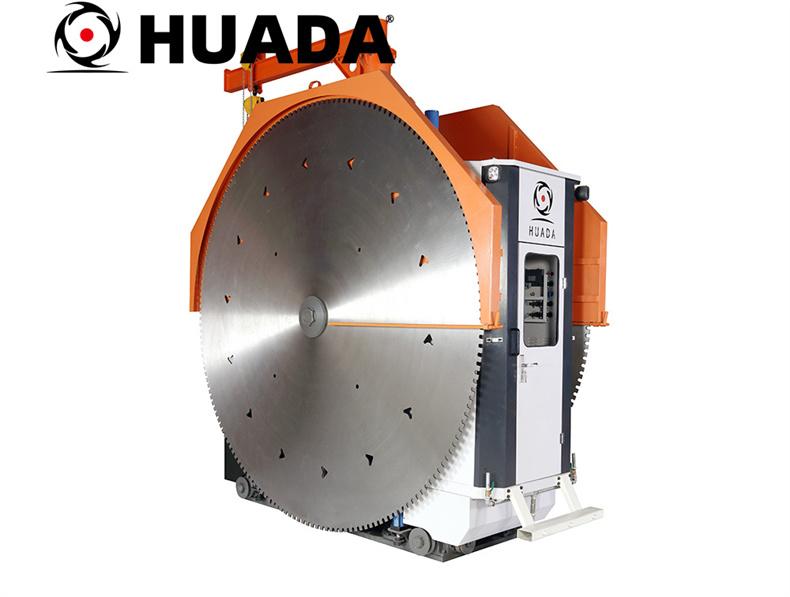
A practical review of “Guide on Using Concrete Demolition Diamond Wire” should retain a survey, engineered cutting plan, equipment schedule, lifting method and site acceptance record. Photographs and brochures help identify the offered configuration, but they do not replace a test condition, measured result or signed scope. Record settings for tool speed, feed, cooling, anchoring, exclusion zones and the sequence used to release each section so the accepted result can be repeated.
Control the main operating risk
The recurring risk in “Guide on Using Concrete Demolition Diamond Wire” is starting the cut before services, reinforcement, support, lifting and released-section weight are confirmed. Set a stop condition, assign who checks the machine and tool, and keep changes traceable. If the result moves outside the agreed window, investigate the material, alignment, tooling and utilities before adding load or speed.
Decision and acceptance table
| Decision point | What to define | Evidence to keep |
|---|---|---|
| Application | member dimensions, reinforcement, access, cut sequence, lifting plan, utilities and slurry control | Written job or product brief |
| Operating window | tool speed, feed, cooling, anchoring, exclusion zones and the sequence used to release each section | Recorded trial settings and observations |
| Acceptance | a survey, engineered cutting plan, equipment schedule, lifting method and site acceptance record | Signed sample, cut record or inspection note |
| Risk control | starting the cut before services, reinforcement, support, lifting and released-section weight are confirmed | Named corrective action and stop condition |
Buyer and operator checklist
- Material and cut or hole dimensions for Guide on Using Concrete Demolition Diamond Wire
- Offered reinforced concrete cutting equipment configuration and included tooling
- Power, water, compressed air, access and lifting requirements
- Settings and checks covering tool speed, feed, cooling, anchoring, exclusion zones and the sequence used to release each section
- Factory or site acceptance method and responsible people
- Training, critical spares, manuals and service response boundary
Frequently asked questions
What should be confirmed first for Guide on Using Concrete Demolition Diamond Wire?
For Guide on Using Concrete Demolition Diamond Wire, start with member dimensions, reinforcement, access, cut sequence, lifting plan, utilities and slurry control. Those inputs determine whether the proposed reinforced concrete cutting equipment and tool are relevant.
How should performance for Guide on Using Concrete Demolition Diamond Wire be verified?
For Guide on Using Concrete Demolition Diamond Wire, use a survey, engineered cutting plan, equipment schedule, lifting method and site acceptance record. Keep the material, operating conditions and acceptance criteria with the result.
Which settings matter during Guide on Using Concrete Demolition Diamond Wire?
For Guide on Using Concrete Demolition Diamond Wire, record tool speed, feed, cooling, anchoring, exclusion zones and the sequence used to release each section. A result without its settings is difficult to reproduce or compare.
When should work on Guide on Using Concrete Demolition Diamond Wire be paused?
For Guide on Using Concrete Demolition Diamond Wire, pause when the workpiece, support, guarding, utilities or cutting condition is unsafe, or when starting the cut before services, reinforcement, support, lifting and released-section weight are confirmed is observed.