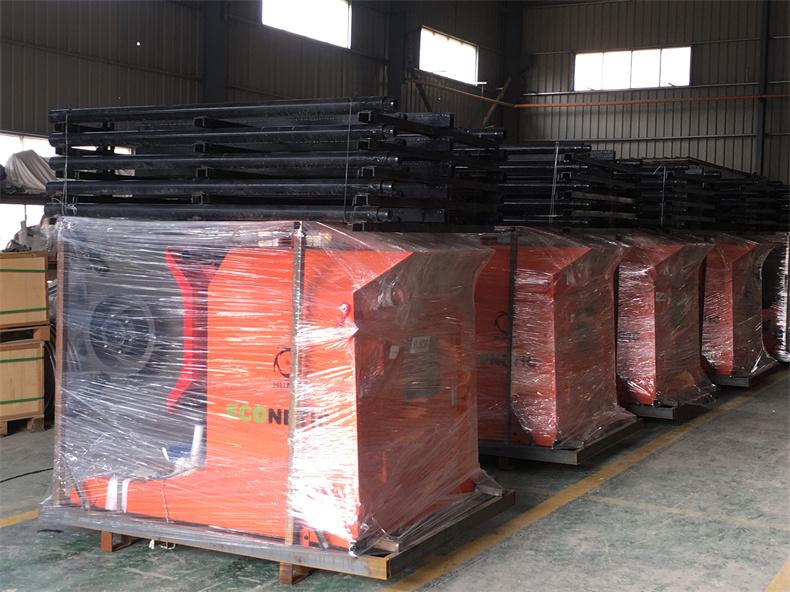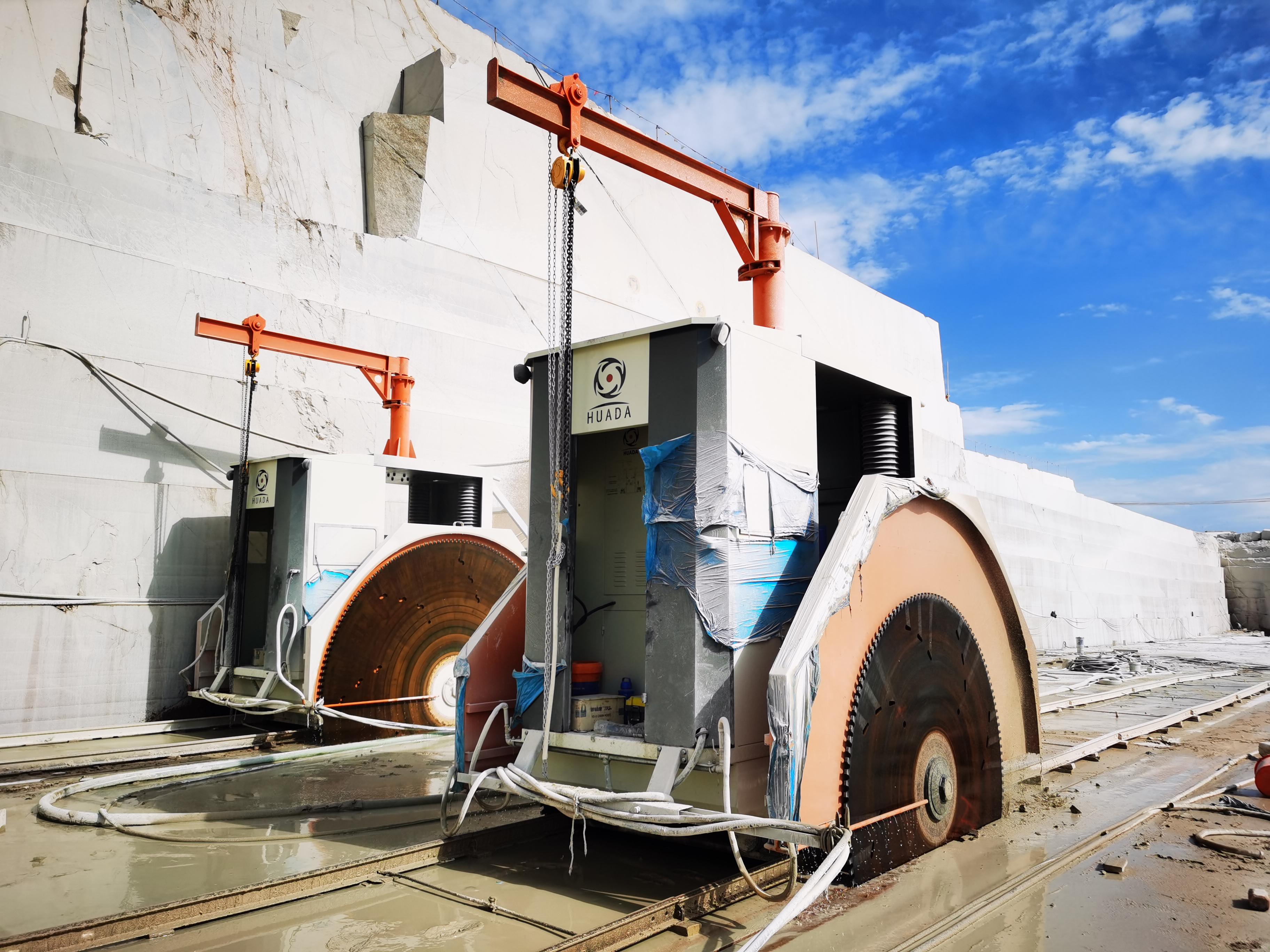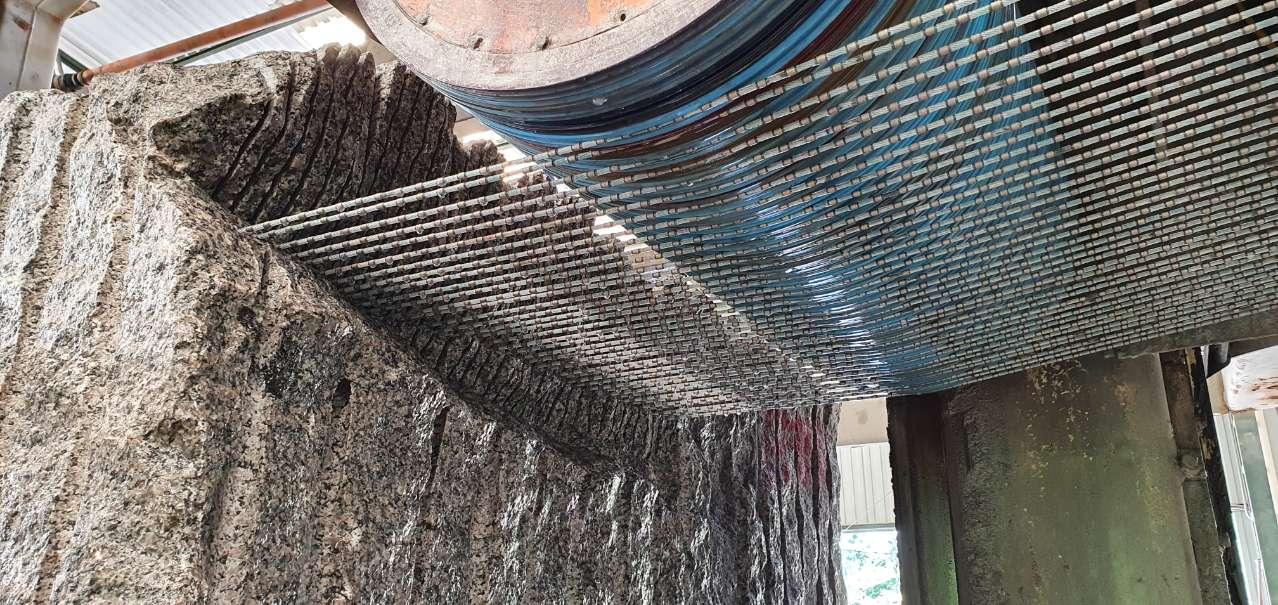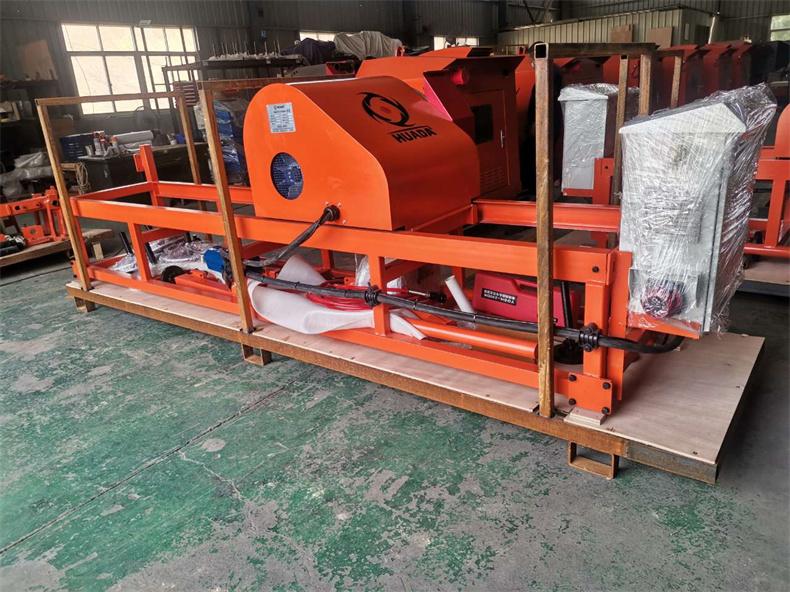

Use “Diverse Uses of Steel Wire Saw in Various Industries” as a decision brief for a wire saw machine: define the material, cut size, access, pulley layout, drive power, wire specification and required finish, verify wire speed, feed rate, tension, cooling-water delivery, guide-wheel alignment and cut clearance and retain a representative cut record, wire-consumption notes, surface condition and a configuration drawing before approval.
Technical context for Diverse Uses of Steel Wire Saw in Various Industries
Steel wire saw is a versatile cutting tool that finds diverse applications in various industries. Its flexibility, precision, and efficiency make it an invaluable asset for professionals working with stone materials. Whether it is in construction, mining, or manufacturing, the steel wire saw has proven to be an essential tool for cutting through hard materials. In this article, we will explore the different uses of steel wire saw in various industries and how it has revolutionized the way we work with stone.
1. Construction Industry
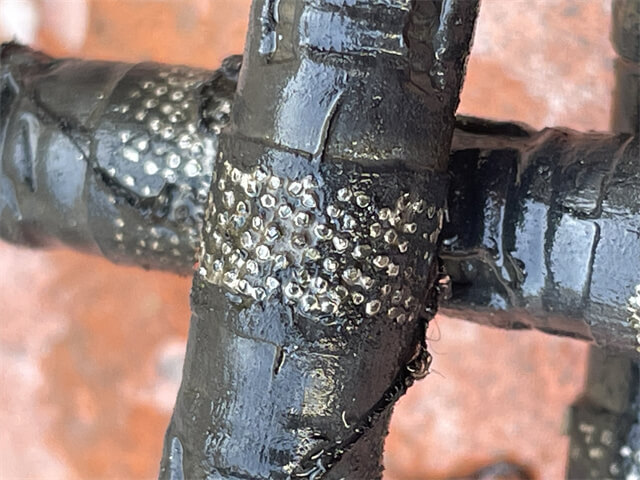
The construction industry relies heavily on stone materials for building foundations, walls, and structures. Steel wire saws have become indispensable in construction sites for cutting large blocks of stone into smaller, more manageable pieces. They are used for precise shaping and cutting of stones for architectural purposes. Additionally, steel wire saws are employed in the demolition process, where they efficiently cut through reinforced concrete and remove unwanted structures.
2. Mining Industry
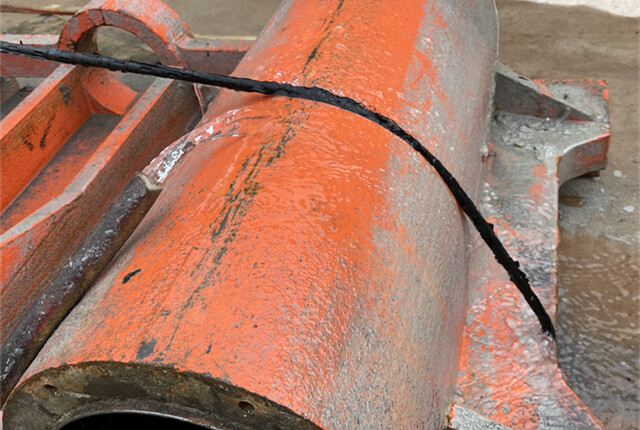
In the mining industry, steel wire saws play a crucial role in extracting natural stone resources. They are used to cut through large stone blocks in quarries and mines, facilitating the extraction of valuable materials. Steel wire saws offer a precise and efficient way to extract stones without causing unnecessary damage or wastage. Their ability to cut through hard materials such as granite and marble makes them ideal for mining operations.
3. Manufacturing Industry
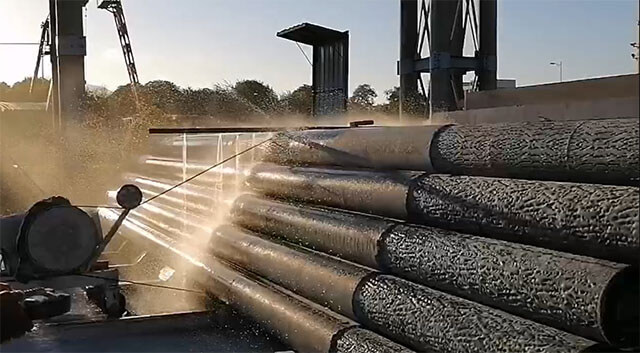
The manufacturing industry utilizes steel wire saws for various purposes. In the production of countertops, tiles, and slabs, steel wire saws are used to cut stone blocks into specific dimensions. They ensure precise cuts, smooth edges, and minimal material loss, resulting in high-quality finished products. Moreover, steel wire saws are used in the fabrication of sculptures and monuments, allowing artists and craftsmen to shape stone with exceptional precision.
In conclusion, the steel wire saw has become an indispensable tool in various industries. Its ability to cut through hard materials with precision and efficiency has revolutionized the way professionals work with stone. From construction to mining and manufacturing, the diverse uses of steel wire saws have greatly improved productivity and quality in these industries. As technology advances, we can expect further advancements in the design and capabilities of steel wire saws, making them even more invaluable for professionals in the stone industry.
Use evidence that can be retained
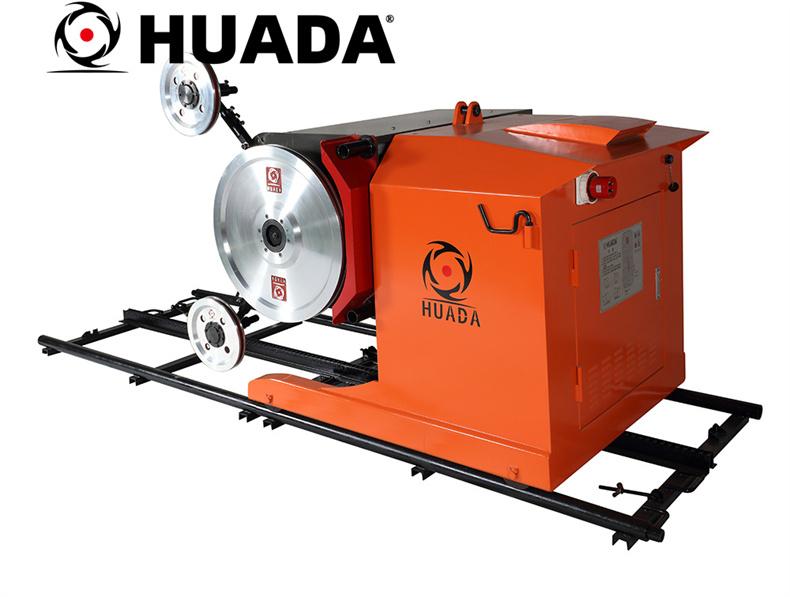
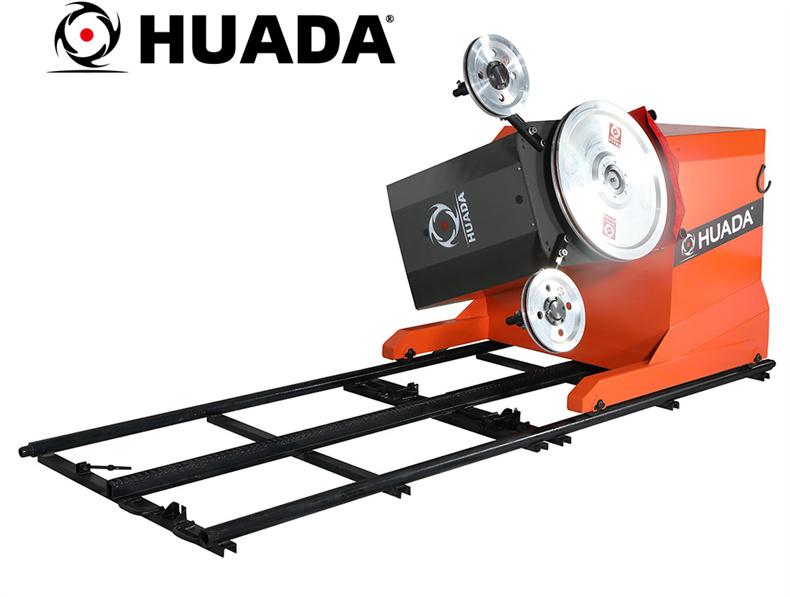
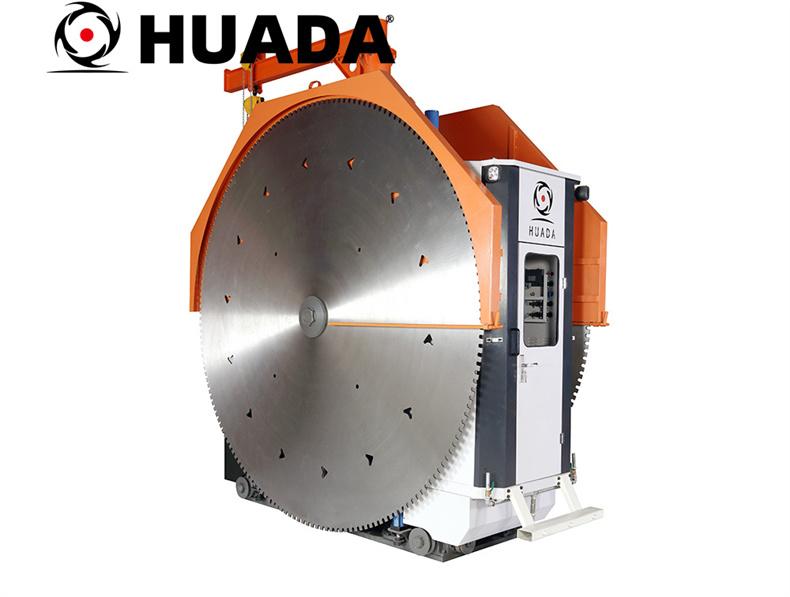
A practical review of “Diverse Uses of Steel Wire Saw in Various Industries” should retain a representative cut record, wire-consumption notes, surface condition and a configuration drawing. Photographs and brochures help identify the offered configuration, but they do not replace a test condition, measured result or signed scope. Record settings for wire speed, feed rate, tension, cooling-water delivery, guide-wheel alignment and cut clearance so the accepted result can be repeated.
Control the main operating risk
The recurring risk in “Diverse Uses of Steel Wire Saw in Various Industries” is poor pulley alignment, inadequate cooling, unsuitable wire or an unstable feed setting. Set a stop condition, assign who checks the machine and tool, and keep changes traceable. If the result moves outside the agreed window, investigate the material, alignment, tooling and utilities before adding load or speed.
Define the application before comparing equipment
For “Diverse Uses of Steel Wire Saw in Various Industries,” write down the material, cut size, access, pulley layout, drive power, wire specification and required finish. This separates a real project requirement from a search phrase and gives every supplier the same boundary. The proposed wire saw machine can then be checked against the material, site and required result instead of being accepted by name alone.
Decision and acceptance table
| Decision point | What to define | Evidence to keep |
|---|---|---|
| Application | the material, cut size, access, pulley layout, drive power, wire specification and required finish | Written job or product brief |
| Operating window | wire speed, feed rate, tension, cooling-water delivery, guide-wheel alignment and cut clearance | Recorded trial settings and observations |
| Acceptance | a representative cut record, wire-consumption notes, surface condition and a configuration drawing | Signed sample, cut record or inspection note |
| Risk control | poor pulley alignment, inadequate cooling, unsuitable wire or an unstable feed setting | Named corrective action and stop condition |
Buyer and operator checklist
- Material and cut or hole dimensions for Diverse Uses of Steel Wire Saw in Various Industries
- Offered wire saw machine configuration and included tooling
- Power, water, compressed air, access and lifting requirements
- Settings and checks covering wire speed, feed rate, tension, cooling-water delivery, guide-wheel alignment and cut clearance
- Factory or site acceptance method and responsible people
- Training, critical spares, manuals and service response boundary
Frequently asked questions
What should be confirmed first for Diverse Uses of Steel Wire Saw in Various Industries?
For Diverse Uses of Steel Wire Saw in Various Industries, start with the material, cut size, access, pulley layout, drive power, wire specification and required finish. Those inputs determine whether the proposed wire saw machine and tool are relevant.
How should performance for Diverse Uses of Steel Wire Saw in Various Industries be verified?
For Diverse Uses of Steel Wire Saw in Various Industries, use a representative cut record, wire-consumption notes, surface condition and a configuration drawing. Keep the material, operating conditions and acceptance criteria with the result.
Which settings matter during Diverse Uses of Steel Wire Saw in Various Industries?
For Diverse Uses of Steel Wire Saw in Various Industries, record wire speed, feed rate, tension, cooling-water delivery, guide-wheel alignment and cut clearance. A result without its settings is difficult to reproduce or compare.
When should work on Diverse Uses of Steel Wire Saw in Various Industries be paused?
For Diverse Uses of Steel Wire Saw in Various Industries, pause when the workpiece, support, guarding, utilities or cutting condition is unsafe, or when poor pulley alignment, inadequate cooling, unsuitable wire or an unstable feed setting is observed.