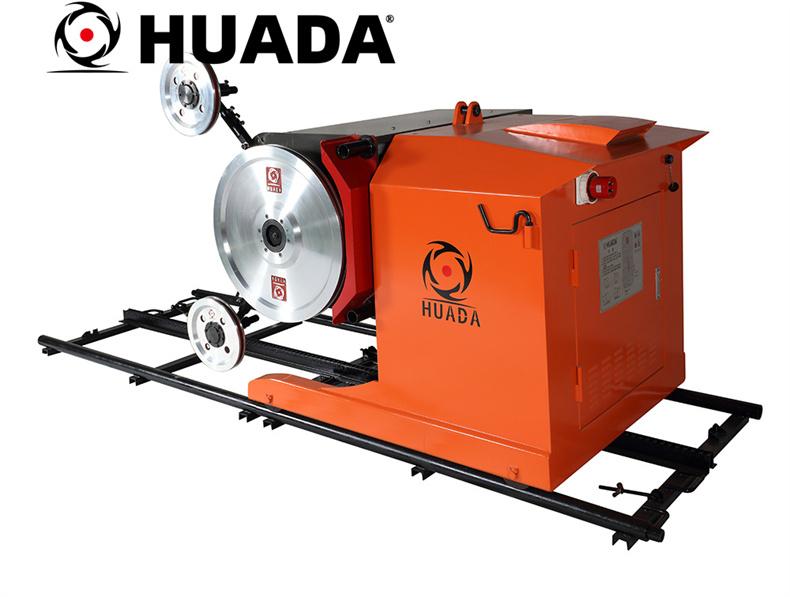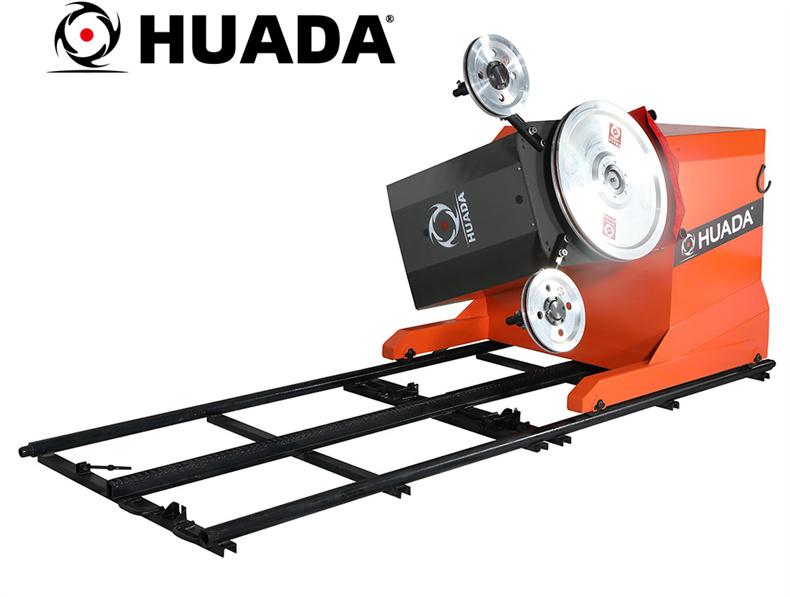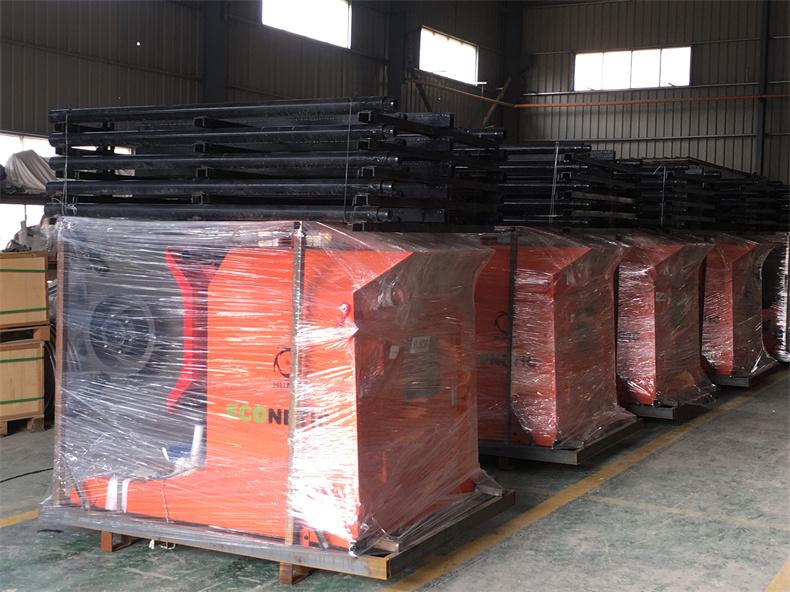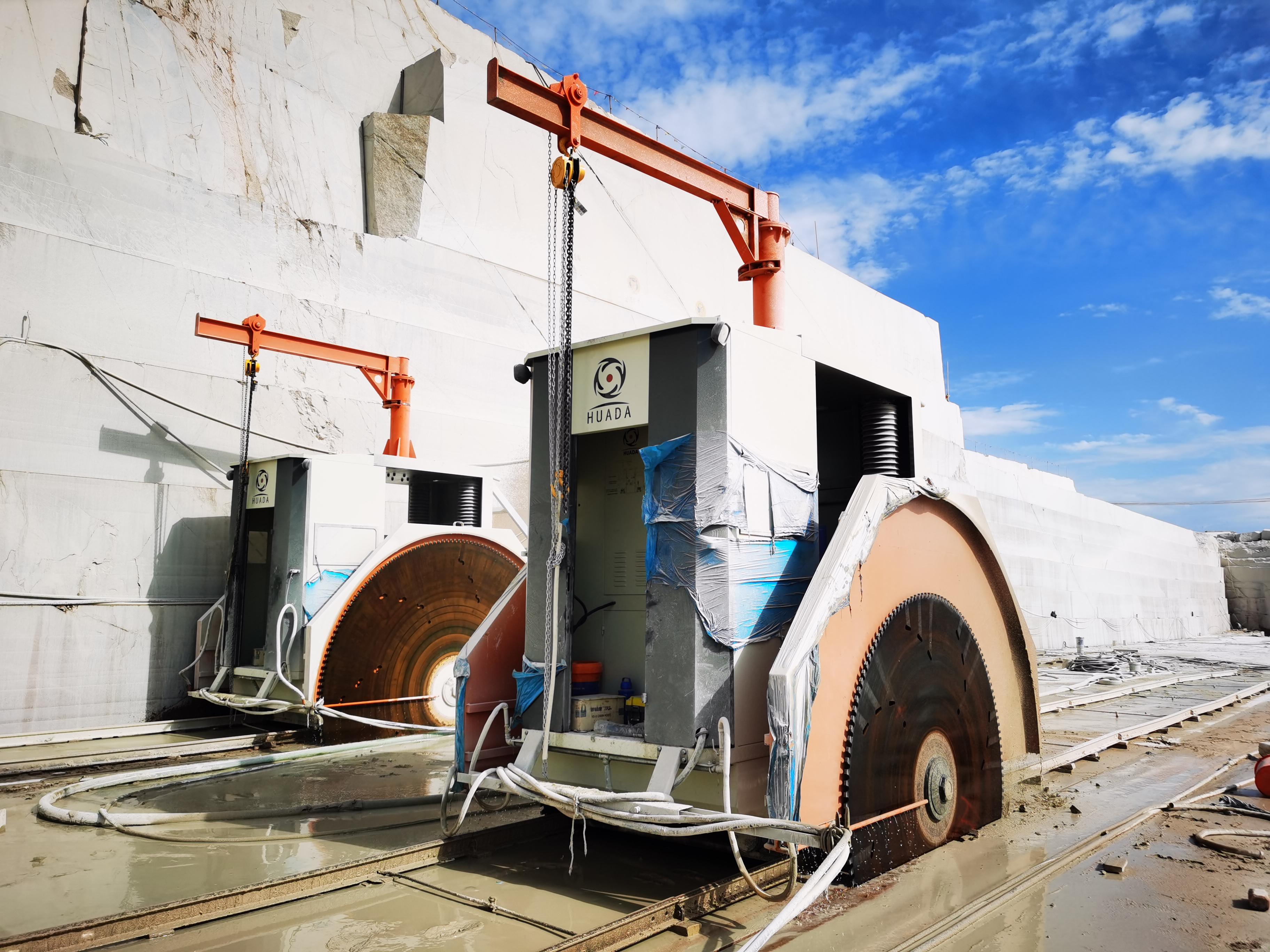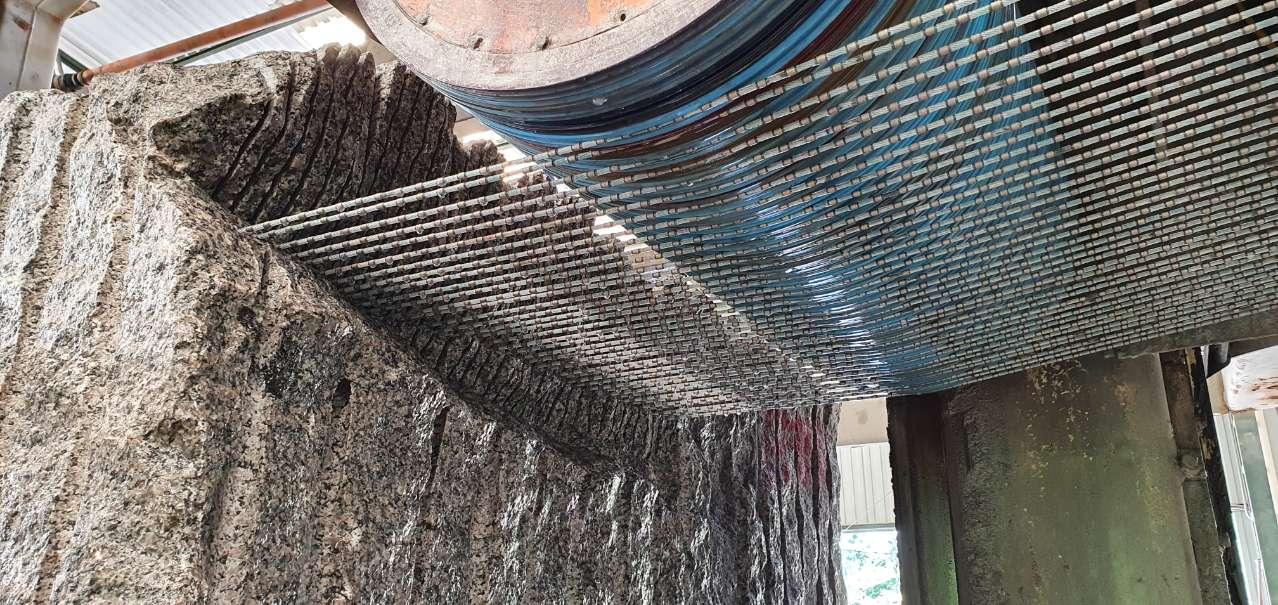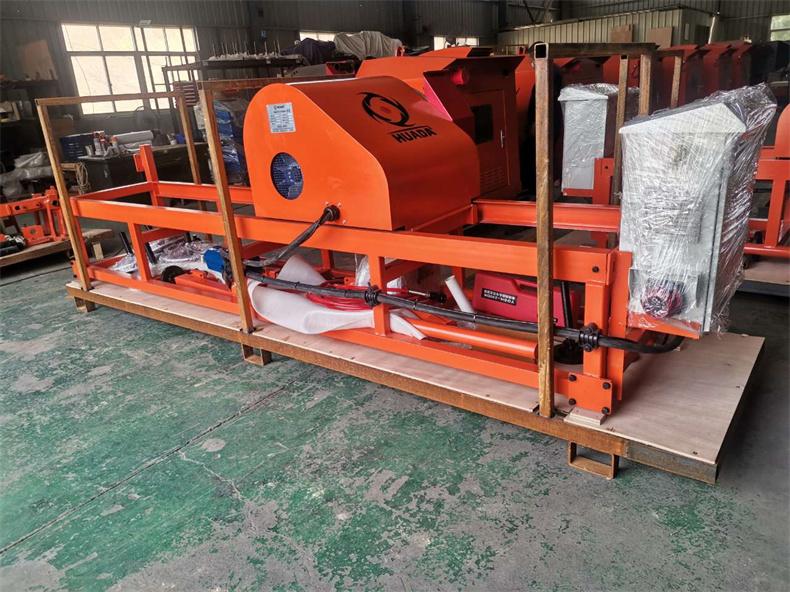

Use “A Step-by-Step Guide to Using a Wire Metal Saw” as a decision brief for a wire saw machine: define the material, cut size, access, pulley layout, drive power, wire specification and required finish, verify wire speed, feed rate, tension, cooling-water delivery, guide-wheel alignment and cut clearance and retain a representative cut record, wire-consumption notes, surface condition and a configuration drawing before approval.
Technical context for A Step-by-Step Guide to Using a Wire Metal Saw
The stone industry is a diverse and ever-evolving sector that plays a vital role in construction and design. One essential tool used in this industry is the wire metal saw, which is specifically designed for cutting through various types of stone. In this guide, we will provide a step-by-step walkthrough on how to effectively and safely use a wire metal saw. Whether you are a professional stone cutter or a DIY enthusiast, this guide will help you master the art of using this powerful tool.
Step 1: Ensure Safety Measures
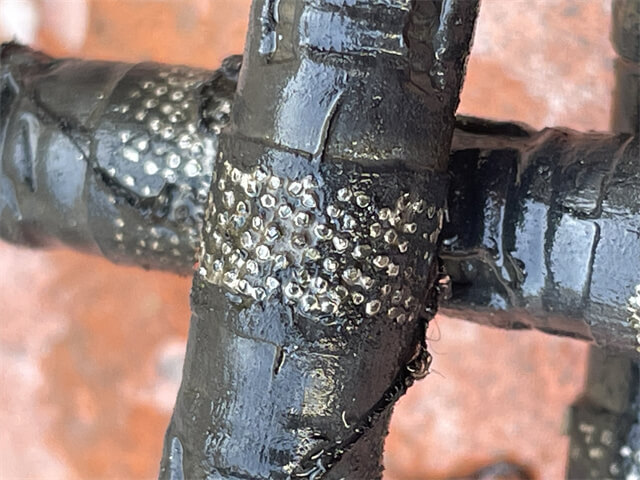
Prior to using a wire metal saw, it is crucial to prioritize safety. Always wear protective gear, including safety goggles, ear protection, gloves, and a dust mask. Additionally, ensure that your work area is well-ventilated to minimize exposure to dust and fumes. A clean and organized workspace will also reduce the risk of accidents or injuries.
Step 2: Prepare the Stone and Saw
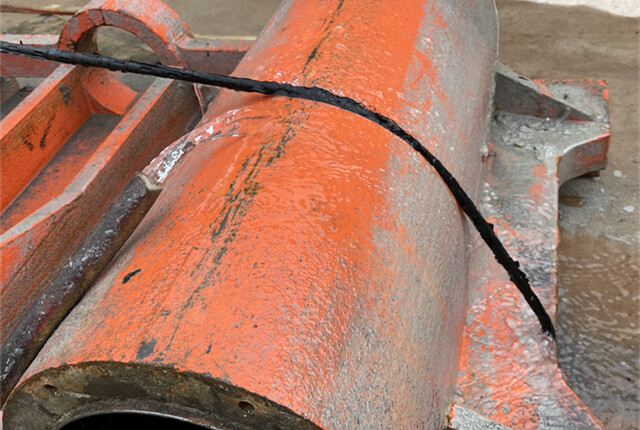
Before operating the wire metal saw, make sure the stone you intend to cut is properly prepared. Clear any debris or loose particles from the surface and secure the stone firmly in place. If necessary, mark the desired cutting line with a pencil or chalk to ensure accuracy. Next, inspect the wire saw to ensure it is in good working condition. Check for any signs of damage or wear and replace any worn-out components before starting.
Step 3: Cutting Technique
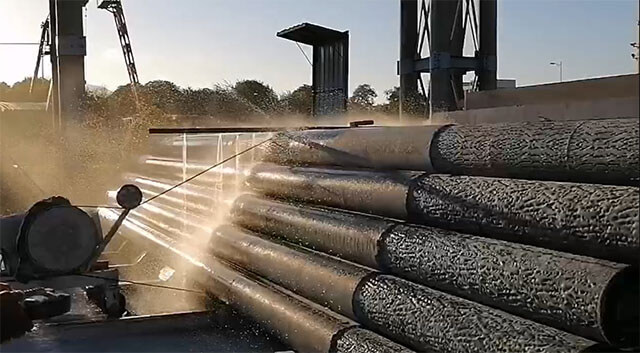
Once everything is in order, it's time to start cutting. Begin by slowly and steadily guiding the wire saw along the marked cutting line. Use a gentle back and forth motion to gradually work your way through the stone. Avoid applying excessive pressure, as it may cause the wire to break or become damaged. To ensure a smooth and precise cut, maintain a steady pace and let the saw do the work. For longer cuts, periodically pause to allow the wire saw to cool down and prevent overheating. Continue cutting until you have achieved the desired shape or size.
In conclusion, using a wire metal saw in the stone industry requires careful attention to safety measures, proper preparation of the stone and saw, and a precise cutting technique. By following this step-by-step guide, you can effectively utilize this powerful tool to achieve professional results. Remember to always prioritize safety and take the necessary precautions to protect yourself and those around you. Happy cutting!
Define the application before comparing equipment
For “A Step-by-Step Guide to Using a Wire Metal Saw,” write down the material, cut size, access, pulley layout, drive power, wire specification and required finish. This separates a real project requirement from a search phrase and gives every supplier the same boundary. The proposed wire saw machine can then be checked against the material, site and required result instead of being accepted by name alone.
Use evidence that can be retained
A practical review of “A Step-by-Step Guide to Using a Wire Metal Saw” should retain a representative cut record, wire-consumption notes, surface condition and a configuration drawing. Photographs and brochures help identify the offered configuration, but they do not replace a test condition, measured result or signed scope. Record settings for wire speed, feed rate, tension, cooling-water delivery, guide-wheel alignment and cut clearance so the accepted result can be repeated.
Control the main operating risk
The recurring risk in “A Step-by-Step Guide to Using a Wire Metal Saw” is poor pulley alignment, inadequate cooling, unsuitable wire or an unstable feed setting. Set a stop condition, assign who checks the machine and tool, and keep changes traceable. If the result moves outside the agreed window, investigate the material, alignment, tooling and utilities before adding load or speed.
Decision and acceptance table
| Decision point | What to define | Evidence to keep |
|---|---|---|
| Application | the material, cut size, access, pulley layout, drive power, wire specification and required finish | Written job or product brief |
| Operating window | wire speed, feed rate, tension, cooling-water delivery, guide-wheel alignment and cut clearance | Recorded trial settings and observations |
| Acceptance | a representative cut record, wire-consumption notes, surface condition and a configuration drawing | Signed sample, cut record or inspection note |
| Risk control | poor pulley alignment, inadequate cooling, unsuitable wire or an unstable feed setting | Named corrective action and stop condition |
Buyer and operator checklist
- Material and cut or hole dimensions for A Step-by-Step Guide to Using a Wire Metal Saw
- Offered wire saw machine configuration and included tooling
- Power, water, compressed air, access and lifting requirements
- Settings and checks covering wire speed, feed rate, tension, cooling-water delivery, guide-wheel alignment and cut clearance
- Factory or site acceptance method and responsible people
- Training, critical spares, manuals and service response boundary
Frequently asked questions
What should be confirmed first for A Step-by-Step Guide to Using a Wire Metal Saw?
For A Step-by-Step Guide to Using a Wire Metal Saw, start with the material, cut size, access, pulley layout, drive power, wire specification and required finish. Those inputs determine whether the proposed wire saw machine and tool are relevant.
How should performance for A Step-by-Step Guide to Using a Wire Metal Saw be verified?
For A Step-by-Step Guide to Using a Wire Metal Saw, use a representative cut record, wire-consumption notes, surface condition and a configuration drawing. Keep the material, operating conditions and acceptance criteria with the result.
Which settings matter during A Step-by-Step Guide to Using a Wire Metal Saw?
For A Step-by-Step Guide to Using a Wire Metal Saw, record wire speed, feed rate, tension, cooling-water delivery, guide-wheel alignment and cut clearance. A result without its settings is difficult to reproduce or compare.
When should work on A Step-by-Step Guide to Using a Wire Metal Saw be paused?
For A Step-by-Step Guide to Using a Wire Metal Saw, pause when the workpiece, support, guarding, utilities or cutting condition is unsafe, or when poor pulley alignment, inadequate cooling, unsuitable wire or an unstable feed setting is observed.