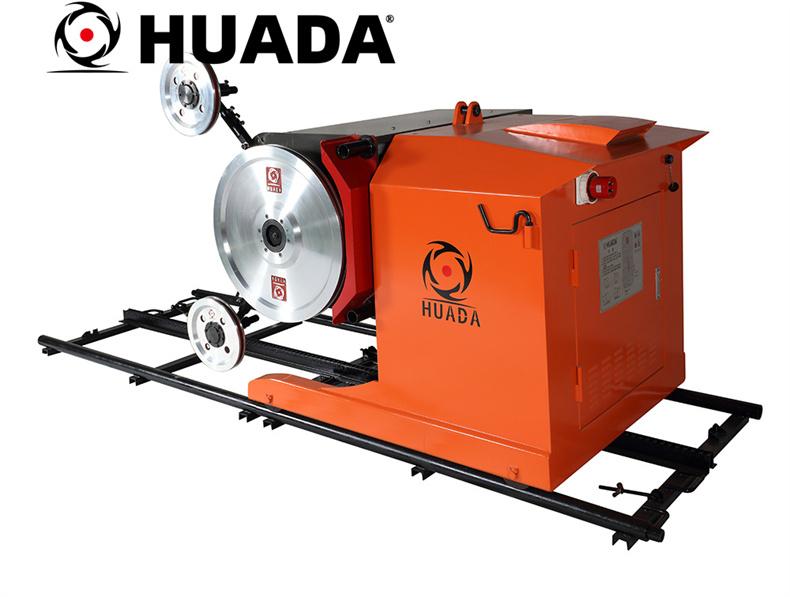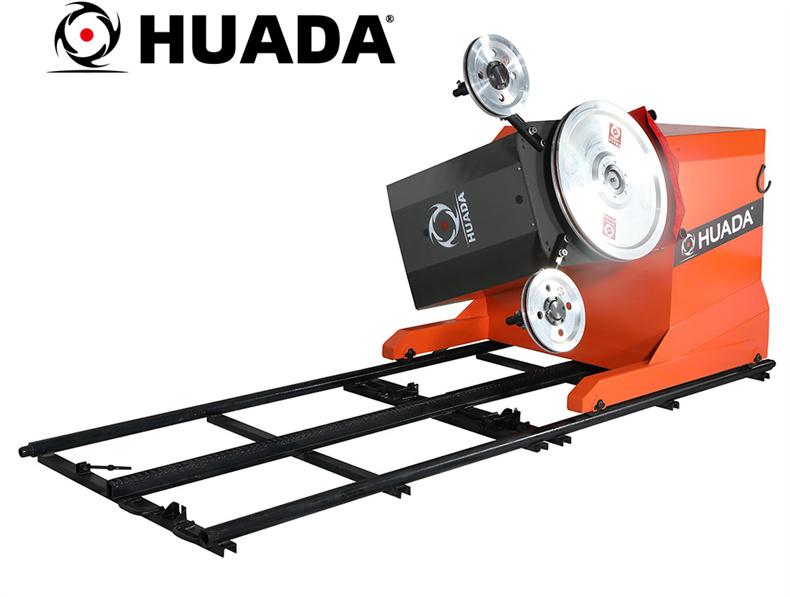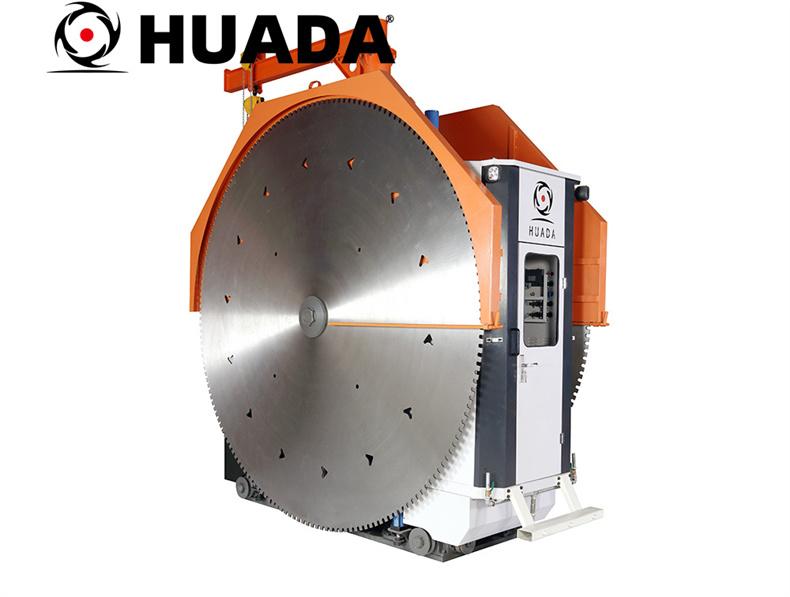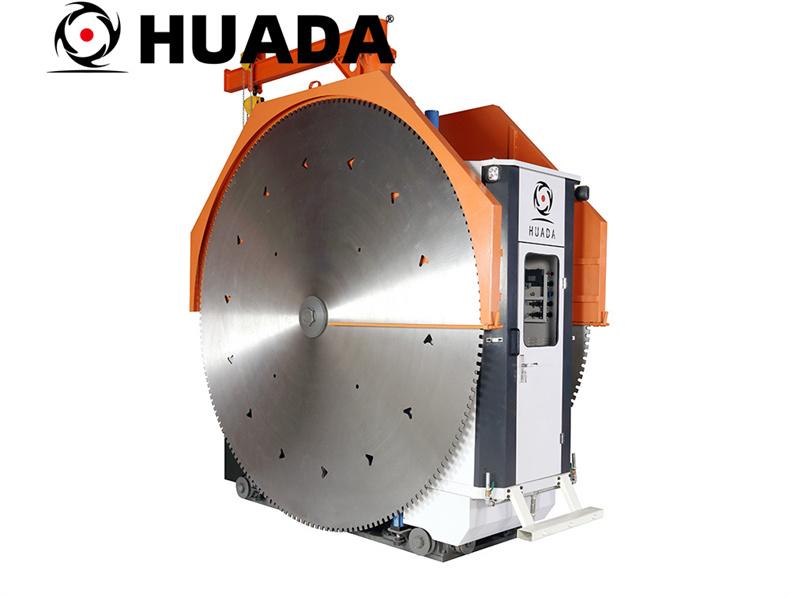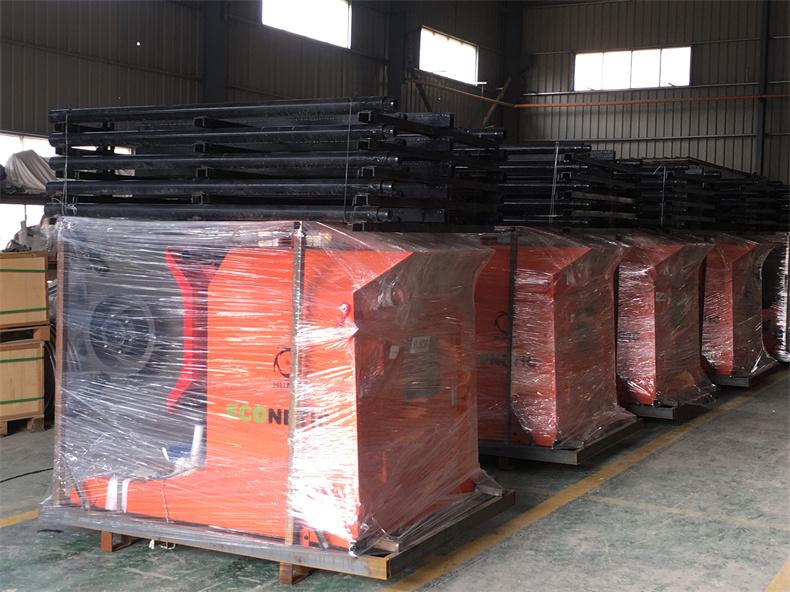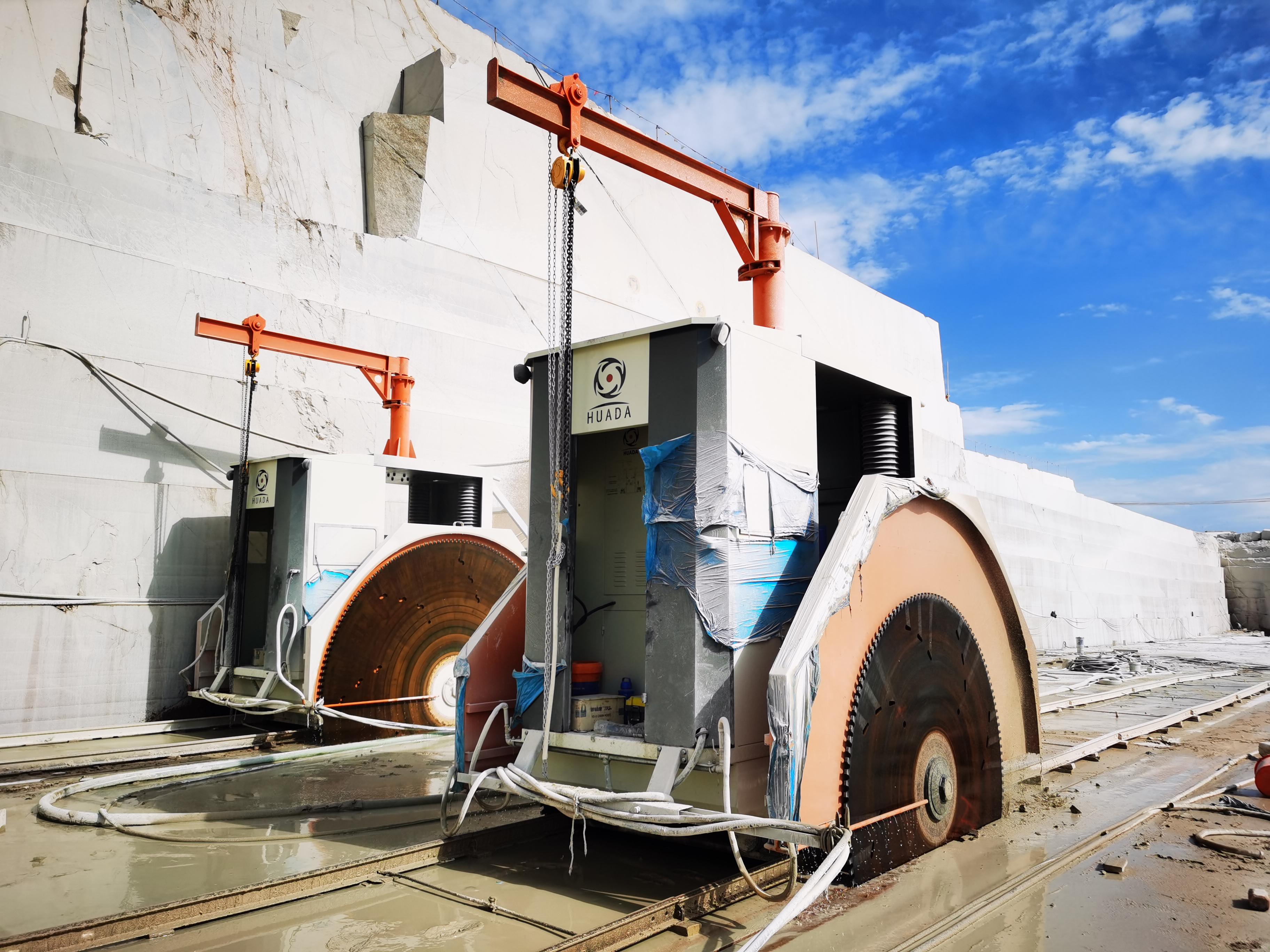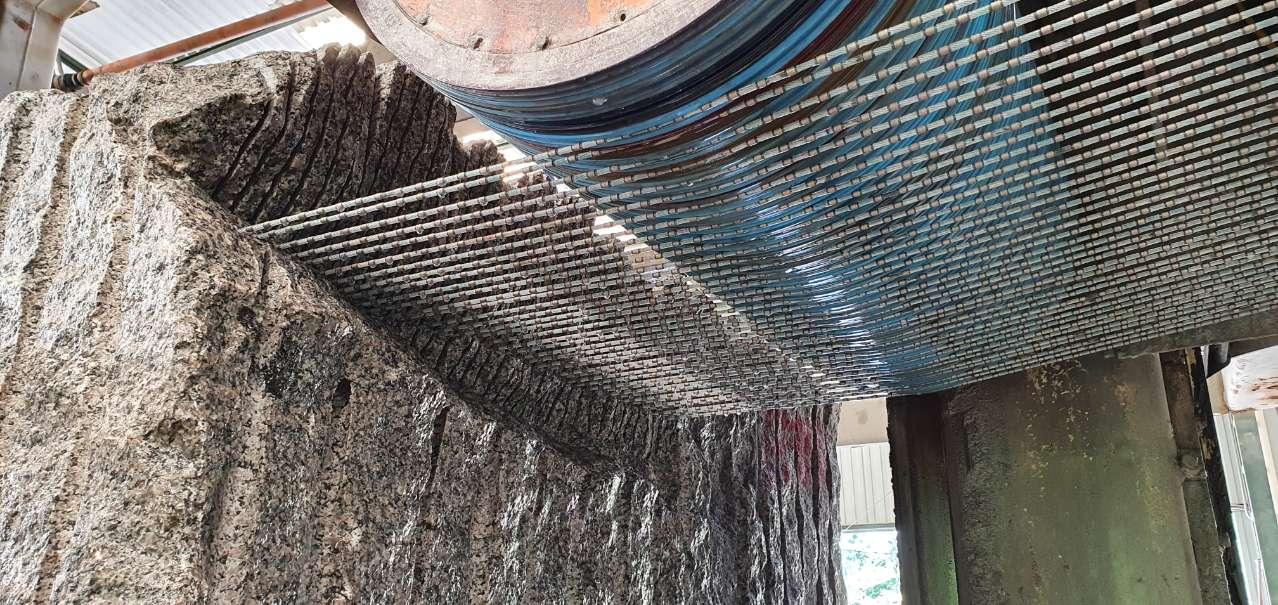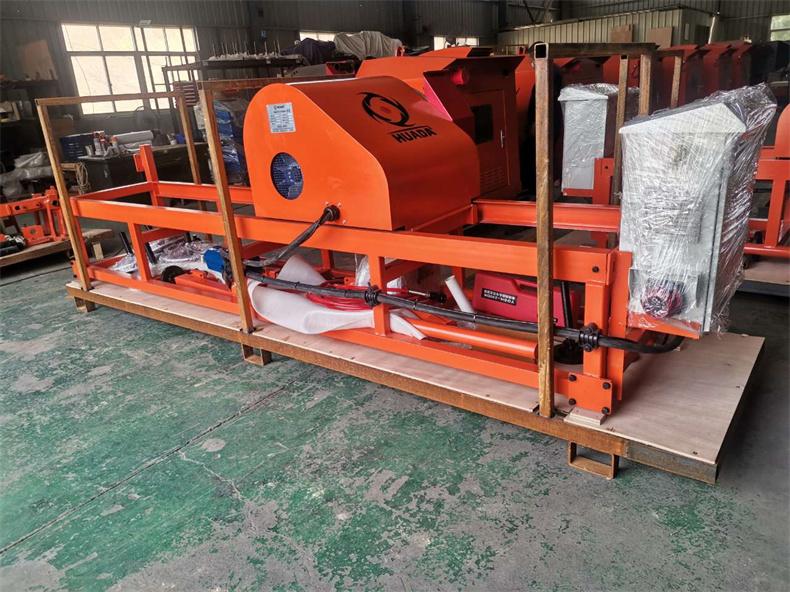

The service life discussed in “Maintenance and Care for Diamond Demolition Tools” is controlled by tool speed, feed, cooling, anchoring, exclusion zones and the sequence used to release each section. Trend wear and operating conditions together; replacing parts without correcting starting the cut before services, reinforcement, support, lifting and released-section weight are confirmed usually repeats the failure.
Technical context for Maintenance and Care for Diamond Demolition Tools
Introduction:
The use of diamond demolition tools is widespread in the stone industry due to their superior cutting and grinding capabilities. However, in order to maintain the longevity and efficiency of these tools, proper maintenance and care are essential. This article will provide an overview of the importance of maintenance and care for diamond demolition tools, as well as three key tips for ensuring their longevity and maximum performance.
1. Regular Cleaning
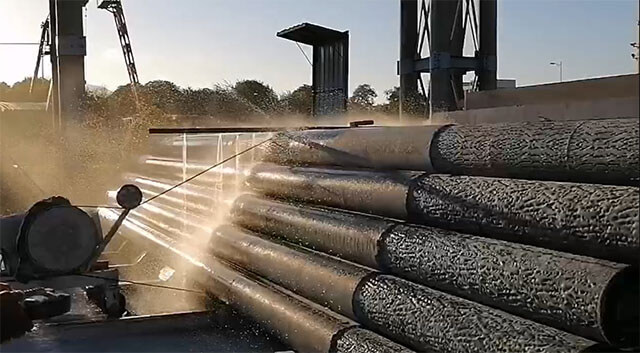
Regular cleaning is vital for maintaining the performance and lifespan of diamond demolition tools. After each use, it is important to remove any residue or debris that may have accumulated on the tool's surface. Failure to clean the tools properly can result in clogging, reduced cutting efficiency, and increased wear and tear. To clean the tools, use a brush to remove larger particles and rinse them with water. For stubborn debris, a mild detergent or solvent can be used. After cleaning, allow the tools to dry thoroughly before storing them.
2. Proper Storage
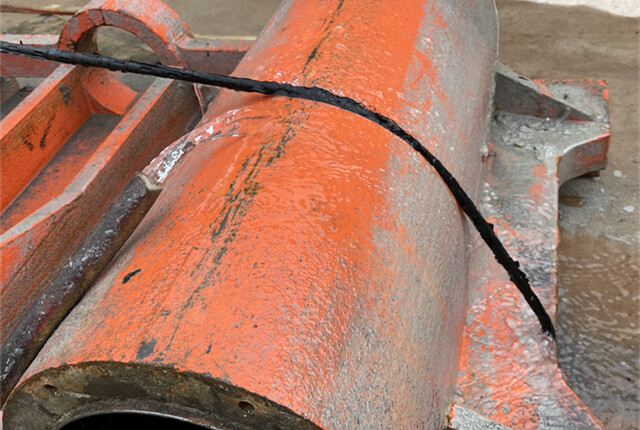
Proper storage is crucial to preventing damage to diamond demolition tools when they are not in use. Firstly, ensure that the tools are stored in a dry and clean environment. Moisture can cause corrosion and degrade the bond between the diamond segment and the tool. Secondly, it is recommended to store the tools in their original packaging or in specifically designed cases to protect them from impact and potential breakage. Keep the tools separate from other tools or materials to prevent scratching or chipping.
3. Sharpening and Maintenance Schedule
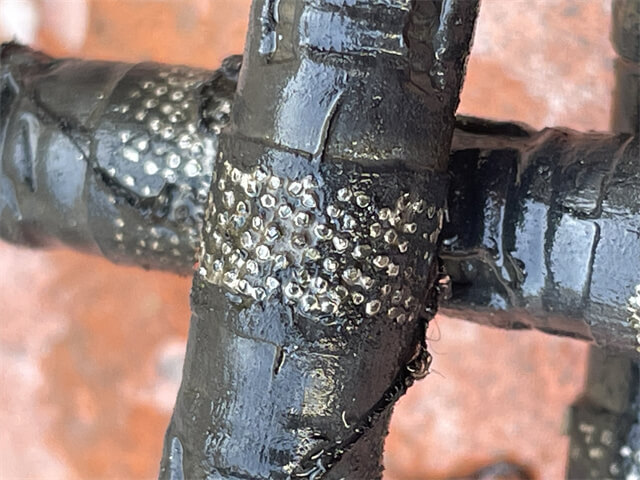
Regular sharpening and maintenance of diamond demolition tools are crucial for optimal performance. Over time, the diamond segments will wear down, reducing cutting efficiency. It is important to monitor the condition of the segments and schedule regular sharpening to ensure consistent performance. Depending on the frequency of use and the type of materials being cut, a maintenance schedule should be established. This schedule should include routine inspections for any signs of wear, such as segment loss or uneven cutting. Tools should be sent to professionals for sharpening or segment replacement, as they have the expertise and equipment to perform these tasks accurately.
Conclusion:
Maintenance and care are essential for prolonging the lifespan and optimizing the performance of diamond demolition tools in the stone industry. Regular cleaning, proper storage, and adherence to a sharpening and maintenance schedule are important practices to ensure the longevity and efficiency of these tools. By following these guidelines, stone industry professionals can maximize the value and productivity of their diamond demolition tools.
Control the main operating risk
The recurring risk in “Maintenance and Care for Diamond Demolition Tools” is starting the cut before services, reinforcement, support, lifting and released-section weight are confirmed. Set a stop condition, assign who checks the machine and tool, and keep changes traceable. If the result moves outside the agreed window, investigate the material, alignment, tooling and utilities before adding load or speed.
Define the application before comparing equipment
For “Maintenance and Care for Diamond Demolition Tools,” write down member dimensions, reinforcement, access, cut sequence, lifting plan, utilities and slurry control. This separates a real project requirement from a search phrase and gives every supplier the same boundary. The proposed reinforced concrete cutting equipment can then be checked against the material, site and required result instead of being accepted by name alone.
Use evidence that can be retained
A practical review of “Maintenance and Care for Diamond Demolition Tools” should retain a survey, engineered cutting plan, equipment schedule, lifting method and site acceptance record. Photographs and brochures help identify the offered configuration, but they do not replace a test condition, measured result or signed scope. Record settings for tool speed, feed, cooling, anchoring, exclusion zones and the sequence used to release each section so the accepted result can be repeated.
Decision and acceptance table
| Decision point | What to define | Evidence to keep |
|---|---|---|
| Application | member dimensions, reinforcement, access, cut sequence, lifting plan, utilities and slurry control | Written job or product brief |
| Operating window | tool speed, feed, cooling, anchoring, exclusion zones and the sequence used to release each section | Recorded trial settings and observations |
| Acceptance | a survey, engineered cutting plan, equipment schedule, lifting method and site acceptance record | Signed sample, cut record or inspection note |
| Risk control | starting the cut before services, reinforcement, support, lifting and released-section weight are confirmed | Named corrective action and stop condition |
Buyer and operator checklist
- Material and cut or hole dimensions for Maintenance and Care for Diamond Demolition Tools
- Offered reinforced concrete cutting equipment configuration and included tooling
- Power, water, compressed air, access and lifting requirements
- Settings and checks covering tool speed, feed, cooling, anchoring, exclusion zones and the sequence used to release each section
- Factory or site acceptance method and responsible people
- Training, critical spares, manuals and service response boundary
Frequently asked questions
What should be confirmed first for Maintenance and Care for Diamond Demolition Tools?
For Maintenance and Care for Diamond Demolition Tools, start with member dimensions, reinforcement, access, cut sequence, lifting plan, utilities and slurry control. Those inputs determine whether the proposed reinforced concrete cutting equipment and tool are relevant.
How should performance for Maintenance and Care for Diamond Demolition Tools be verified?
For Maintenance and Care for Diamond Demolition Tools, use a survey, engineered cutting plan, equipment schedule, lifting method and site acceptance record. Keep the material, operating conditions and acceptance criteria with the result.
Which settings matter during Maintenance and Care for Diamond Demolition Tools?
For Maintenance and Care for Diamond Demolition Tools, record tool speed, feed, cooling, anchoring, exclusion zones and the sequence used to release each section. A result without its settings is difficult to reproduce or compare.
When should work on Maintenance and Care for Diamond Demolition Tools be paused?
For Maintenance and Care for Diamond Demolition Tools, pause when the workpiece, support, guarding, utilities or cutting condition is unsafe, or when starting the cut before services, reinforcement, support, lifting and released-section weight are confirmed is observed.