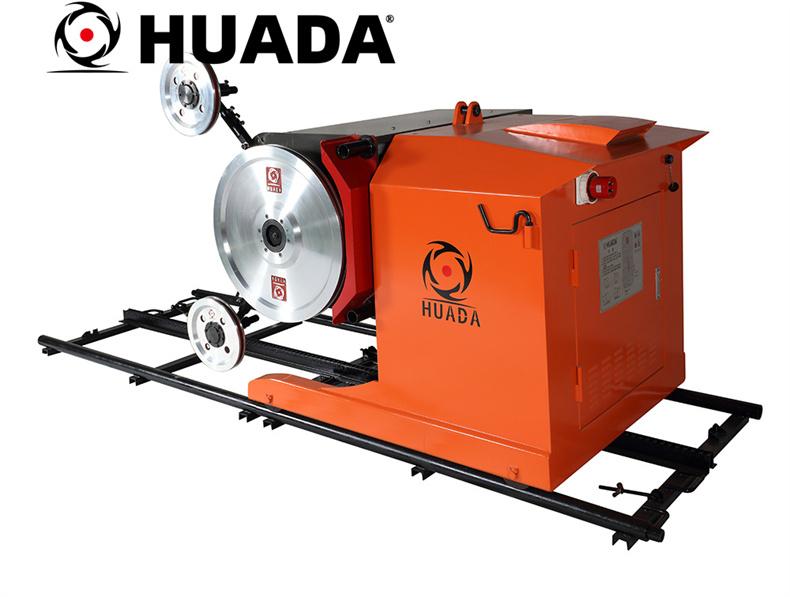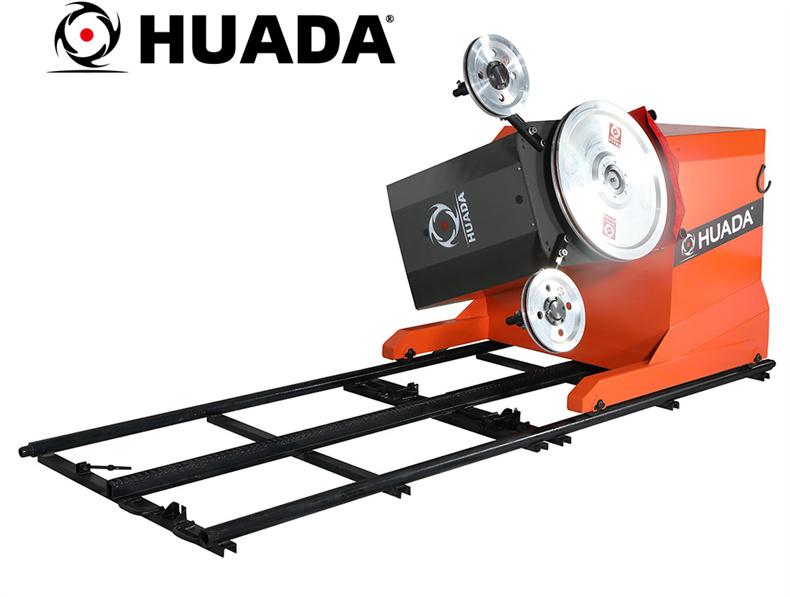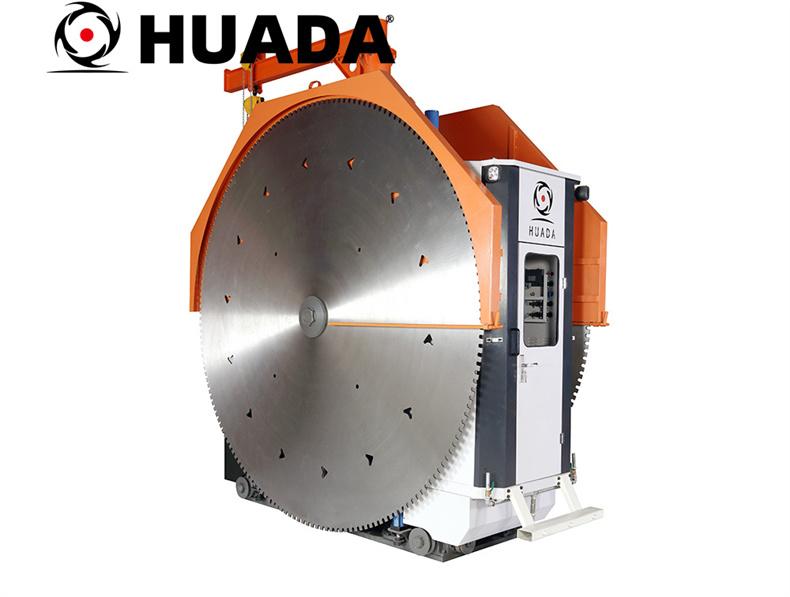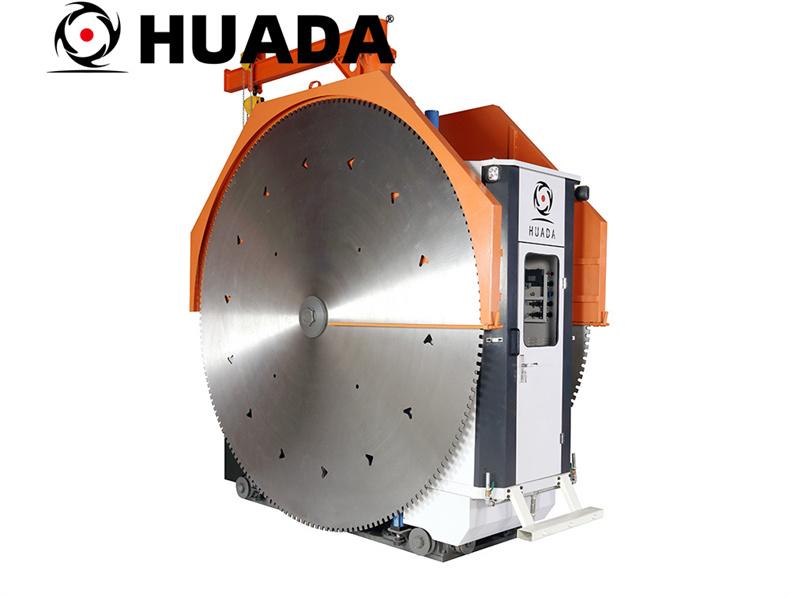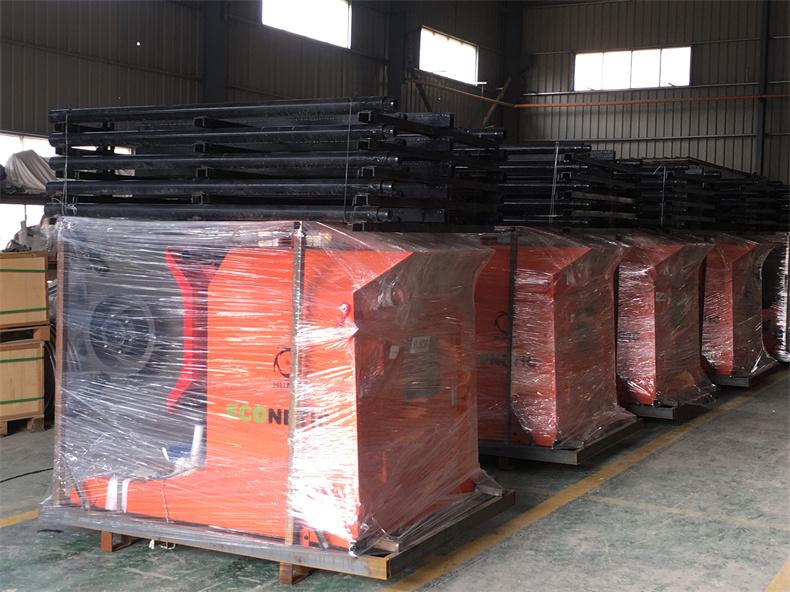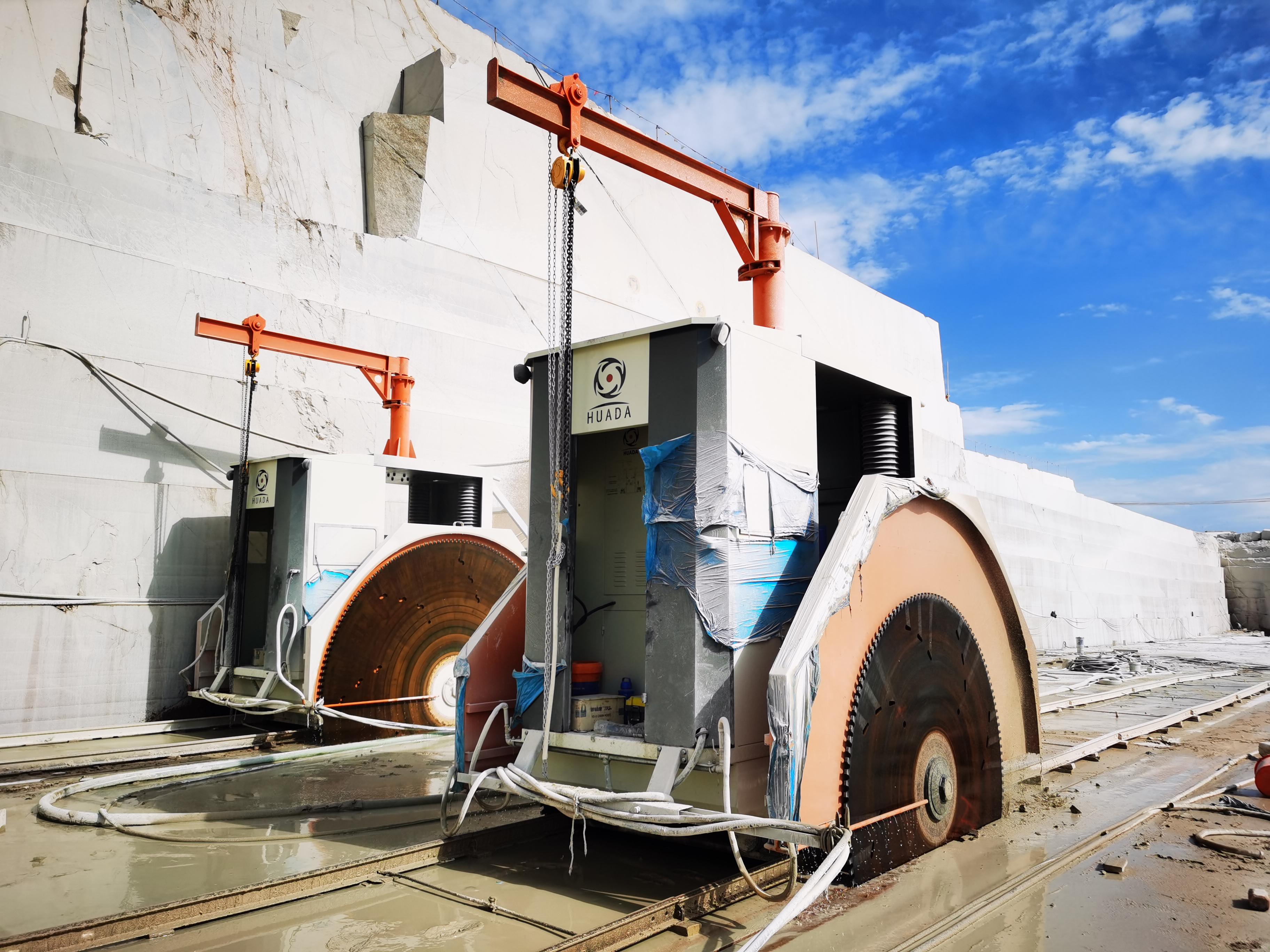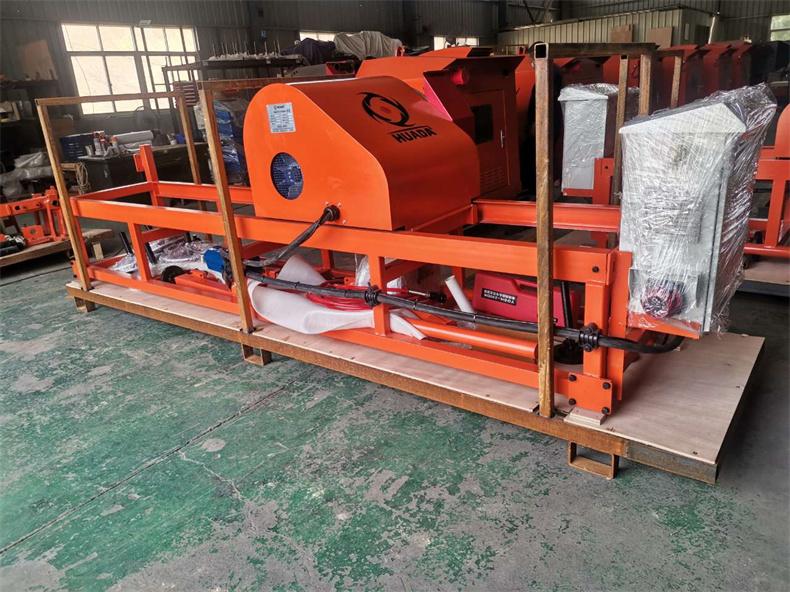

Application fit for “Exploring the versatile applications of diamond tools for demolition” depends on member dimensions, reinforcement, access, cut sequence, lifting plan, utilities and slurry control. Confirm the proposed reinforced concrete cutting equipment with a representative trial or documented reference before scaling the process.
Technical context for Exploring the versatile applications of diamond tools for demolition
The stone industry has witnessed rapid growth in recent years due to the increasing demand for construction materials. In this industry, diamond tools have become an indispensable asset for demolition tasks. Their exceptional hardness and durability make them ideal for cutting and grinding various types of stone. This article aims to explore the versatile applications of diamond tools in the field of demolition.
1. Cutting through tough materials
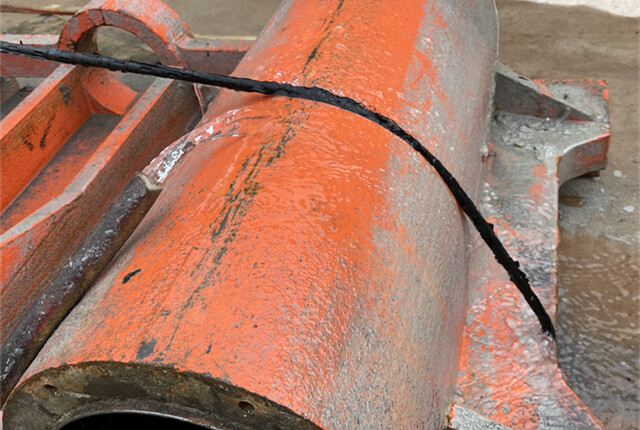
Diamond tools are particularly renowned for their ability to cut through tough and dense materials effortlessly. Traditional cutting tools such as saws and blades often struggle to penetrate hard stones like granite and marble. However, diamond blades equipped with tiny diamond crystals can easily slice through these materials, resulting in clean and precise cuts.
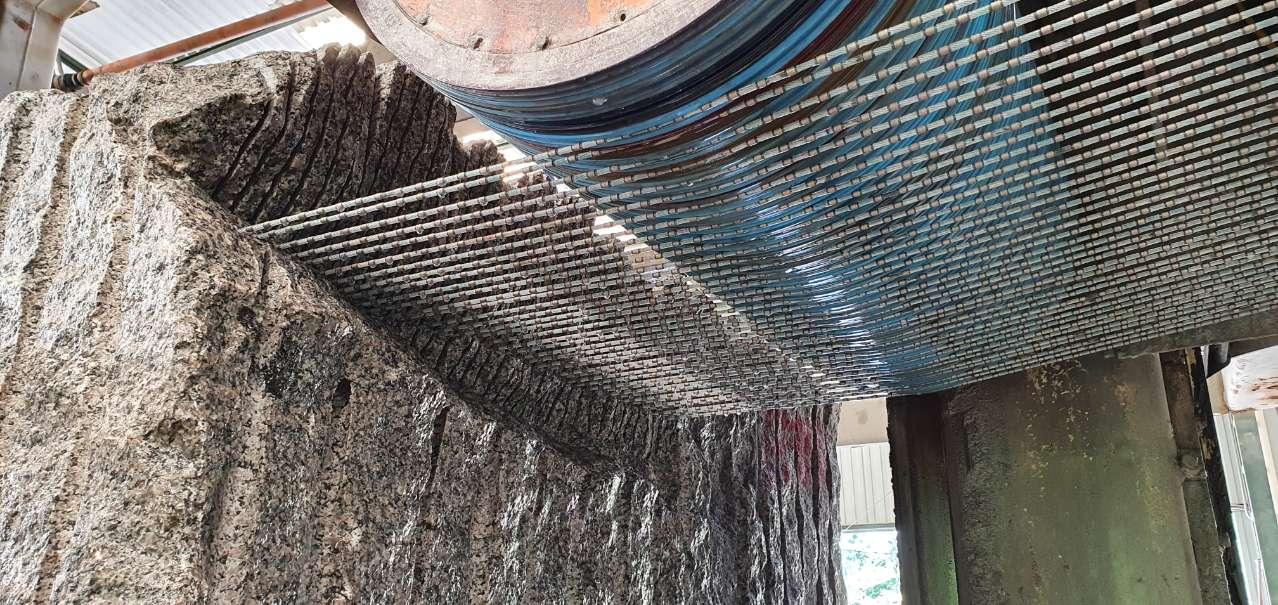
Moreover, diamond wires are another popular choice when it comes to cutting massive blocks of stone or concrete. These wires, coated with diamond crystals, offer exceptional cutting efficiency while ensuring minimal waste and low noise levels. With diamond tools, demolition projects that involve cutting through tough materials can be completed with greater ease and efficiency.
2. Grinding and shaping stones
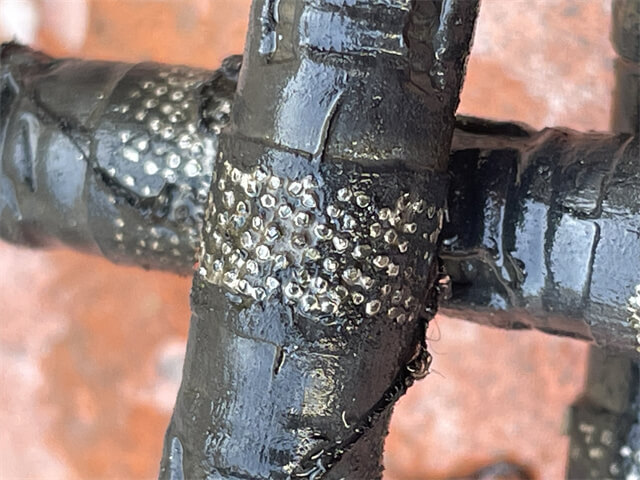
In addition to cutting, diamond tools are widely used for grinding and shaping stones. Whether it's smoothing rough edges or creating intricate designs, diamond grinding wheels and cup wheels can achieve remarkable results in stone shaping.
Furthermore, diamond polishing pads are widely employed to refine and enhance the appearance of stone surfaces. These pads, ranging from coarse to fine grit, can effectively remove scratches and imperfections, bringing out the natural beauty of the stone. From countertops to statues, diamond tools play a crucial role in achieving the desired finish and texture for various stone applications.
3. Concrete demolition and removal

Aside from stones, diamond tools are also indispensable in the demolition and removal of concrete structures. Demolishing reinforced concrete can be a challenging task due to the presence of steel bars or mesh. However, diamond core bits and drills are specifically designed to cut through both concrete and reinforcement materials with ease.
Additionally, diamond grinders equipped with special attachments are used for removing old or damaged concrete surfaces. These tools can effectively strip away layers of concrete, preparing the surface for repairs or renovations. With their high grinding efficiency and long lifespan, diamond tools offer significant advantages in concrete demolition and refurbishment projects.
In conclusion,
diamond tools have revolutionized the demolition processes in the stone industry. From cutting tough materials to grinding and shaping stones, these tools have proven their versatility and efficiency. The applications of diamond tools extend beyond stones and include concrete demolition and removal. As the demand for construction materials continues to rise, the importance of diamond tools in the stone industry will only grow, ensuring more efficient and cost-effective demolition processes.
Control the main operating risk
The recurring risk in “Exploring the versatile applications of diamond tools for demolition” is starting the cut before services, reinforcement, support, lifting and released-section weight are confirmed. Set a stop condition, assign who checks the machine and tool, and keep changes traceable. If the result moves outside the agreed window, investigate the material, alignment, tooling and utilities before adding load or speed.
Define the application before comparing equipment
For “Exploring the versatile applications of diamond tools for demolition,” write down member dimensions, reinforcement, access, cut sequence, lifting plan, utilities and slurry control. This separates a real project requirement from a search phrase and gives every supplier the same boundary. The proposed reinforced concrete cutting equipment can then be checked against the material, site and required result instead of being accepted by name alone.
Use evidence that can be retained
A practical review of “Exploring the versatile applications of diamond tools for demolition” should retain a survey, engineered cutting plan, equipment schedule, lifting method and site acceptance record. Photographs and brochures help identify the offered configuration, but they do not replace a test condition, measured result or signed scope. Record settings for tool speed, feed, cooling, anchoring, exclusion zones and the sequence used to release each section so the accepted result can be repeated.
Decision and acceptance table
| Decision point | What to define | Evidence to keep |
|---|---|---|
| Application | member dimensions, reinforcement, access, cut sequence, lifting plan, utilities and slurry control | Written job or product brief |
| Operating window | tool speed, feed, cooling, anchoring, exclusion zones and the sequence used to release each section | Recorded trial settings and observations |
| Acceptance | a survey, engineered cutting plan, equipment schedule, lifting method and site acceptance record | Signed sample, cut record or inspection note |
| Risk control | starting the cut before services, reinforcement, support, lifting and released-section weight are confirmed | Named corrective action and stop condition |
Buyer and operator checklist
- Material and cut or hole dimensions for Exploring the versatile applications of diamond tools for demolition
- Offered reinforced concrete cutting equipment configuration and included tooling
- Power, water, compressed air, access and lifting requirements
- Settings and checks covering tool speed, feed, cooling, anchoring, exclusion zones and the sequence used to release each section
- Factory or site acceptance method and responsible people
- Training, critical spares, manuals and service response boundary
Frequently asked questions
What should be confirmed first for Exploring the versatile applications of diamond tools for demolition?
For Exploring the versatile applications of diamond tools for demolition, start with member dimensions, reinforcement, access, cut sequence, lifting plan, utilities and slurry control. Those inputs determine whether the proposed reinforced concrete cutting equipment and tool are relevant.
How should performance for Exploring the versatile applications of diamond tools for demolition be verified?
For Exploring the versatile applications of diamond tools for demolition, use a survey, engineered cutting plan, equipment schedule, lifting method and site acceptance record. Keep the material, operating conditions and acceptance criteria with the result.
Which settings matter during Exploring the versatile applications of diamond tools for demolition?
For Exploring the versatile applications of diamond tools for demolition, record tool speed, feed, cooling, anchoring, exclusion zones and the sequence used to release each section. A result without its settings is difficult to reproduce or compare.
When should work on Exploring the versatile applications of diamond tools for demolition be paused?
For Exploring the versatile applications of diamond tools for demolition, pause when the workpiece, support, guarding, utilities or cutting condition is unsafe, or when starting the cut before services, reinforcement, support, lifting and released-section weight are confirmed is observed.