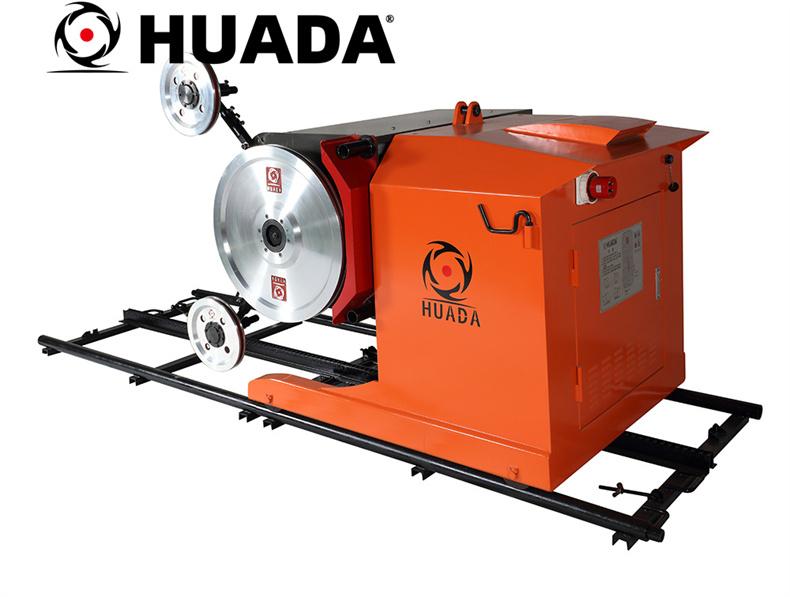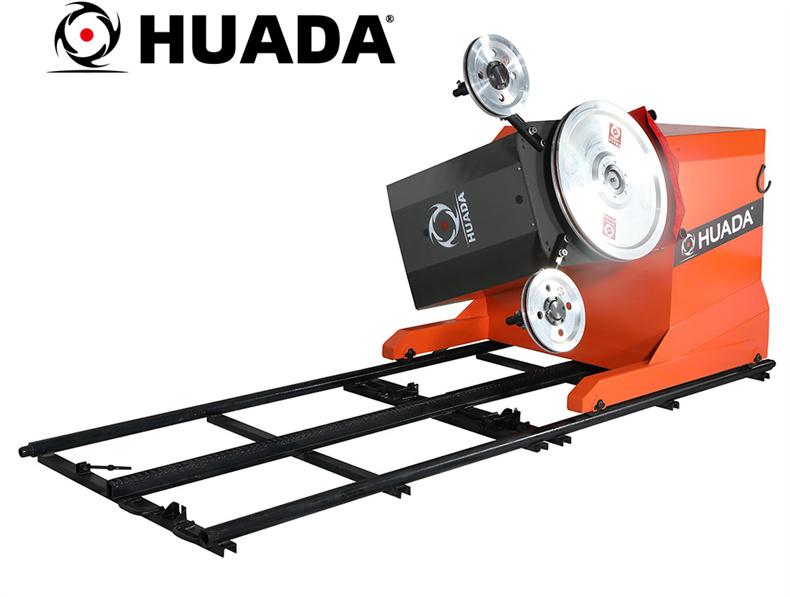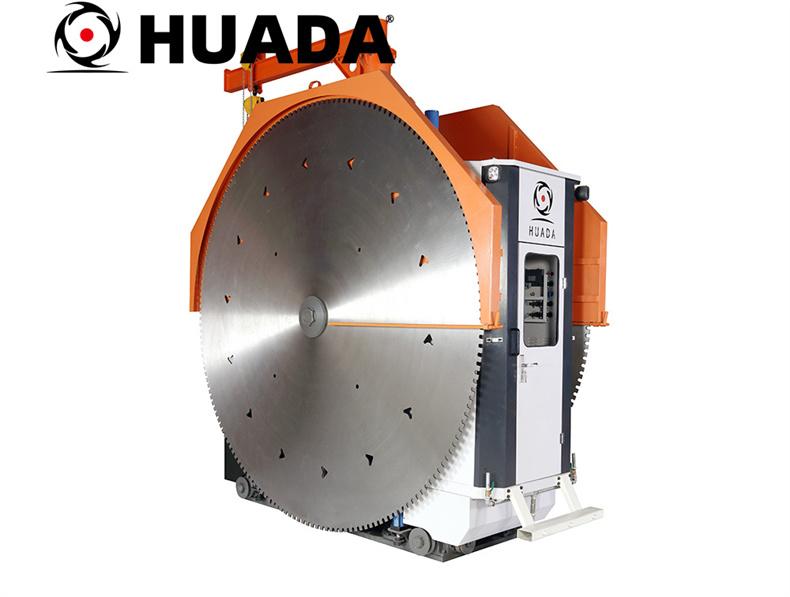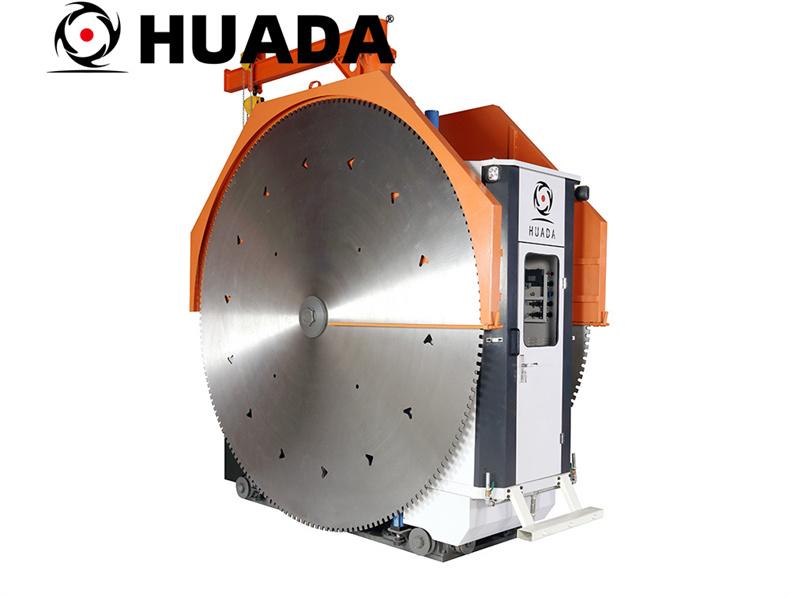

Use “Exploring the Range of Products for Cutting Complex Materials” as a decision brief for a stone cutting equipment: define material, dimensions, access, target output, utilities, tooling, safety controls and service scope, verify tool condition, alignment, feed, cooling, machine settings, work support and operator procedure and retain a representative test, machine configuration, measured result and written acceptance checklist before approval.
Technical context for Exploring the Range of Products for Cutting Complex Materials
Exploring the Range of Products for Cutting Complex Materials
Introduction
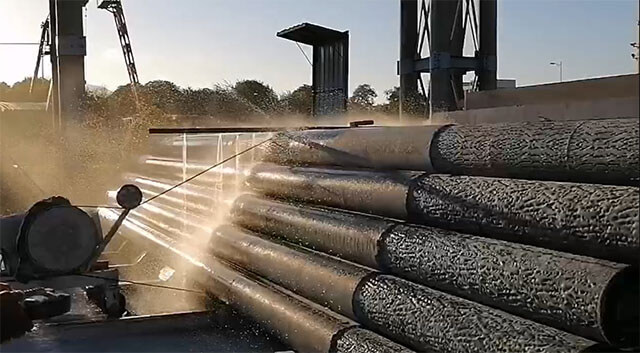
The stone industry plays a crucial role in construction and design, providing durable and aesthetically pleasing materials for various applications. One of the key challenges in this industry is cutting complex materials efficiently and accurately. To overcome this challenge, manufacturers have developed a wide range of products specifically designed for cutting stones and other complex materials. In this article, we will explore the different types of cutting tools and technologies available in the market.
Diamond Blades: Unleashing Precision
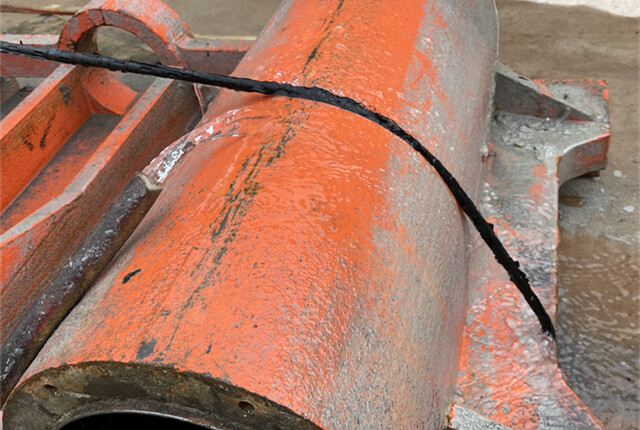
Diamond blades have revolutionized the stone cutting process with their exceptional precision and durability. These blades are embedded with synthetic diamonds on the cutting edge, allowing them to cut through even the toughest materials effortlessly. With a diamond blade, intricate designs and shapes can be achieved without compromising on accuracy. Furthermore, these blades are designed to resist wear and tear, ensuring long-term usability. From circular saws to bridge saws, there is a diamond blade available for every type of stone cutting application.
Waterjet Cutting: Versatility at its Best
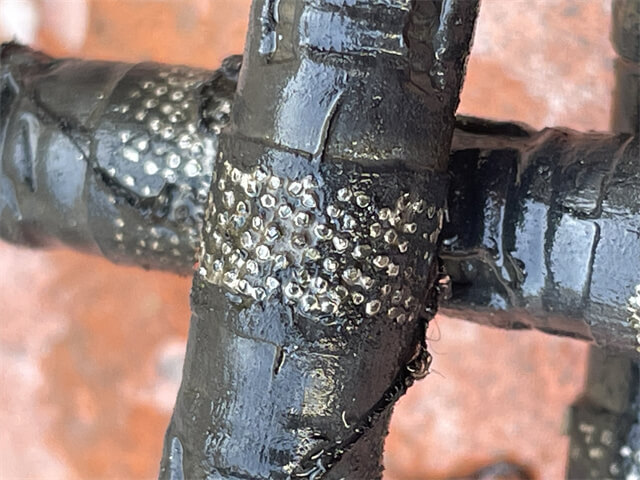
Waterjet cutting has emerged as a versatile solution for cutting a wide range of complex materials, including stones. This technology utilizes a high-pressure stream of water mixed with abrasive particles to cut through the material. The added advantage of waterjet cutting is its ability to produce intricate shapes and curves with high precision. Unlike other cutting methods, waterjet cutting does not generate heat, minimizing the risk of thermal damage to the material. This makes it suitable for delicate stones that are sensitive to temperature changes.
CNC Machines: Automation and Efficiency
CNC (Computer Numerical Control) machines have become a staple in the stone industry, offering automation and efficiency in the cutting process. These machines are equipped with precision cutting heads that can be programmed to cut complex designs with utmost accuracy. By utilizing CAD software, intricate patterns and shapes can be created and translated into cutting paths for the CNC machine to follow. CNC machines not only save time but also minimize material wastage, making them a cost-effective solution for stone cutting.
Conclusion
The development of cutting tools and technologies has greatly enhanced the capabilities of the stone industry in dealing with complex materials. Diamond blades provide the precision required for intricate designs, while waterjet cutting offers versatility without damaging sensitive stones. CNC machines bring automation and efficiency to the cutting process, reducing both time and waste. It is crucial for businesses in the stone industry to stay updated with the latest advancements in cutting products, as they offer opportunities to improve productivity and achieve higher quality results.
Define the application before comparing equipment
For “Exploring the Range of Products for Cutting Complex Materials,” write down material, dimensions, access, target output, utilities, tooling, safety controls and service scope. This separates a real project requirement from a search phrase and gives every supplier the same boundary. The proposed stone cutting equipment can then be checked against the material, site and required result instead of being accepted by name alone.
Use evidence that can be retained
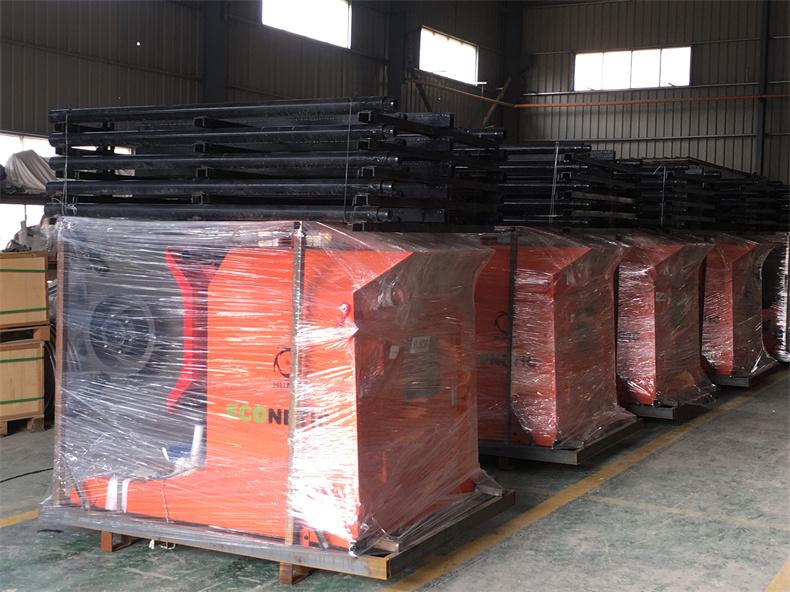
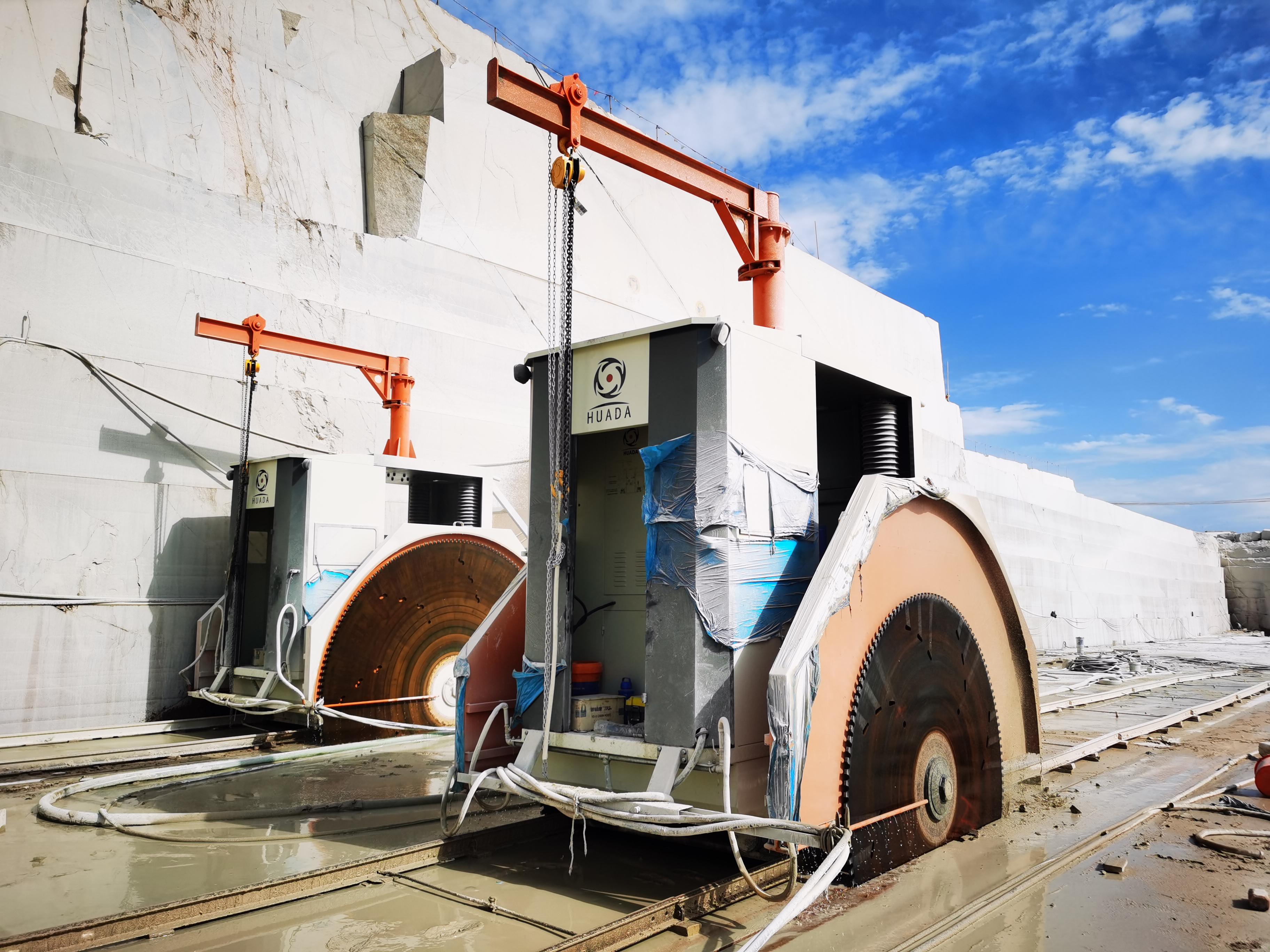
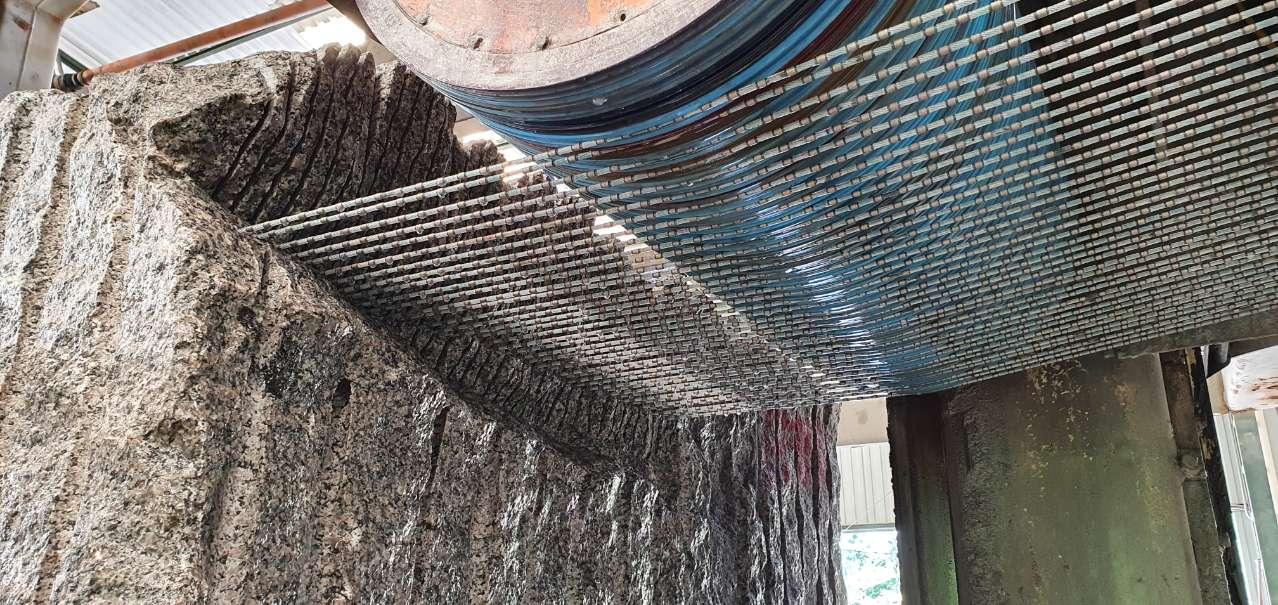
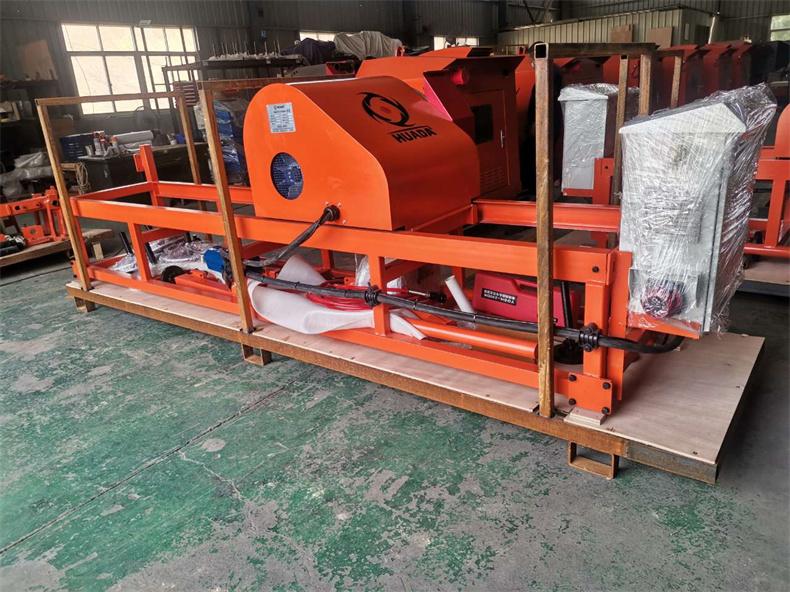
A practical review of “Exploring the Range of Products for Cutting Complex Materials” should retain a representative test, machine configuration, measured result and written acceptance checklist. Photographs and brochures help identify the offered configuration, but they do not replace a test condition, measured result or signed scope. Record settings for tool condition, alignment, feed, cooling, machine settings, work support and operator procedure so the accepted result can be repeated.
Control the main operating risk
The recurring risk in “Exploring the Range of Products for Cutting Complex Materials” is comparing one headline specification without defining the material, process and acceptance boundary. Set a stop condition, assign who checks the machine and tool, and keep changes traceable. If the result moves outside the agreed window, investigate the material, alignment, tooling and utilities before adding load or speed.
Decision and acceptance table
| Decision point | What to define | Evidence to keep |
|---|---|---|
| Application | material, dimensions, access, target output, utilities, tooling, safety controls and service scope | Written job or product brief |
| Operating window | tool condition, alignment, feed, cooling, machine settings, work support and operator procedure | Recorded trial settings and observations |
| Acceptance | a representative test, machine configuration, measured result and written acceptance checklist | Signed sample, cut record or inspection note |
| Risk control | comparing one headline specification without defining the material, process and acceptance boundary | Named corrective action and stop condition |
Buyer and operator checklist
- Material and cut or hole dimensions for Exploring the Range of Products for Cutting Complex Materials
- Offered stone cutting equipment configuration and included tooling
- Power, water, compressed air, access and lifting requirements
- Settings and checks covering tool condition, alignment, feed, cooling, machine settings, work support and operator procedure
- Factory or site acceptance method and responsible people
- Training, critical spares, manuals and service response boundary
Frequently asked questions
What should be confirmed first for Exploring the Range of Products for Cutting Complex Materials?
For Exploring the Range of Products for Cutting Complex Materials, start with material, dimensions, access, target output, utilities, tooling, safety controls and service scope. Those inputs determine whether the proposed stone cutting equipment and tool are relevant.
How should performance for Exploring the Range of Products for Cutting Complex Materials be verified?
For Exploring the Range of Products for Cutting Complex Materials, use a representative test, machine configuration, measured result and written acceptance checklist. Keep the material, operating conditions and acceptance criteria with the result.
Which settings matter during Exploring the Range of Products for Cutting Complex Materials?
For Exploring the Range of Products for Cutting Complex Materials, record tool condition, alignment, feed, cooling, machine settings, work support and operator procedure. A result without its settings is difficult to reproduce or compare.
When should work on Exploring the Range of Products for Cutting Complex Materials be paused?
For Exploring the Range of Products for Cutting Complex Materials, pause when the workpiece, support, guarding, utilities or cutting condition is unsafe, or when comparing one headline specification without defining the material, process and acceptance boundary is observed.