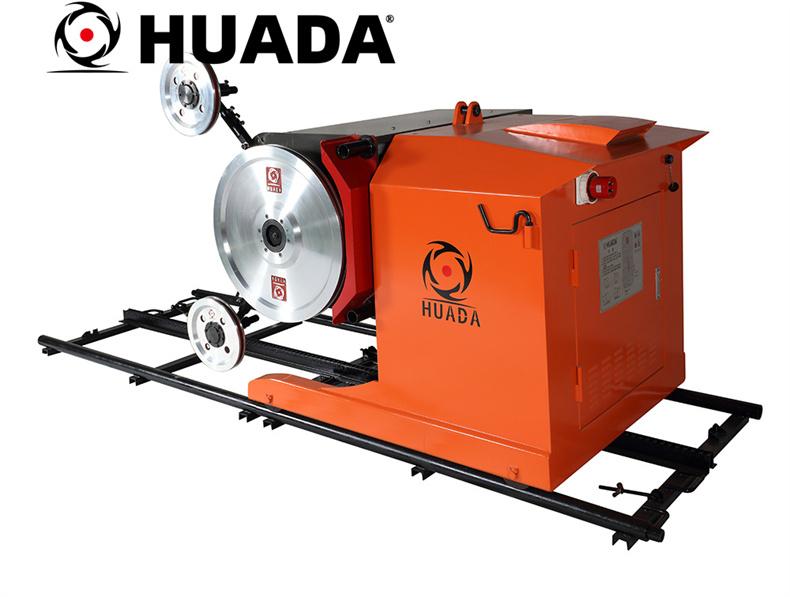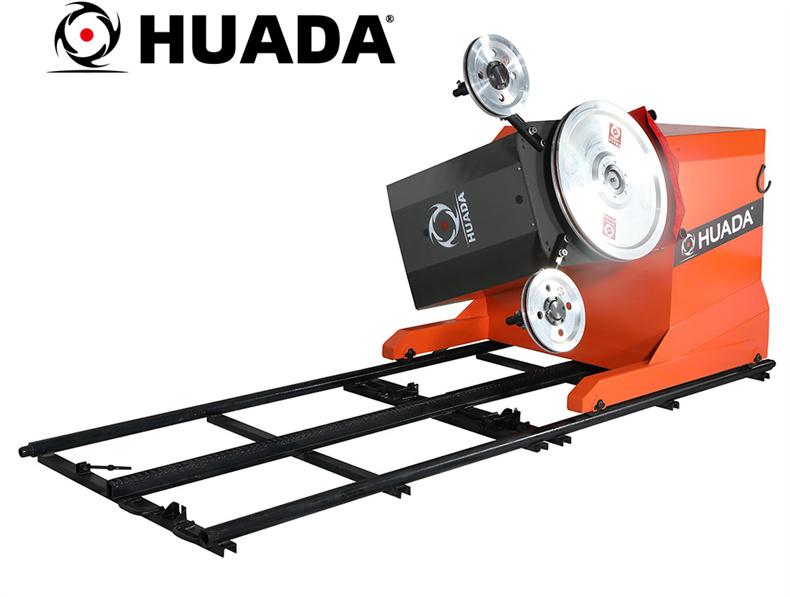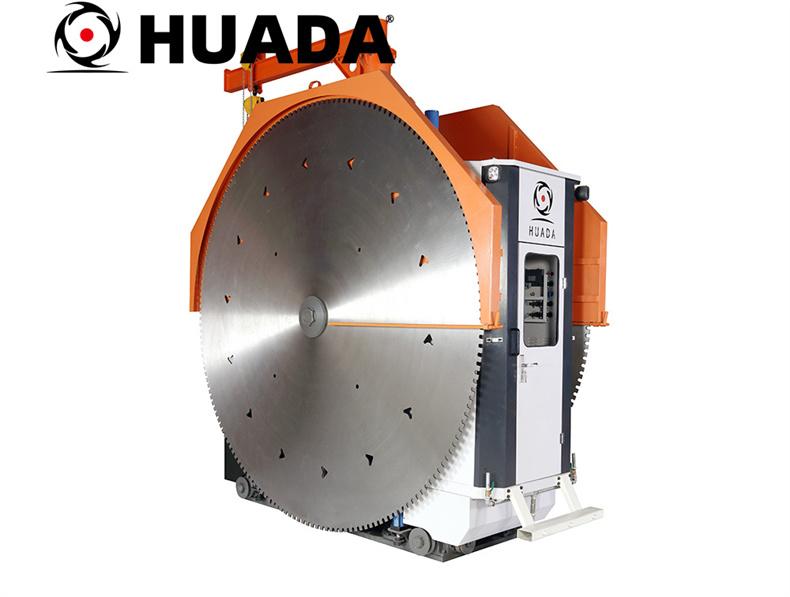

Use “Exploring the Diverse Uses of Concrete Cutting Saws” as a decision brief for a reinforced concrete cutting equipment: define member dimensions, reinforcement, access, cut sequence, lifting plan, utilities and slurry control, verify tool speed, feed, cooling, anchoring, exclusion zones and the sequence used to release each section and retain a survey, engineered cutting plan, equipment schedule, lifting method and site acceptance record before approval.
Technical context for Exploring the Diverse Uses of Concrete Cutting Saws
Concrete cutting saws play a crucial role in the stone industry, offering immense versatility and precision in various construction projects. These powerful tools are designed to cut through concrete, brick, and other materials with utmost accuracy, making them indispensable for contractors, architects, and engineers. In this article, we will explore the diverse uses of concrete cutting saws and how they revolutionize the stone industry.
1. Cutting through Concrete
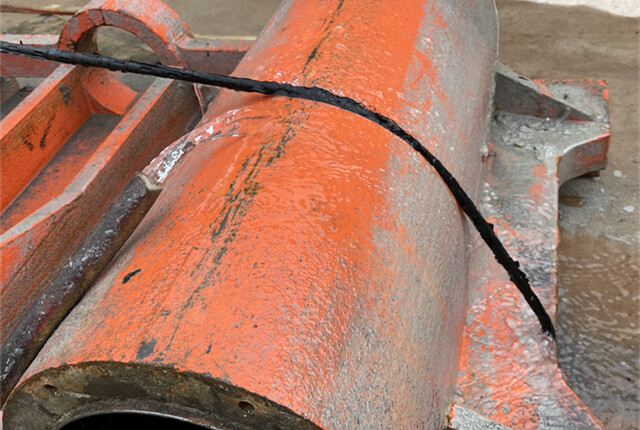
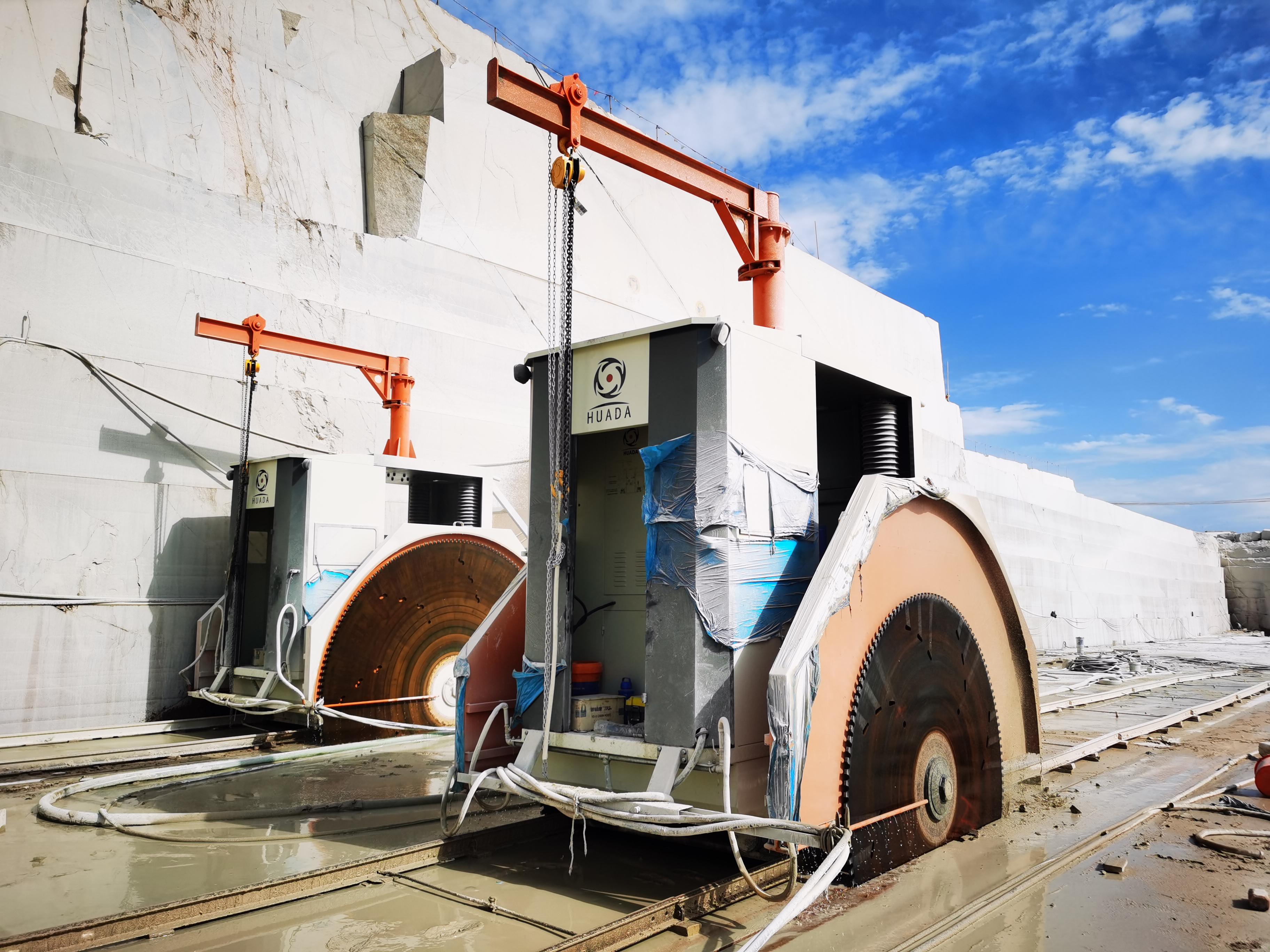
The primary function of concrete cutting saws is to accurately cut through concrete structures. Whether it's creating expansion joints, removing damaged sections, or modifying existing structures, these saws provide a clean and precise cut. With adjustable depth controls and different blade types, contractors can achieve specific cutting requirements, ensuring that the project meets all specifications.
One common application of concrete cutting saws is in road construction and repair. These saws allow workers to effortlessly cut through the existing pavement to create expansion joints, allowing the road to expand and contract with temperature changes. By using these saws, road construction teams can complete projects efficiently, minimizing traffic disruptions and ensuring long-lasting results.
Furthermore, concrete cutting saws are also used in the demolition of old buildings. When demolishing concrete structures, precision cutting is necessary to avoid collateral damage to nearby structures and ensure worker safety. Concrete cutting saws provide an efficient solution for controlled demolition, enabling contractors to safely remove sections of concrete without causing unnecessary disturbances.
2. Precision in Masonry
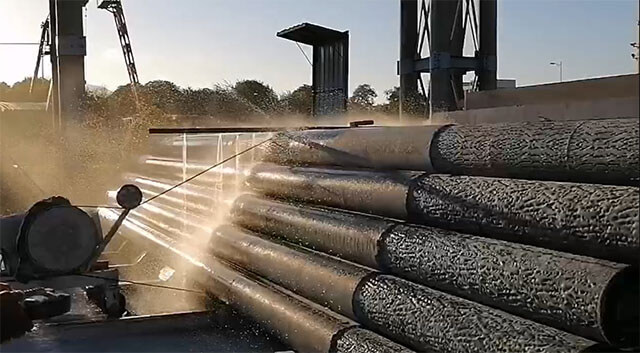
In addition to cutting through concrete, these saws are widely used in masonry for shaping and sculpting stones. Stone masons rely on concrete cutting saws to achieve intricate designs, smooth edges, and precise angles. The ability to control the cutting depth and angle allows them to create stunning architectural elements, such as arches, columns, and decorative facades.
Historical monument restoration is another area where concrete cutting saws demonstrate their value. When restoring ancient structures, it's crucial to replace damaged or worn-out stone components with precision. Concrete cutting saws enable craftsmen to remove the damaged sections precisely while preserving the integrity of the surrounding structure. This level of accuracy ensures a seamless restoration that retains the historical significance of the monument.
Moreover, in the field of landscaping, concrete cutting saws play a vital role in creating unique stone features. From custom-shaped walkways to perfectly fitting stone slabs for retaining walls, these saws allow landscape designers to bring their creative visions to life. The versatility of these tools ensures that every stone is cut with precision, resulting in visually appealing and functional outdoor spaces.
3. Enhancing Safety Measures
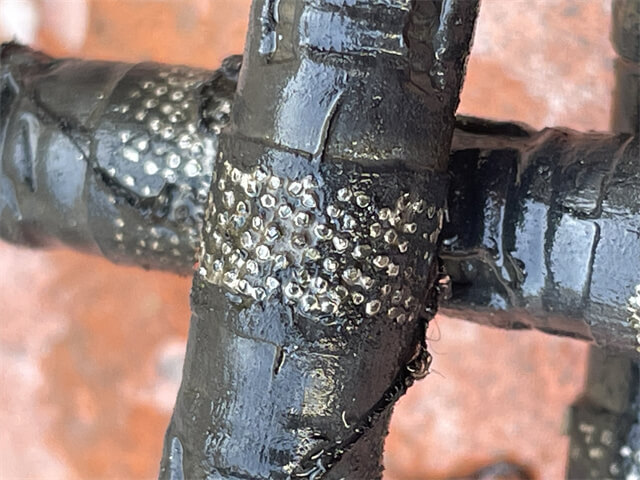
Concrete cutting saws not only improve efficiency and precision but also contribute to enhanced safety measures on construction sites. Traditional methods of cutting through concrete, such as jackhammers and explosives, pose significant risks to workers and nearby structures. On the other hand, concrete cutting saws offer a safer alternative.
By using these saws, workers can avoid hazardous vibrations, dust, and flying debris associated with other cutting techniques. Additionally, the advanced technology used in modern concrete cutting saws includes safety features such as blade guards, water suppression systems, and ergonomic designs. These features help minimize accidents and provide a safer working environment for construction teams.
Overall, the diverse uses of concrete cutting saws have revolutionized the stone industry. From precise cutting in road construction to intricate shaping in masonry and enhancing safety on construction sites, these tools have become an indispensable part of various construction projects. With their versatility, efficiency, and ability to deliver precise results, concrete cutting saws continue to play a vital role in shaping the infrastructure and architectural elements of our modern world.
To summarize,
concrete cutting saws are versatile tools that enable contractors and craftsmen to cut through concrete structures with utmost precision. They find applications in various fields, including road construction, masonry, monument restoration, and landscaping. Moreover, these saws contribute to enhanced safety measures on construction sites, making them a preferred choice over traditional cutting methods. As the stone industry continues to evolve, concrete cutting saws will remain an essential tool for achieving accurate and efficient results.
Define the application before comparing equipment
For “Exploring the Diverse Uses of Concrete Cutting Saws,” write down member dimensions, reinforcement, access, cut sequence, lifting plan, utilities and slurry control. This separates a real project requirement from a search phrase and gives every supplier the same boundary. The proposed reinforced concrete cutting equipment can then be checked against the material, site and required result instead of being accepted by name alone.
Use evidence that can be retained
A practical review of “Exploring the Diverse Uses of Concrete Cutting Saws” should retain a survey, engineered cutting plan, equipment schedule, lifting method and site acceptance record. Photographs and brochures help identify the offered configuration, but they do not replace a test condition, measured result or signed scope. Record settings for tool speed, feed, cooling, anchoring, exclusion zones and the sequence used to release each section so the accepted result can be repeated.
Control the main operating risk
The recurring risk in “Exploring the Diverse Uses of Concrete Cutting Saws” is starting the cut before services, reinforcement, support, lifting and released-section weight are confirmed. Set a stop condition, assign who checks the machine and tool, and keep changes traceable. If the result moves outside the agreed window, investigate the material, alignment, tooling and utilities before adding load or speed.
Decision and acceptance table
| Decision point | What to define | Evidence to keep |
|---|---|---|
| Application | member dimensions, reinforcement, access, cut sequence, lifting plan, utilities and slurry control | Written job or product brief |
| Operating window | tool speed, feed, cooling, anchoring, exclusion zones and the sequence used to release each section | Recorded trial settings and observations |
| Acceptance | a survey, engineered cutting plan, equipment schedule, lifting method and site acceptance record | Signed sample, cut record or inspection note |
| Risk control | starting the cut before services, reinforcement, support, lifting and released-section weight are confirmed | Named corrective action and stop condition |
Buyer and operator checklist
- Material and cut or hole dimensions for Exploring the Diverse Uses of Concrete Cutting Saws
- Offered reinforced concrete cutting equipment configuration and included tooling
- Power, water, compressed air, access and lifting requirements
- Settings and checks covering tool speed, feed, cooling, anchoring, exclusion zones and the sequence used to release each section
- Factory or site acceptance method and responsible people
- Training, critical spares, manuals and service response boundary
Frequently asked questions
What should be confirmed first for Exploring the Diverse Uses of Concrete Cutting Saws?
For Exploring the Diverse Uses of Concrete Cutting Saws, start with member dimensions, reinforcement, access, cut sequence, lifting plan, utilities and slurry control. Those inputs determine whether the proposed reinforced concrete cutting equipment and tool are relevant.
How should performance for Exploring the Diverse Uses of Concrete Cutting Saws be verified?
For Exploring the Diverse Uses of Concrete Cutting Saws, use a survey, engineered cutting plan, equipment schedule, lifting method and site acceptance record. Keep the material, operating conditions and acceptance criteria with the result.
Which settings matter during Exploring the Diverse Uses of Concrete Cutting Saws?
For Exploring the Diverse Uses of Concrete Cutting Saws, record tool speed, feed, cooling, anchoring, exclusion zones and the sequence used to release each section. A result without its settings is difficult to reproduce or compare.
When should work on Exploring the Diverse Uses of Concrete Cutting Saws be paused?
For Exploring the Diverse Uses of Concrete Cutting Saws, pause when the workpiece, support, guarding, utilities or cutting condition is unsafe, or when starting the cut before services, reinforcement, support, lifting and released-section weight are confirmed is observed.