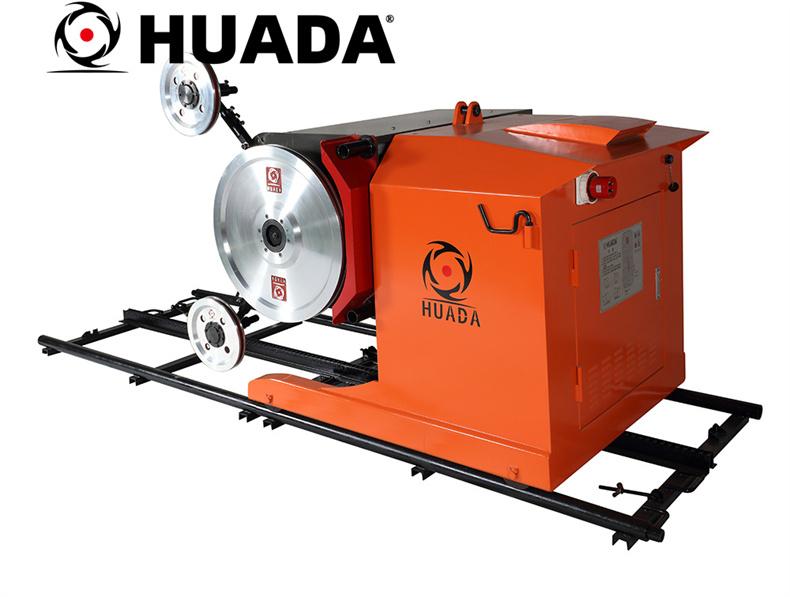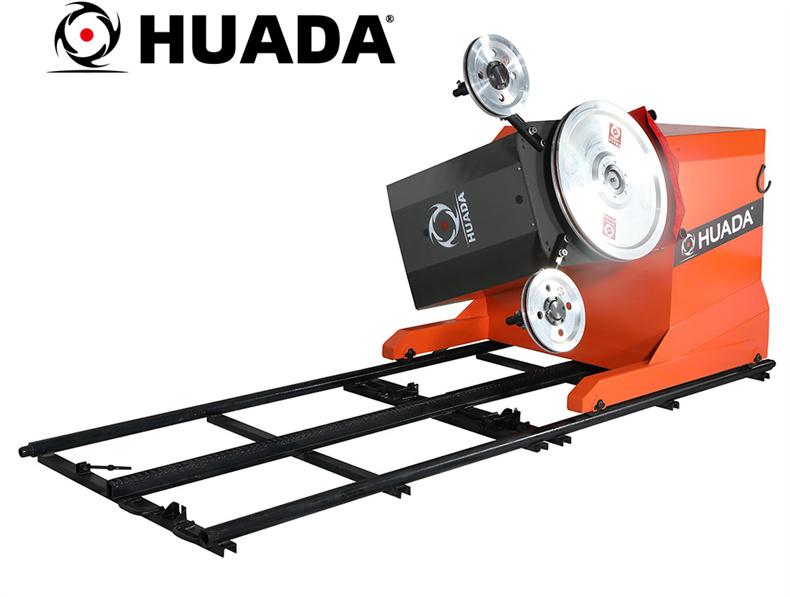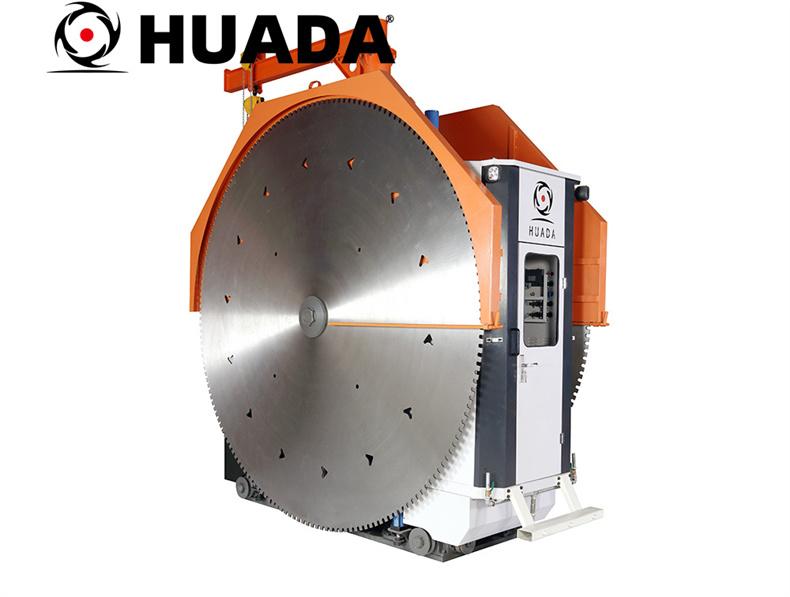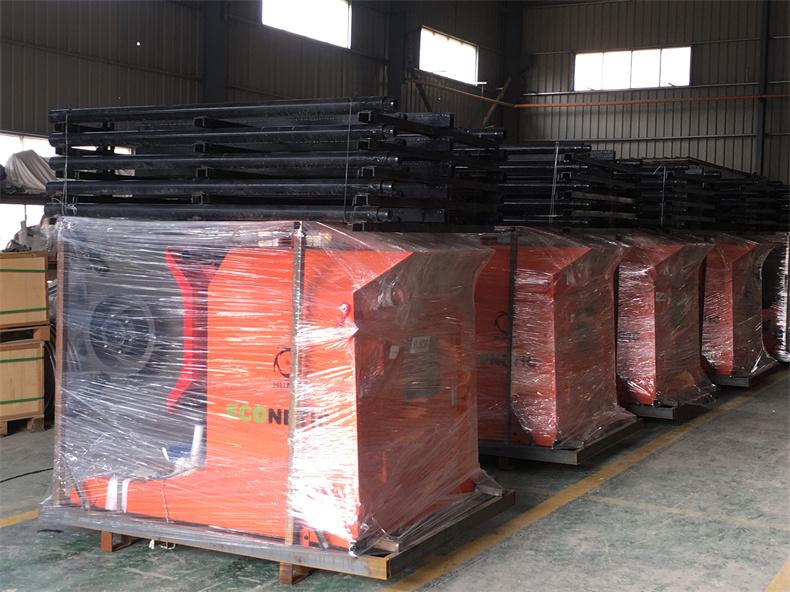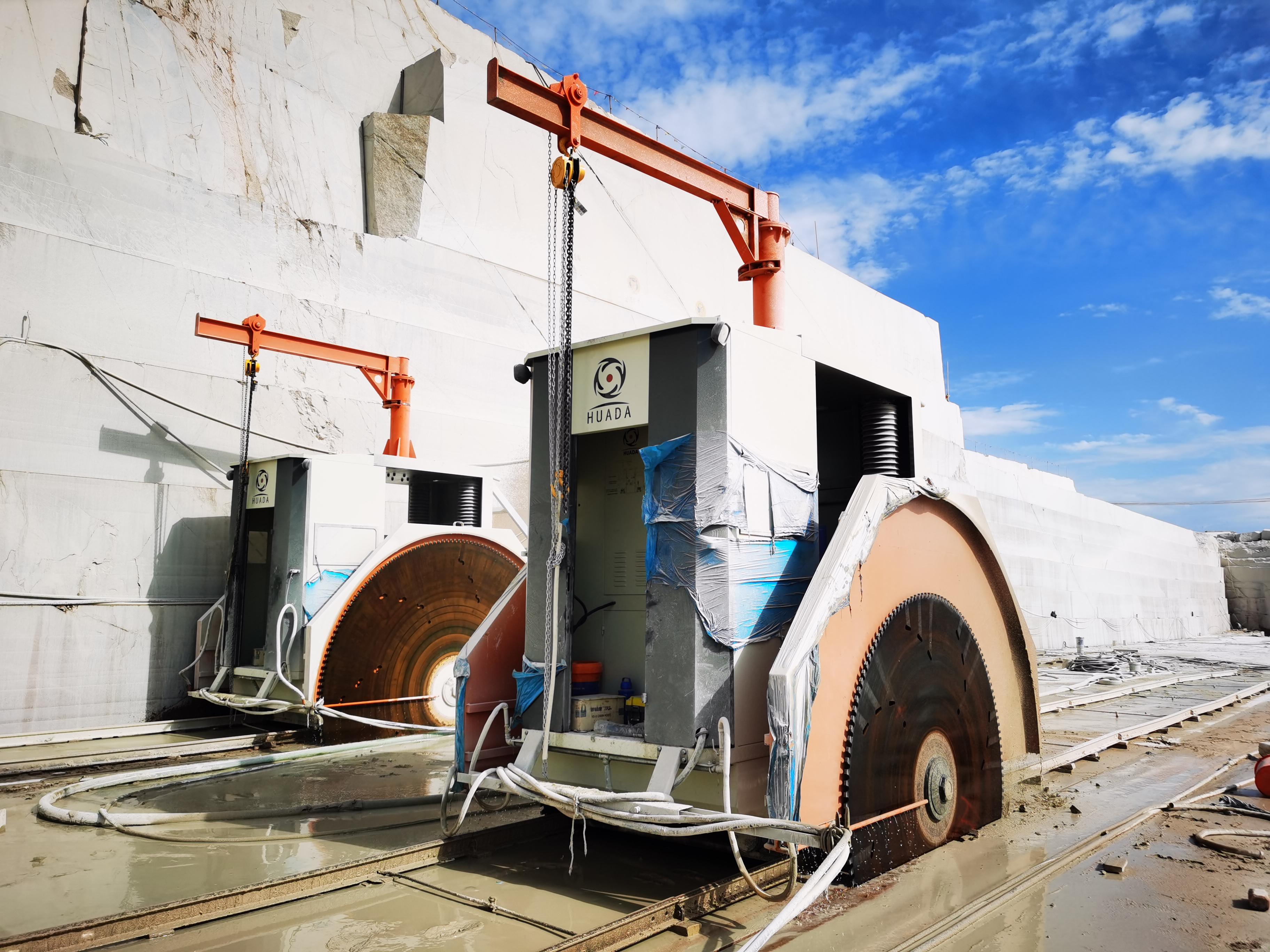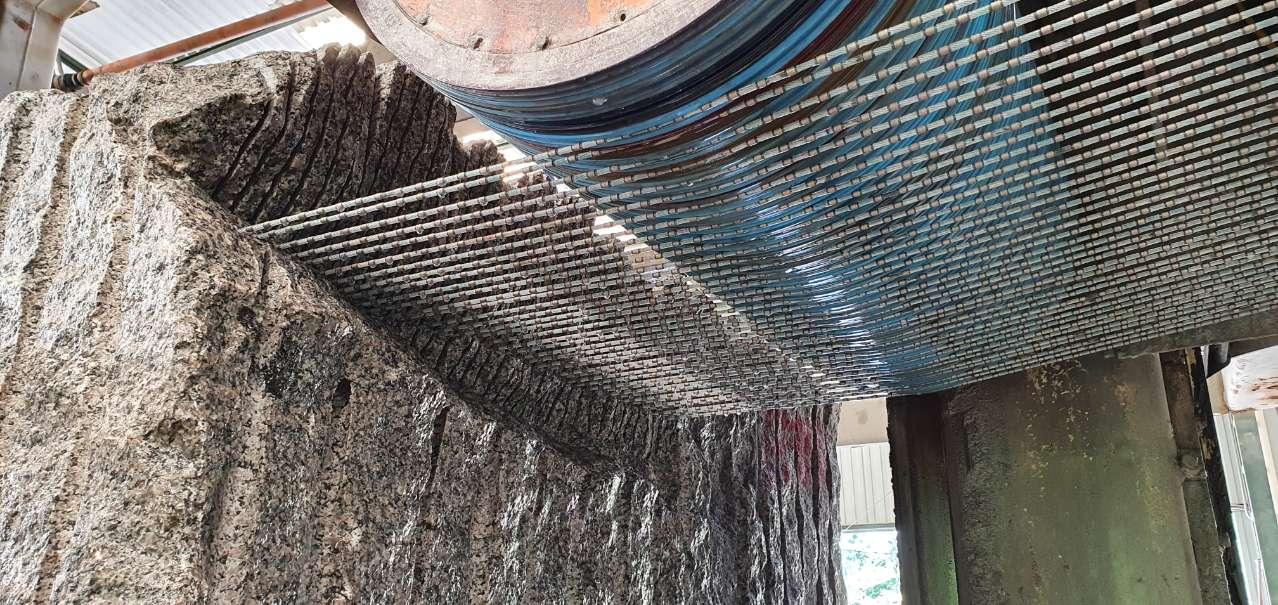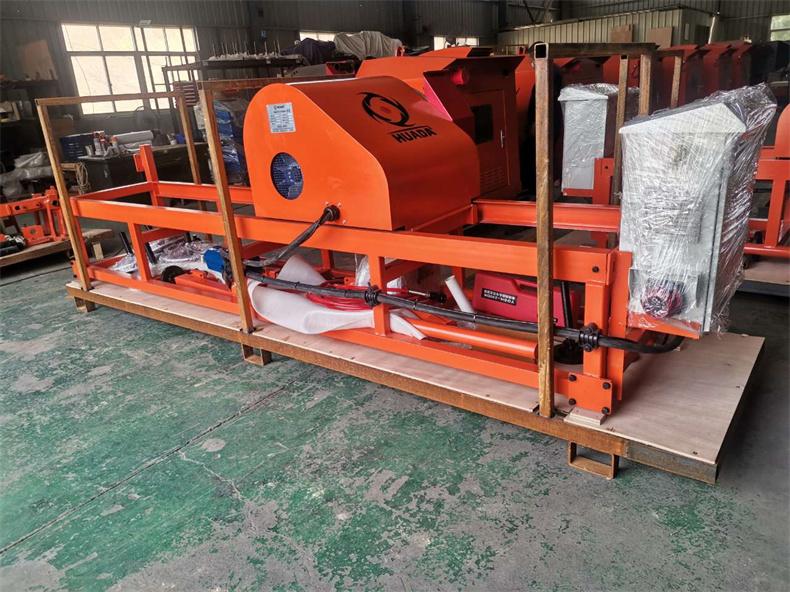

Application fit for “Exploring the Applications of Concrete Demolition Diamond Wire” depends on member dimensions, reinforcement, access, cut sequence, lifting plan, utilities and slurry control. Confirm the proposed reinforced concrete cutting equipment with a representative trial or documented reference before scaling the process.
Technical context for Exploring the Applications of Concrete Demolition Diamond Wire
Exploring the Applications of Concrete Demolition Diamond Wire
Introduction
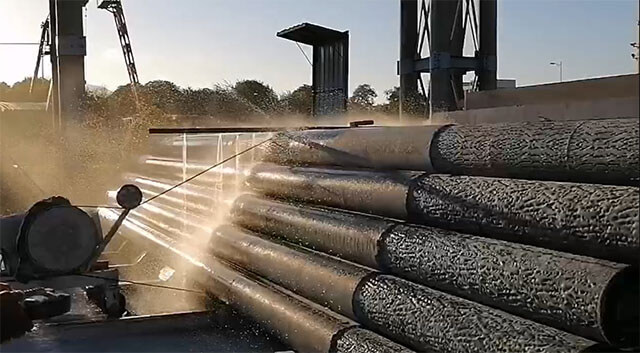
The construction industry heavily relies on various materials, and one of the most commonly used materials is concrete. However, there are instances where concrete structures need to be demolished or removed. In such cases, the use of a concrete demolition diamond wire has emerged as an efficient and effective method. This article aims to explore the applications of concrete demolition diamond wire and its benefits in the construction industry.
1. Demolition of Reinforced Concrete Structures
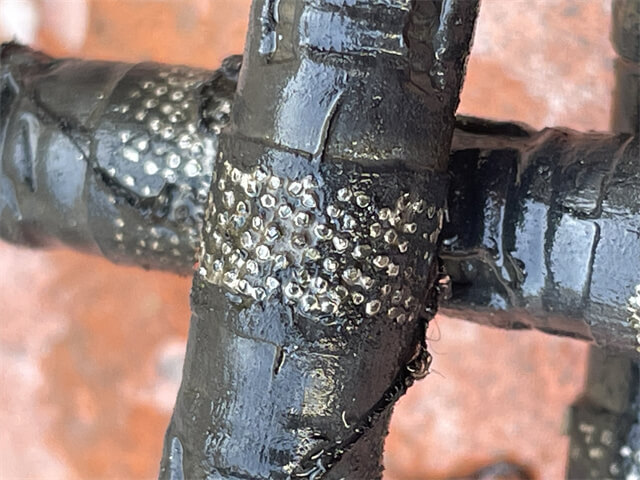
Reinforced concrete structures pose a significant challenge when it comes to demolition due to the presence of steel reinforcement. Traditional methods of concrete removal often involve heavy machinery or manual labor, which can be time-consuming, costly, and may result in structural damage. However, with the advent of concrete demolition diamond wire, the process has become more streamlined. The diamond wire, embedded with industrial-grade diamonds, can cut through reinforced concrete effortlessly, allowing for precision and controlled demolition. This method minimizes the risk of structural damage and reduces the need for additional repairs.
2. Cutting and Shaping Concrete Blocks
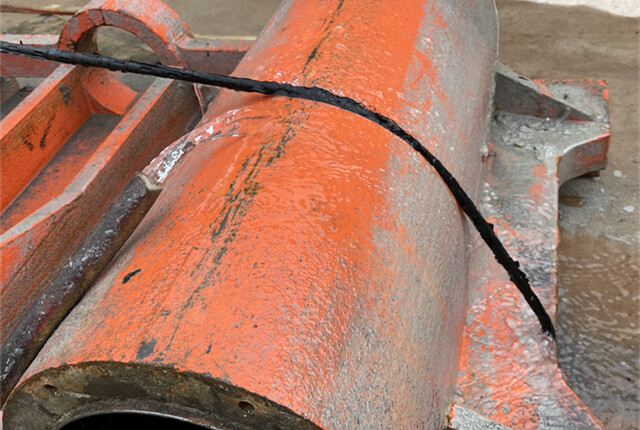
In construction projects, there is often a need to cut or shape concrete blocks to fit specific dimensions or design requirements. Concrete demolition diamond wire provides a versatile solution for this task. The diamond wire can be used with specialized cutting machines to slice through concrete blocks smoothly and accurately. Whether it is creating precise angles or intricate shapes, the diamond wire ensures clean cuts without causing unnecessary vibrations or cracks that could compromise the integrity of the structure. This application is particularly useful when working on architectural elements or building facades that require meticulous attention to detail.
3. Removing Concrete from Surfaces
When existing concrete needs to be removed from surfaces, such as floors or walls, the use of a concrete demolition diamond wire offers a more effective alternative to traditional methods. The wire can easily glide through the surface, removing the concrete layer without damaging the underlying structure. This application is particularly advantageous in renovation or refurbishment projects where preserving the integrity of the existing structure is crucial. Additionally, the diamond wire's precision and control minimize the generation of dust and debris, creating a safer working environment for construction teams.
Conclusion
The applications of concrete demolition diamond wire in the construction industry are vast and varied. From demolishing reinforced concrete structures to cutting and shaping concrete blocks and removing concrete from surfaces, this innovative tool has revolutionized the way concrete work is carried out. Its precision, efficiency, and ability to minimize structural damage make it an invaluable asset in construction projects. As the industry continues to evolve, the use of concrete demolition diamond wire will likely become even more widespread, further enhancing productivity and safety in the construction sector.
Control the main operating risk
The recurring risk in “Exploring the Applications of Concrete Demolition Diamond Wire” is starting the cut before services, reinforcement, support, lifting and released-section weight are confirmed. Set a stop condition, assign who checks the machine and tool, and keep changes traceable. If the result moves outside the agreed window, investigate the material, alignment, tooling and utilities before adding load or speed.
Define the application before comparing equipment
For “Exploring the Applications of Concrete Demolition Diamond Wire,” write down member dimensions, reinforcement, access, cut sequence, lifting plan, utilities and slurry control. This separates a real project requirement from a search phrase and gives every supplier the same boundary. The proposed reinforced concrete cutting equipment can then be checked against the material, site and required result instead of being accepted by name alone.
Use evidence that can be retained
A practical review of “Exploring the Applications of Concrete Demolition Diamond Wire” should retain a survey, engineered cutting plan, equipment schedule, lifting method and site acceptance record. Photographs and brochures help identify the offered configuration, but they do not replace a test condition, measured result or signed scope. Record settings for tool speed, feed, cooling, anchoring, exclusion zones and the sequence used to release each section so the accepted result can be repeated.
Decision and acceptance table
| Decision point | What to define | Evidence to keep |
|---|---|---|
| Application | member dimensions, reinforcement, access, cut sequence, lifting plan, utilities and slurry control | Written job or product brief |
| Operating window | tool speed, feed, cooling, anchoring, exclusion zones and the sequence used to release each section | Recorded trial settings and observations |
| Acceptance | a survey, engineered cutting plan, equipment schedule, lifting method and site acceptance record | Signed sample, cut record or inspection note |
| Risk control | starting the cut before services, reinforcement, support, lifting and released-section weight are confirmed | Named corrective action and stop condition |
Buyer and operator checklist
- Material and cut or hole dimensions for Exploring the Applications of Concrete Demolition Diamond Wire
- Offered reinforced concrete cutting equipment configuration and included tooling
- Power, water, compressed air, access and lifting requirements
- Settings and checks covering tool speed, feed, cooling, anchoring, exclusion zones and the sequence used to release each section
- Factory or site acceptance method and responsible people
- Training, critical spares, manuals and service response boundary
Frequently asked questions
What should be confirmed first for Exploring the Applications of Concrete Demolition Diamond Wire?
For Exploring the Applications of Concrete Demolition Diamond Wire, start with member dimensions, reinforcement, access, cut sequence, lifting plan, utilities and slurry control. Those inputs determine whether the proposed reinforced concrete cutting equipment and tool are relevant.
How should performance for Exploring the Applications of Concrete Demolition Diamond Wire be verified?
For Exploring the Applications of Concrete Demolition Diamond Wire, use a survey, engineered cutting plan, equipment schedule, lifting method and site acceptance record. Keep the material, operating conditions and acceptance criteria with the result.
Which settings matter during Exploring the Applications of Concrete Demolition Diamond Wire?
For Exploring the Applications of Concrete Demolition Diamond Wire, record tool speed, feed, cooling, anchoring, exclusion zones and the sequence used to release each section. A result without its settings is difficult to reproduce or compare.
When should work on Exploring the Applications of Concrete Demolition Diamond Wire be paused?
For Exploring the Applications of Concrete Demolition Diamond Wire, pause when the workpiece, support, guarding, utilities or cutting condition is unsafe, or when starting the cut before services, reinforcement, support, lifting and released-section weight are confirmed is observed.