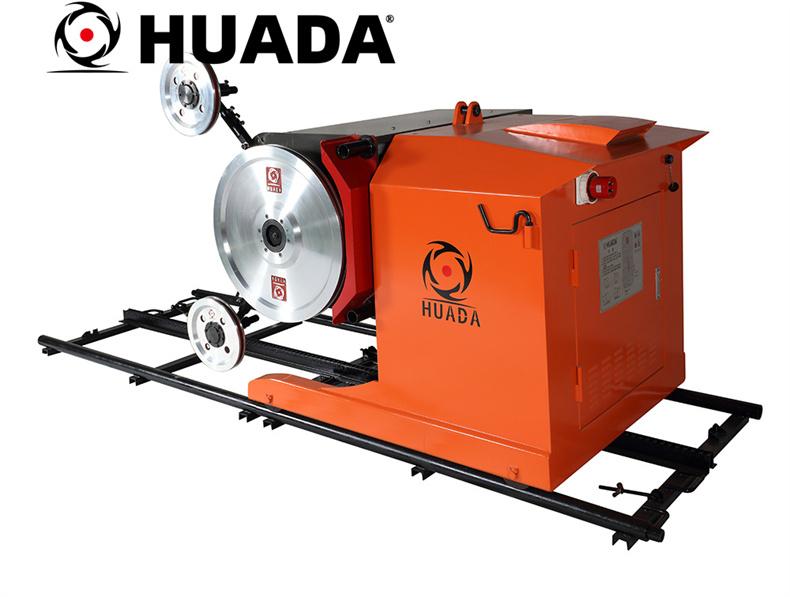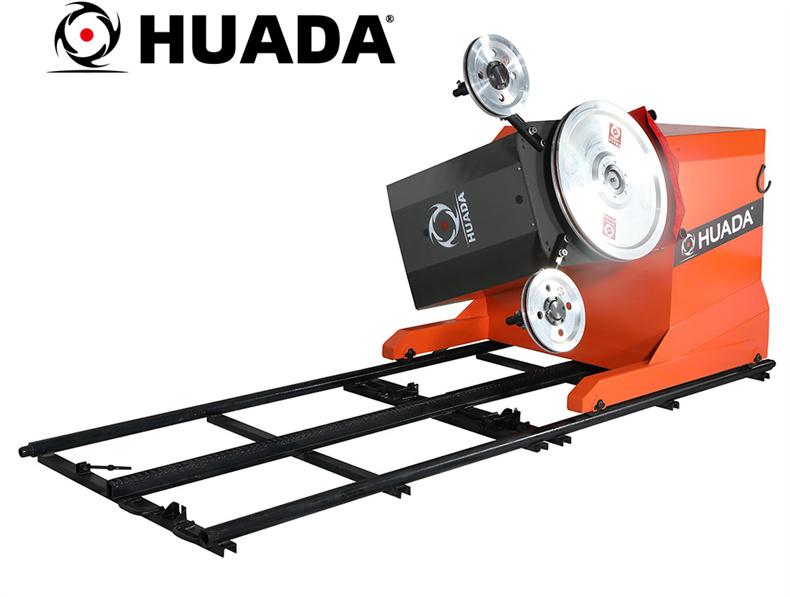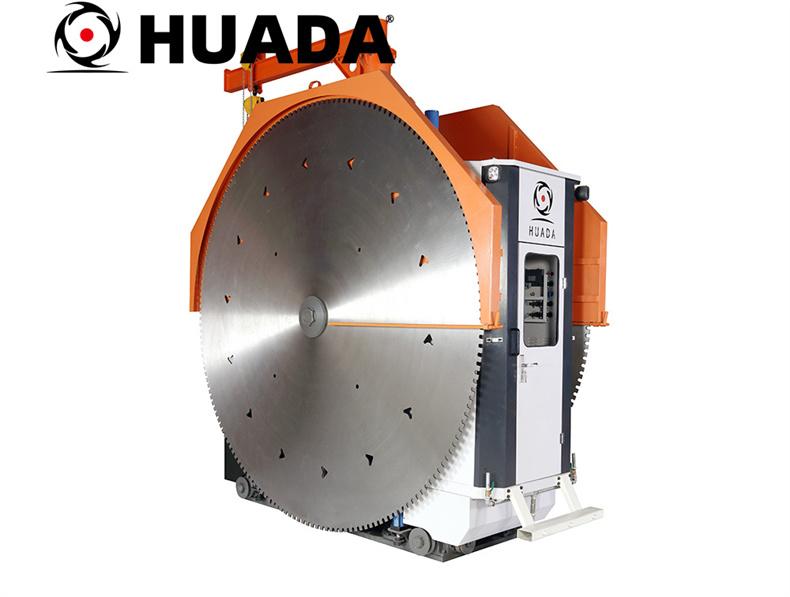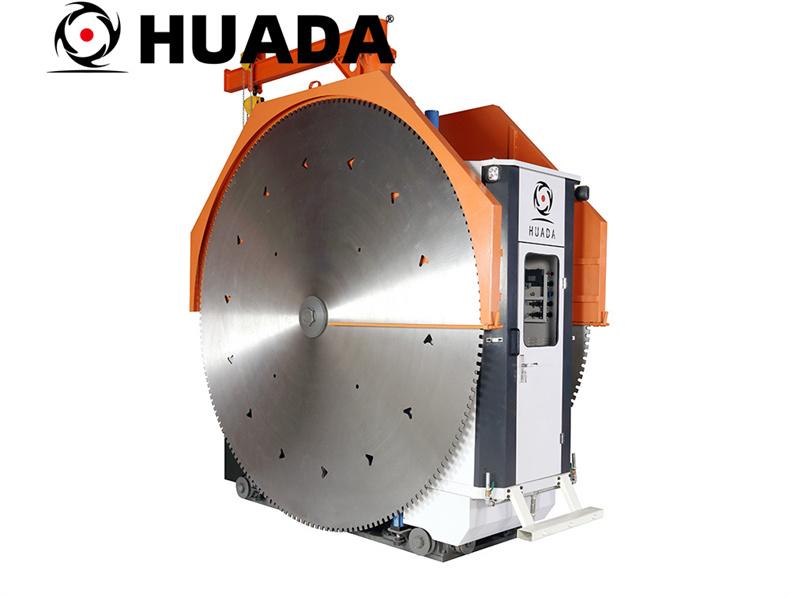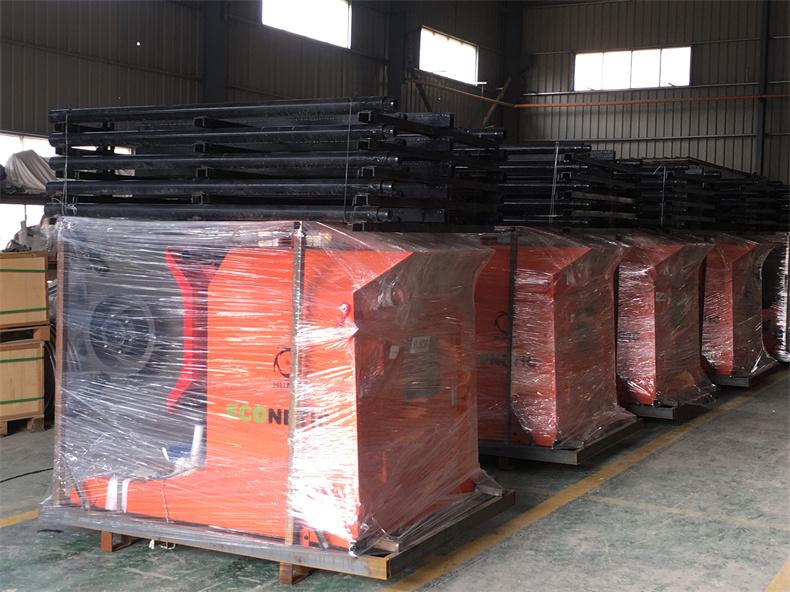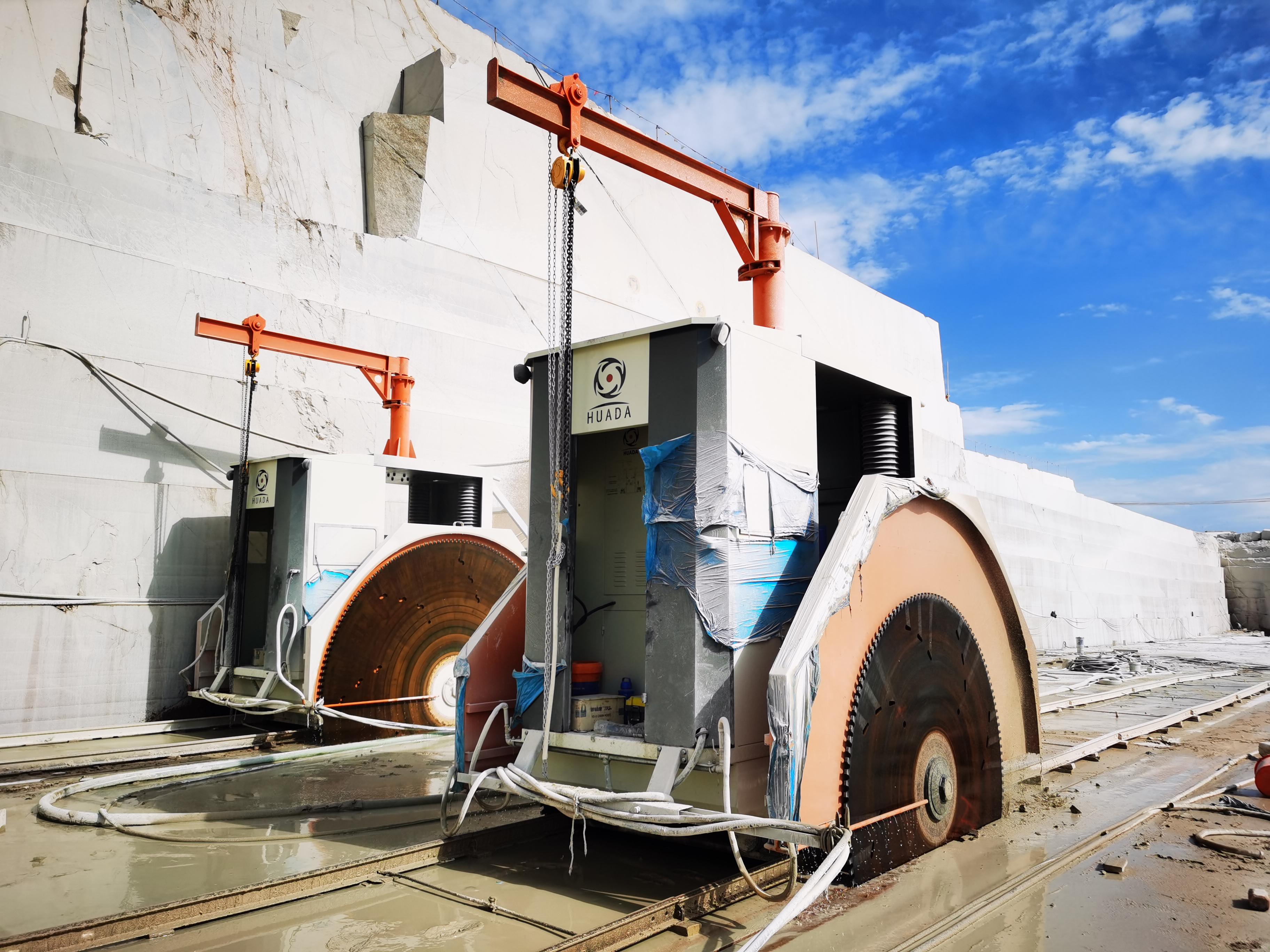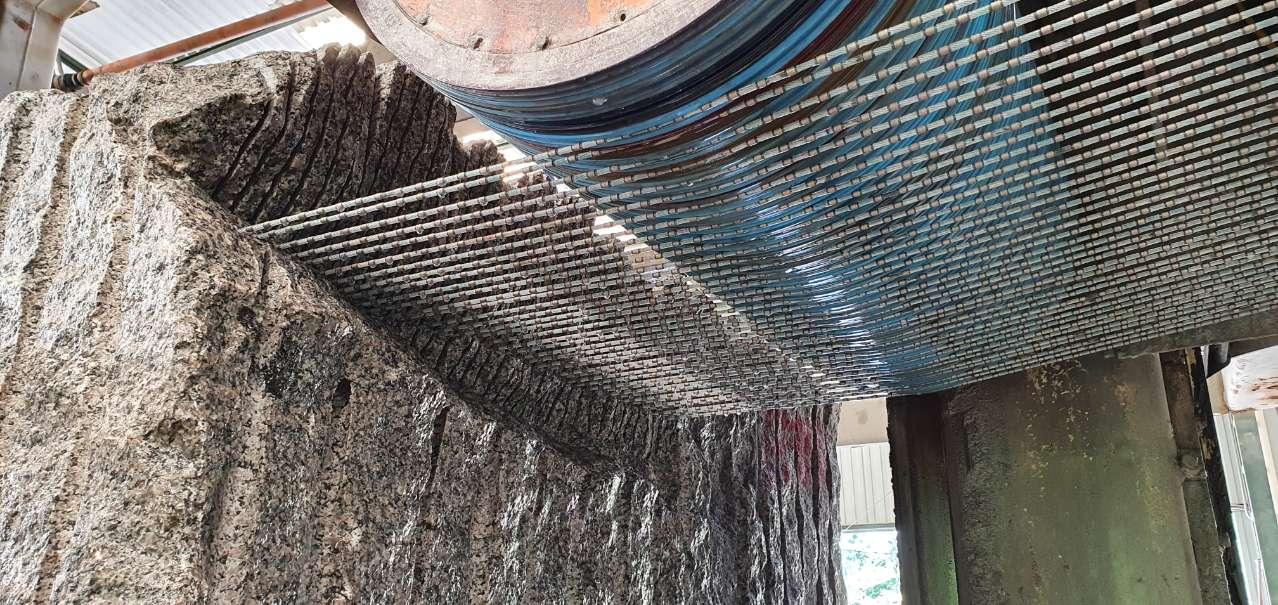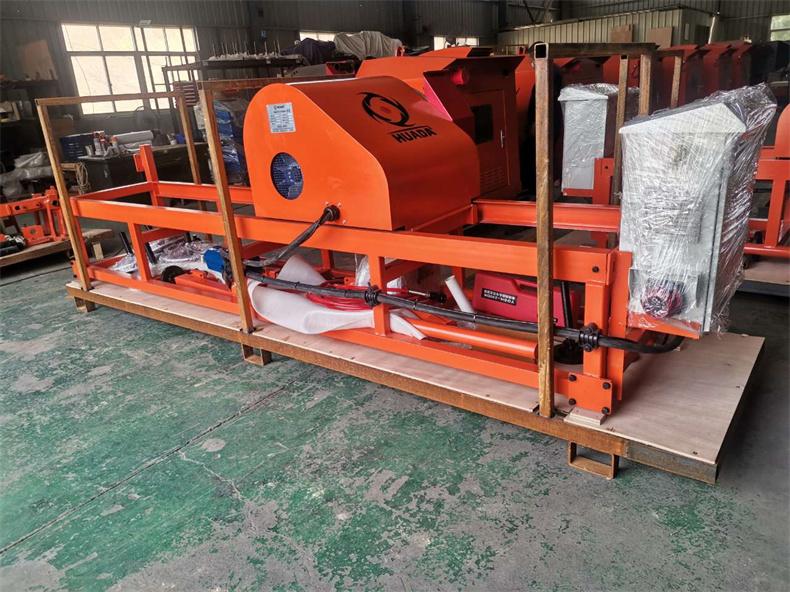

Use “Essential Product Knowledge for Concrete Demolition Saw” as a decision brief for a reinforced concrete cutting equipment: define member dimensions, reinforcement, access, cut sequence, lifting plan, utilities and slurry control, verify tool speed, feed, cooling, anchoring, exclusion zones and the sequence used to release each section and retain a survey, engineered cutting plan, equipment schedule, lifting method and site acceptance record before approval.
Technical context for Essential Product Knowledge for Concrete Demolition Saw
The concrete demolition saw is an essential tool in the stone industry, specifically for cutting through concrete and other tough materials. Whether you are a professional working in construction or a DIY enthusiast, having a solid understanding of the product's features and capabilities is crucial to ensure safe and efficient operation. In this article, we will explore the essential product knowledge for concrete demolition saws, including their types, cutting techniques, and maintenance.
Types of Concrete Demolition Saws
Concrete demolition saws come in various types, each designed for specific applications. The most common types include:
1. Handheld Concrete Saws: These portable saws are lightweight and versatile, ideal for small-scale projects or areas with limited access. They are operated by hand, providing precise control over the cutting process.
2. Walk-Behind Concrete Saws: Suitable for larger projects, walk-behind saws feature a self-propelled design and can cut through thick slabs of concrete with ease. They are equipped with diamond blades and adjustable cutting depths.
3. Ring Saws: This type of saw utilizes a circular blade on a track-mounted system, allowing for precise and deep cuts. Ring saws are commonly used for creating openings in walls, floors, or other concrete structures.
Cutting Techniques
When operating a concrete demolition saw, it is important to use proper cutting techniques to ensure optimal results and safety. Here are some key techniques to keep in mind:
1. Marking and Planning: Before starting the cutting process, carefully measure and mark the desired cutting line on the concrete surface. This ensures accuracy and prevents unnecessary mistakes.
2. Personal Protective Equipment (PPE): Always wear appropriate PPE, including safety goggles, ear defenders, gloves, and a respiratory mask. Concrete cutting produces dust and noise, which can be harmful if proper precautions are not taken.
3. Positioning and Stability: Maintain a stable and secure position while operating the demolition saw. Firmly grip the handles and position yourself in a way that allows for maximum control and balance.
4. Cutting Technique: Start the saw and gently lower the blade onto the marked cutting line. Apply consistent pressure and let the tool do the work. Avoid forcing the blade, as it can lead to overheating, decreased cutting efficiency, and potential injury.
Maintenance Tips
Proper maintenance of your concrete demolition saw is essential for its longevity and optimal performance. Consider the following maintenance tips:
1. Regular Cleaning: After each use, clean the saw thoroughly to remove dust, debris, and any build-up. Use compressed air or a brush to clean hard-to-reach areas.
2. Blade Inspection: Check the condition of the diamond blade regularly. Look for signs of wear, cracks, or missing segments. Replace the blade if it is damaged or worn out, as using a dull blade can lead to ineffective cutting and potential accidents.
3. Lubrication: Keep the saw's moving parts well-lubricated to ensure smooth operation. Refer to the manufacturer's guidelines for the recommended lubricants and intervals for lubrication.
4. Storage: Store the saw in a clean and dry environment, away from moisture and extreme temperatures. Protect the blade with a cover to prevent damage and ensure safety during storage.
In conclusion,
having essential product knowledge for a concrete demolition saw is vital for anyone working in the stone industry or engaging in construction projects. Understanding the different types of saws, employing proper cutting techniques, and maintaining the tool will help ensure efficient and safe operation. By following these guidelines, you can achieve accurate cuts and extend the lifespan of your concrete demolition saw.
Define the application before comparing equipment
For “Essential Product Knowledge for Concrete Demolition Saw,” write down member dimensions, reinforcement, access, cut sequence, lifting plan, utilities and slurry control. This separates a real project requirement from a search phrase and gives every supplier the same boundary. The proposed reinforced concrete cutting equipment can then be checked against the material, site and required result instead of being accepted by name alone.
Use evidence that can be retained
A practical review of “Essential Product Knowledge for Concrete Demolition Saw” should retain a survey, engineered cutting plan, equipment schedule, lifting method and site acceptance record. Photographs and brochures help identify the offered configuration, but they do not replace a test condition, measured result or signed scope. Record settings for tool speed, feed, cooling, anchoring, exclusion zones and the sequence used to release each section so the accepted result can be repeated.
Control the main operating risk
The recurring risk in “Essential Product Knowledge for Concrete Demolition Saw” is starting the cut before services, reinforcement, support, lifting and released-section weight are confirmed. Set a stop condition, assign who checks the machine and tool, and keep changes traceable. If the result moves outside the agreed window, investigate the material, alignment, tooling and utilities before adding load or speed.
Decision and acceptance table
| Decision point | What to define | Evidence to keep |
|---|---|---|
| Application | member dimensions, reinforcement, access, cut sequence, lifting plan, utilities and slurry control | Written job or product brief |
| Operating window | tool speed, feed, cooling, anchoring, exclusion zones and the sequence used to release each section | Recorded trial settings and observations |
| Acceptance | a survey, engineered cutting plan, equipment schedule, lifting method and site acceptance record | Signed sample, cut record or inspection note |
| Risk control | starting the cut before services, reinforcement, support, lifting and released-section weight are confirmed | Named corrective action and stop condition |
Buyer and operator checklist
- Material and cut or hole dimensions for Essential Product Knowledge for Concrete Demolition Saw
- Offered reinforced concrete cutting equipment configuration and included tooling
- Power, water, compressed air, access and lifting requirements
- Settings and checks covering tool speed, feed, cooling, anchoring, exclusion zones and the sequence used to release each section
- Factory or site acceptance method and responsible people
- Training, critical spares, manuals and service response boundary
Frequently asked questions
What should be confirmed first for Essential Product Knowledge for Concrete Demolition Saw?
For Essential Product Knowledge for Concrete Demolition Saw, start with member dimensions, reinforcement, access, cut sequence, lifting plan, utilities and slurry control. Those inputs determine whether the proposed reinforced concrete cutting equipment and tool are relevant.
How should performance for Essential Product Knowledge for Concrete Demolition Saw be verified?
For Essential Product Knowledge for Concrete Demolition Saw, use a survey, engineered cutting plan, equipment schedule, lifting method and site acceptance record. Keep the material, operating conditions and acceptance criteria with the result.
Which settings matter during Essential Product Knowledge for Concrete Demolition Saw?
For Essential Product Knowledge for Concrete Demolition Saw, record tool speed, feed, cooling, anchoring, exclusion zones and the sequence used to release each section. A result without its settings is difficult to reproduce or compare.
When should work on Essential Product Knowledge for Concrete Demolition Saw be paused?
For Essential Product Knowledge for Concrete Demolition Saw, pause when the workpiece, support, guarding, utilities or cutting condition is unsafe, or when starting the cut before services, reinforcement, support, lifting and released-section weight are confirmed is observed.