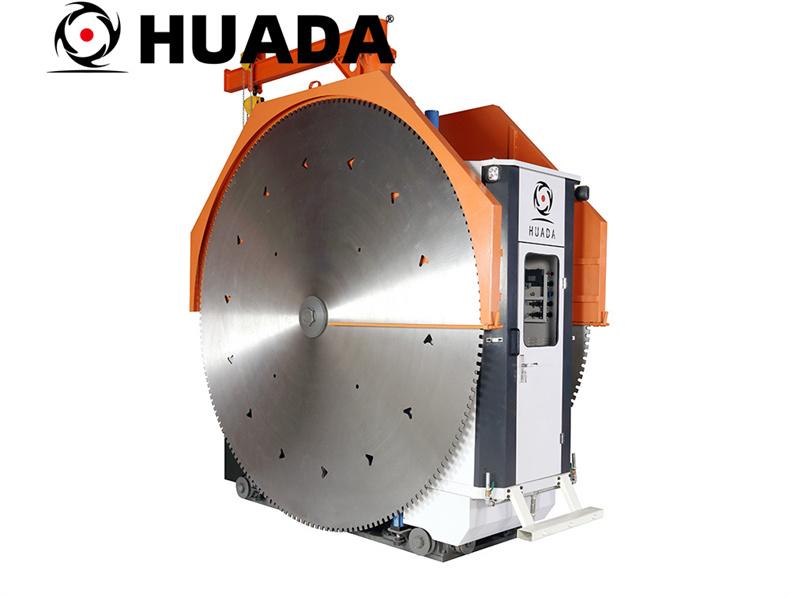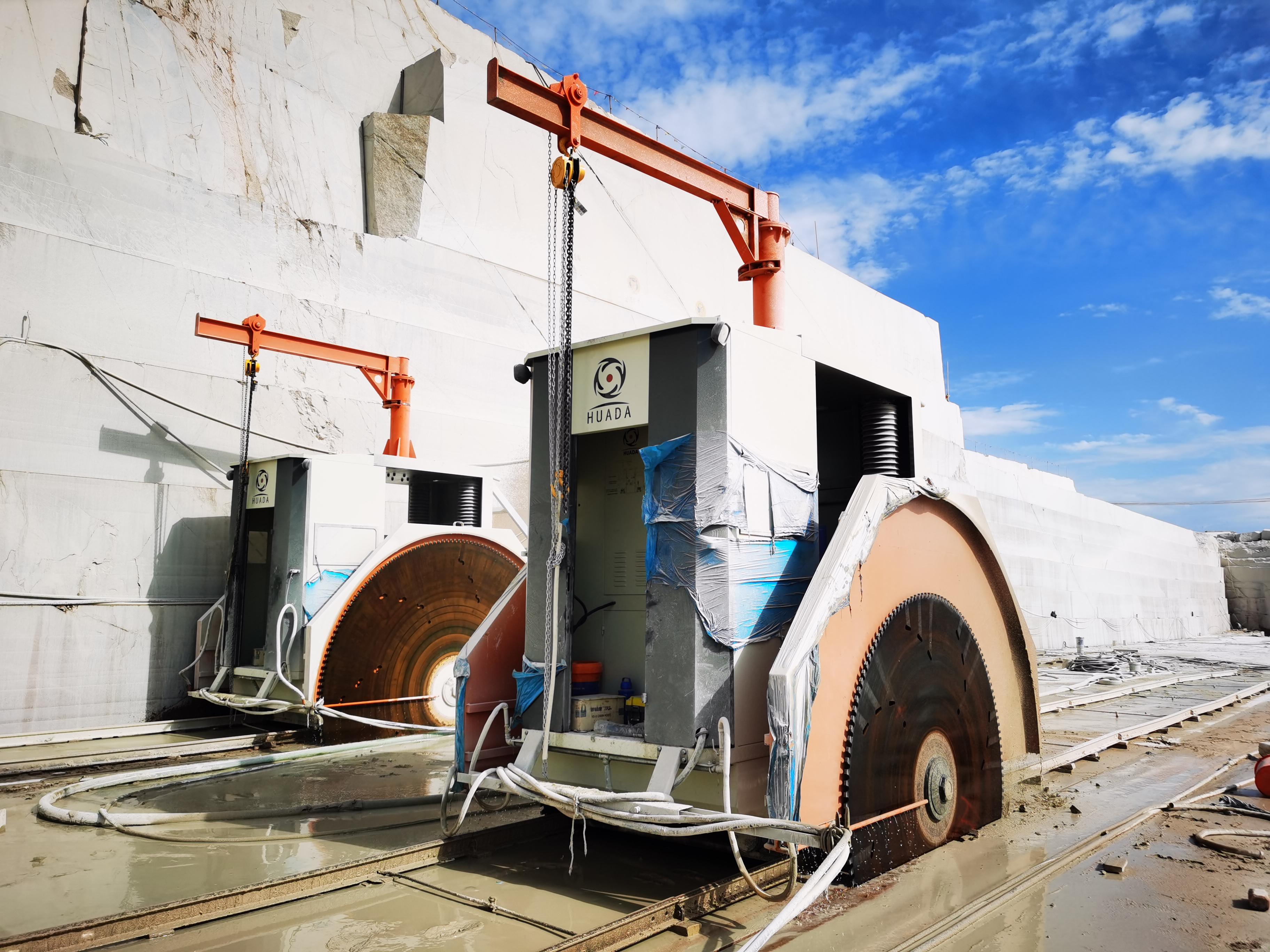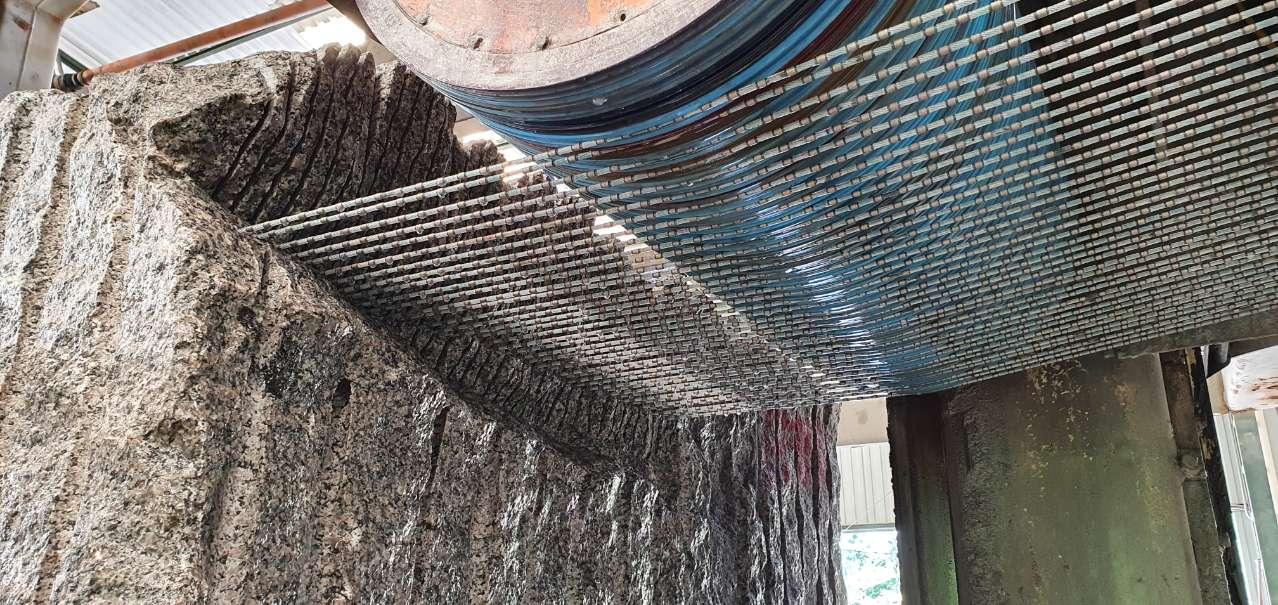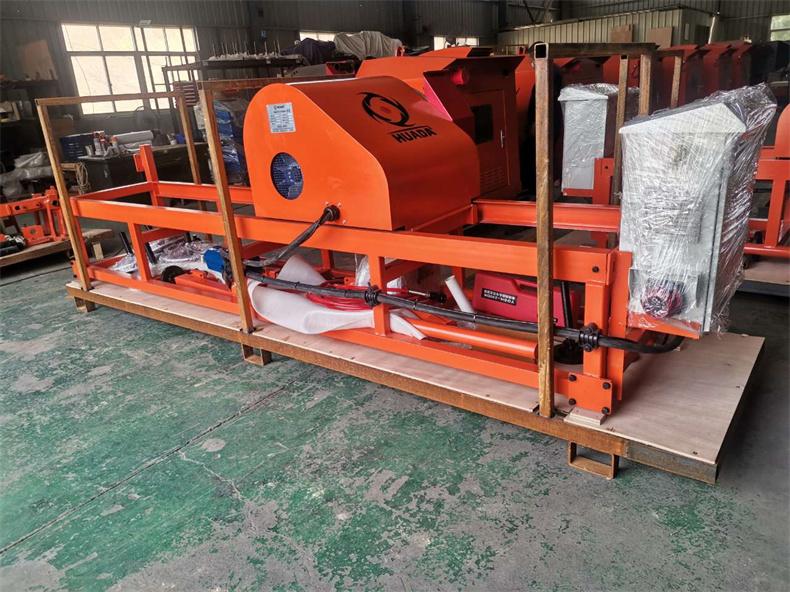

The historical page names several double-blade quarrying-machine features, but it binds none of them to a current Huada model or engineering record. Each characteristic is therefore presented as a verification card: an archive term, the claim it cannot prove, and the current evidence that remains missing.
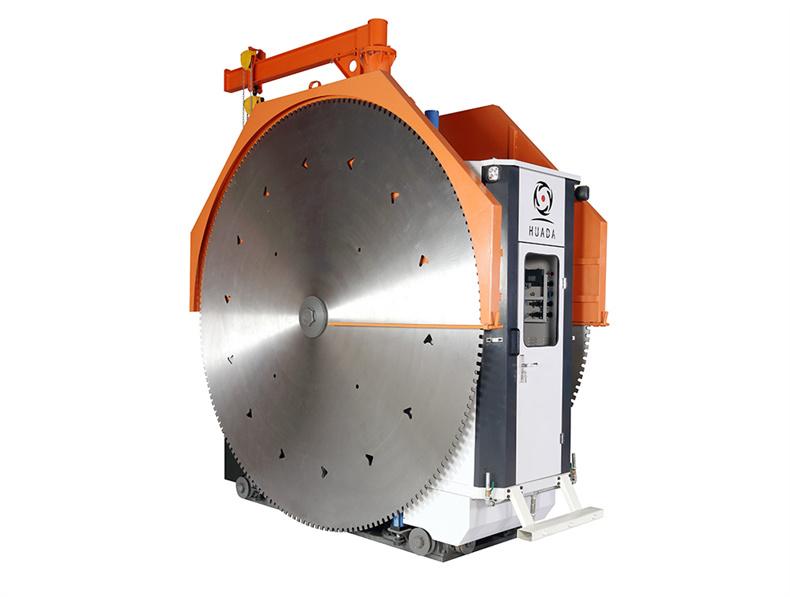
Feature topics retained from the archive
Belt-drive topic
The source names belt drive as a structural topic. It does not identify the arrangement, components, model, load case or current design, so the term cannot be turned into a configuration statement.
Guide-pillar topic
The archive refers to guide pillars. A specific pillar count and any statement about rigidity, movement or accuracy remain held because no model drawing or current technical record is bound.
Frequency-converter control topic
The source mentions frequency-converter control in connection with cutting. It provides no control architecture, operating envelope or identified machine, and therefore supports no control-performance conclusion.
Power and control labels need model proof
Permanent-magnet main motor
The term appears in the historical record. No manufacturer record, rating, model association or current product document establishes that it applies to a machine now offered.
Held conclusionNo energy-saving, efficiency, stability or performance claim follows from the motor label.
PLC and frequency-converter protection
The source associates these terms with abnormal-condition handling. It supplies no logic diagram, sensor definition, fault matrix, stopping record or safety certification.
Held conclusionThe archive cannot assure safe stopping, risk reduction or safe operation for any current machine.
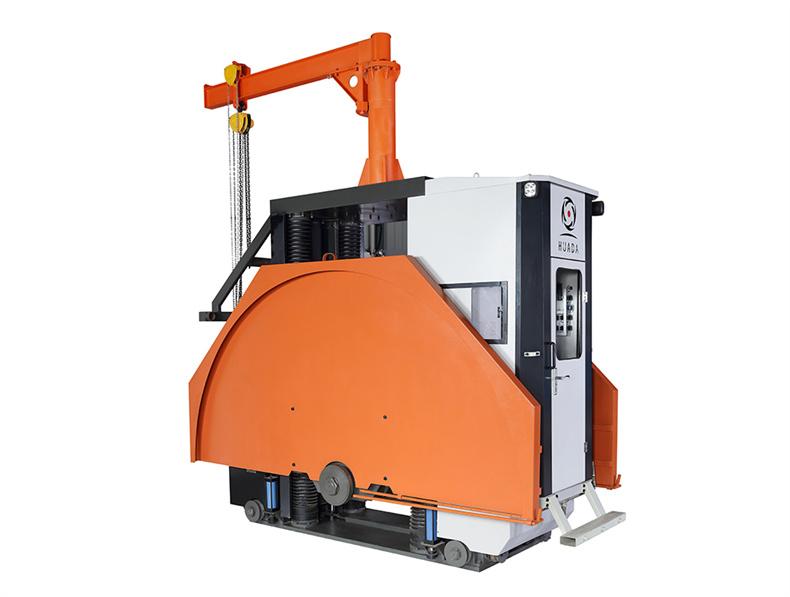
What a current characteristic statement would need
A current statement would require a first-party record tied to an identified machine, such as a model-specific drawing, component schedule, control description or verified protection-function document. None is frozen with this article. This register records the gap; it does not infer a specification from the title, prose or images.
Safety-function boundary
Control and protection words are not evidence that a safety function exists, is complete or achieves a required stopping result. Any safety-related assessment belongs to the current model's validated engineering and safety documentation, not to this historical feature list.