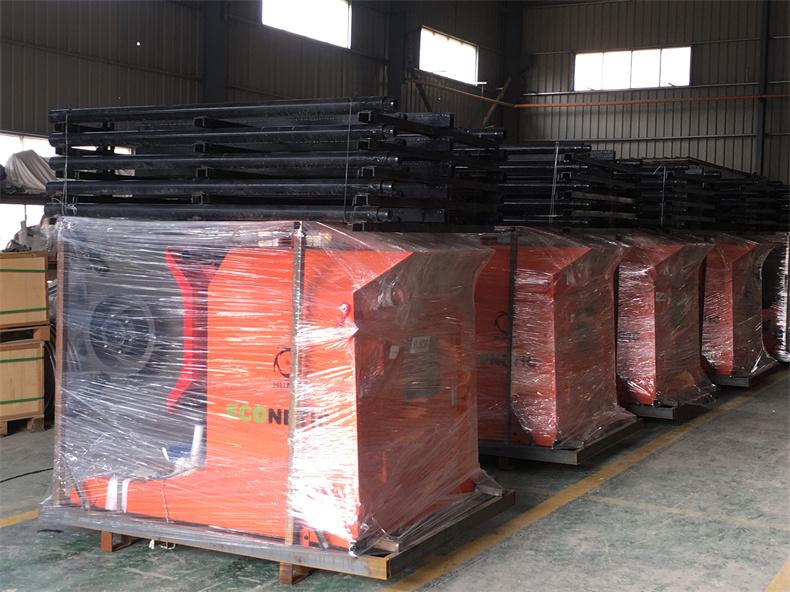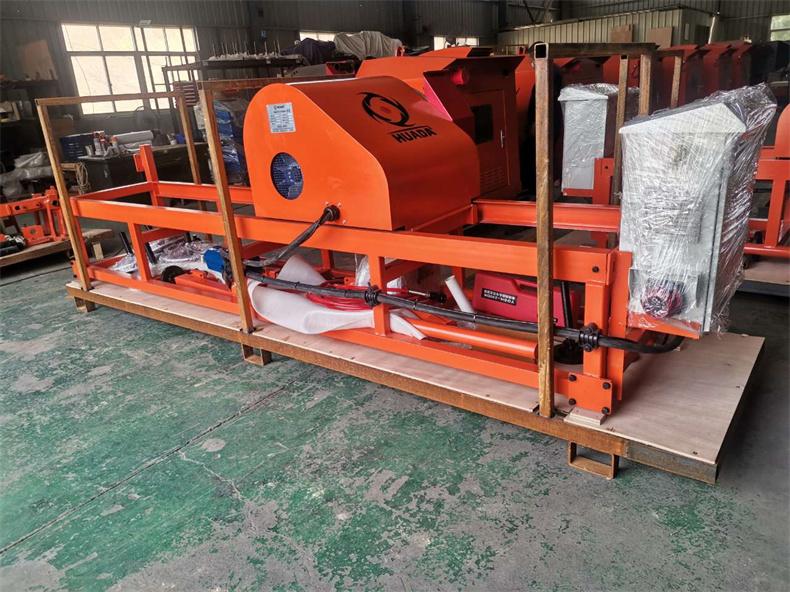

Use “Introduction of diamond wire saw cutting method” as a decision brief for a wire saw machine: define the material, cut size, access, pulley layout, drive power, wire specification and required finish, verify wire speed, feed rate, tension, cooling-water delivery, guide-wheel alignment and cut clearance and retain a representative cut record, wire-consumption notes, surface condition and a configuration drawing before approval.
Technical context for Introduction of diamond wire saw cutting method
As everyone in the stone industry knows, diamond wire saw cutting technology is a safer and more efficient cutting method than traditional demolition technology. Today, let's introduce the method of diamond wire saw cutting
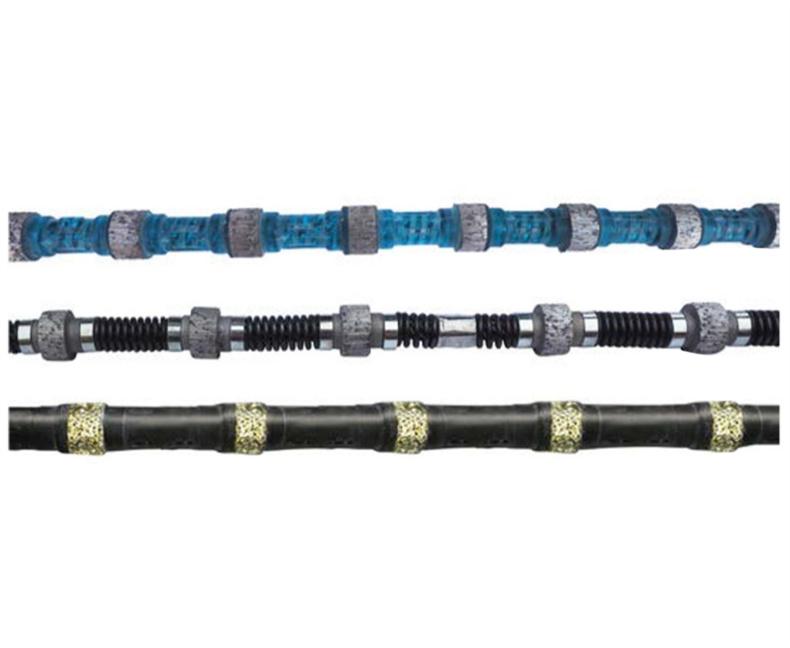
Working principle
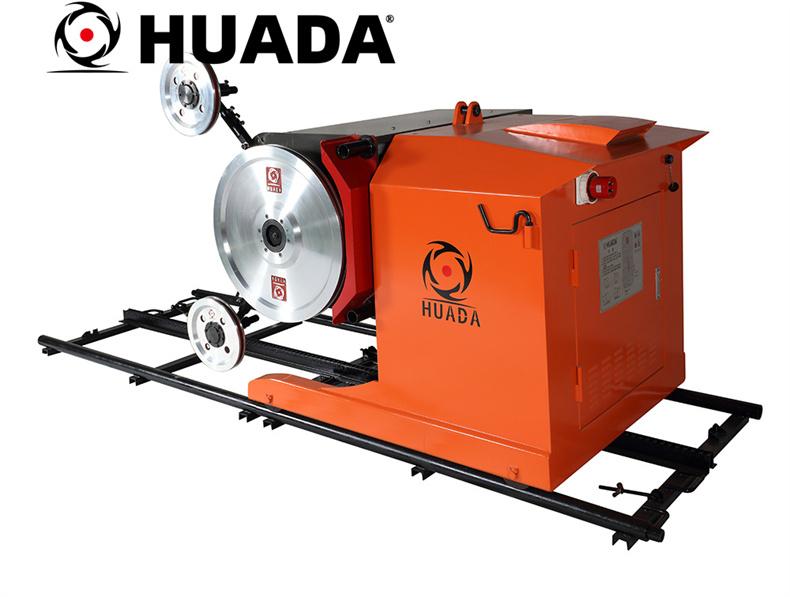
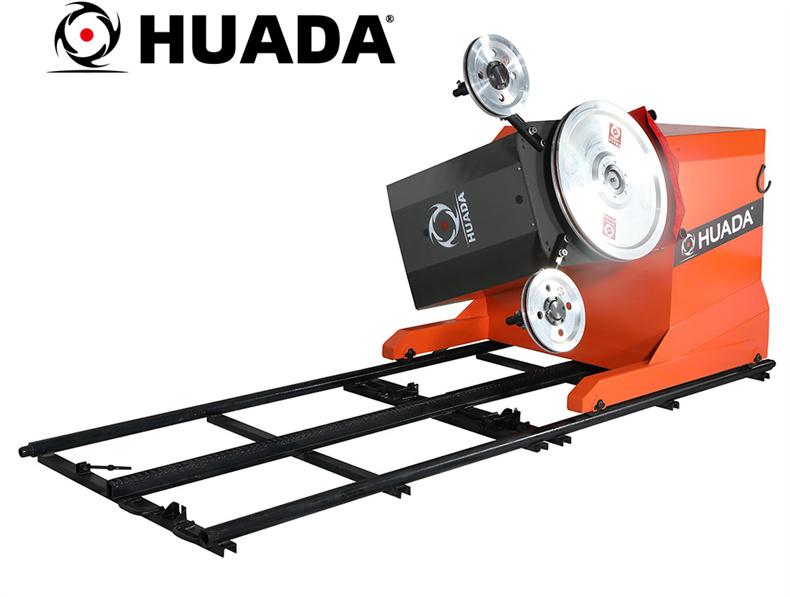
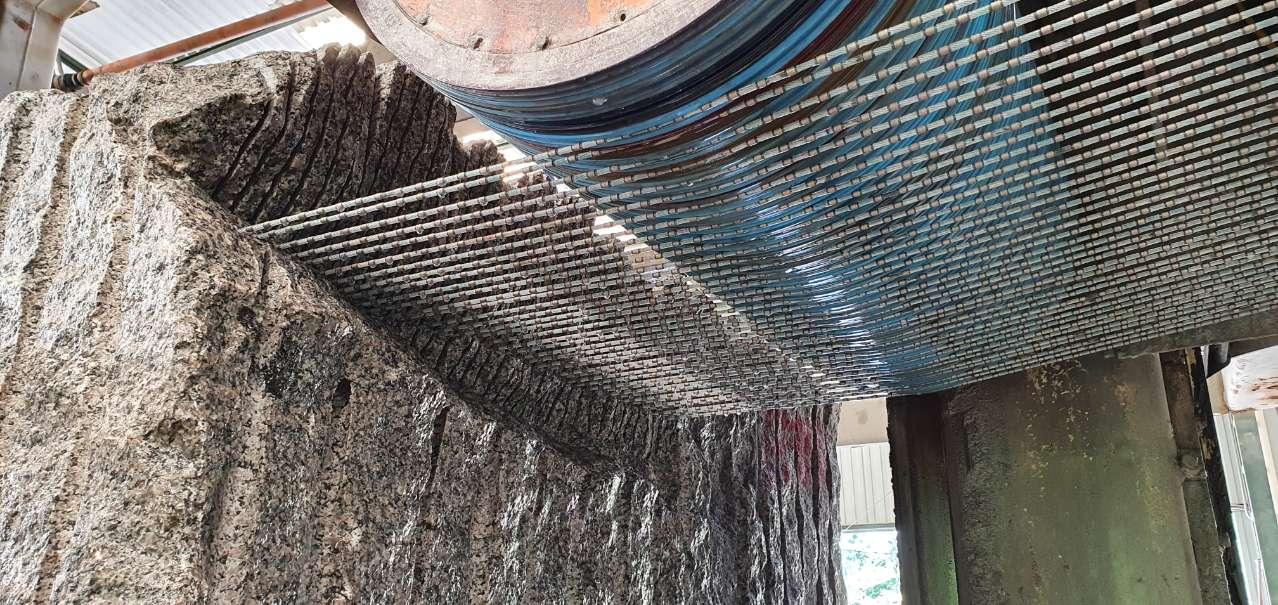
Hydraulic diamond wire saw cutting is driven by hydraulic motor, the diamond wire moves around the cutting surface at high speed to grind the cutting body and complete the cutting work. Due to the use of diamond particles as abrasive material, it can be used to cut stone, reinforced concrete and other hard objects.
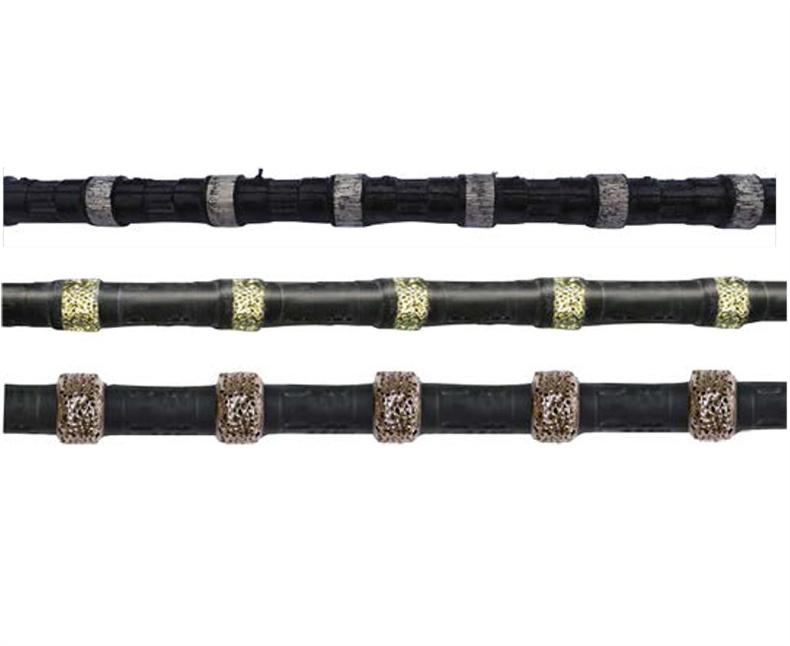
Construction features
a) Because diamond is used as grinding material, any hard object can be cut and separated.
b) The cutting is driven by the hydraulic motor, the hydraulic pump runs smoothly, and the hydraulic motor can be controlled remotely through the high-pressure oil pipe, so the vibration and noise in the cutting process is very small, and the cutting energy can be statically separated in a stable situation.
c) During the cutting process, the high-speed running diamond rope is cooled by water and the grinding debris is taken away. The circulating water produced can be collected and reused.
d) Not limited by the shape and size of the object to be cut, it can be cut in any direction, such as diagonal direction, vertical direction, horizontal direction, etc.
e) The cutting speed and power of hydraulic diamond wire saw are faster than other cutting methods.
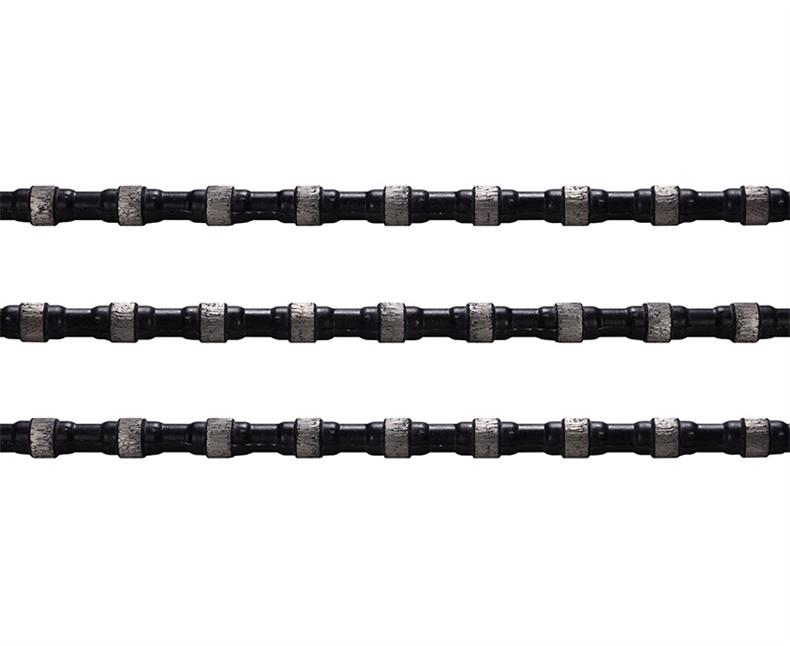
Scope of application
a) Large reinforced concrete structure cutting demolition, such as the whole building cutting demolition.
b) All kinds of reinforced concrete bridge, abutment, pier and foundation cutting demolition.
c) Cutting of underwater structures with high technical difficulty.
d) Cultural relics moving and cutting, cliff stone carving stripping and cutting.
e) Cutting of cylindrical structures, such as tall chimneys.
f) Subway station, nuclear power station and other buildings with special requirements for vibration and noise caused by construction are cut and demolished.
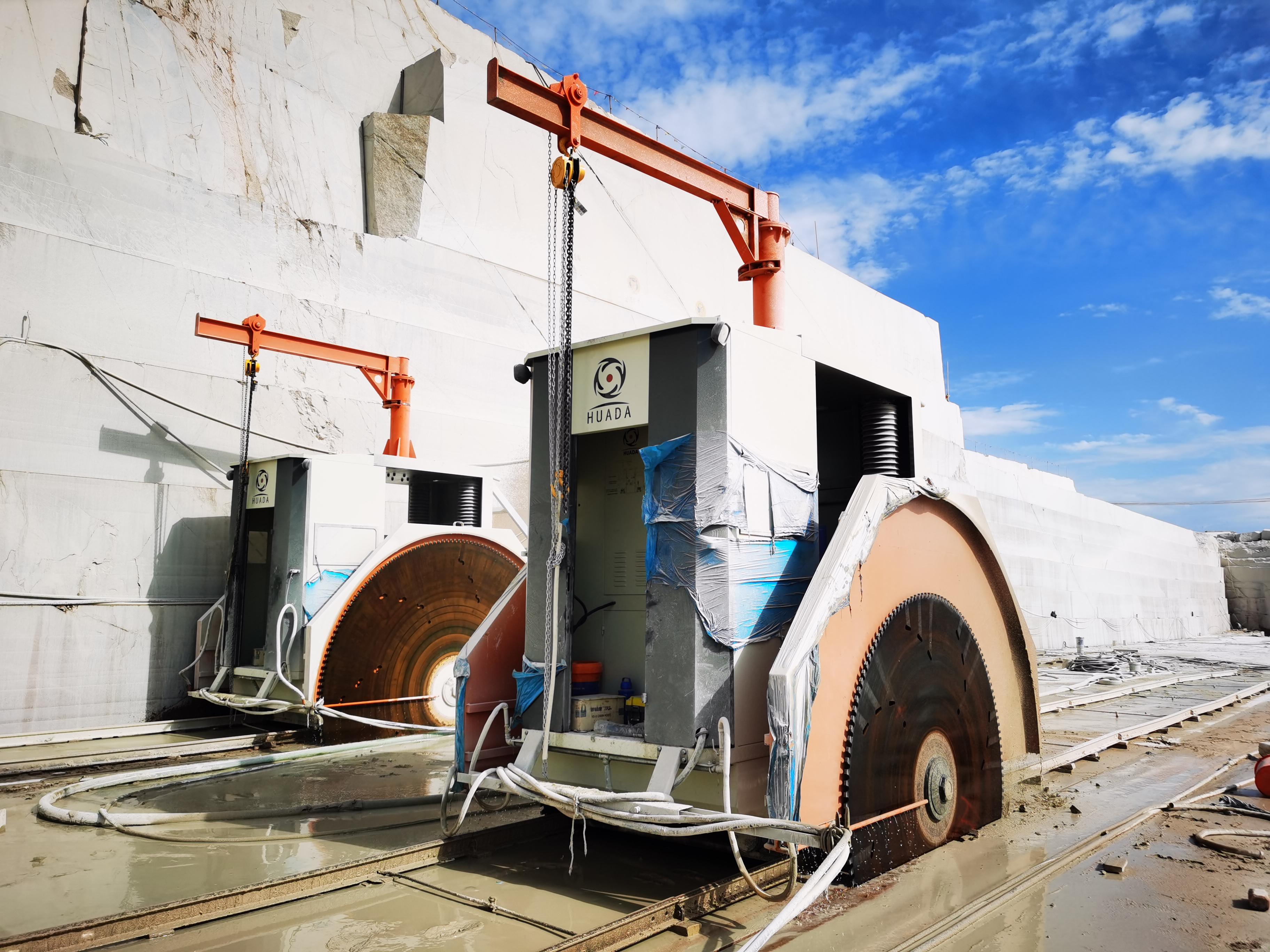
g) Stone quarry mining, processing and cutting.
Technical standards
a) The direction change of the rope is realized by the combined installation of the guide wheel. During the construction process, the installation of the guide wheel and the position relationship in the driving wheel should be skillfully designed to meet the cutting requirements.
b) The wire cutting speed of the rope shall not be less than 18m / s.
c) The quality standard of diamond rope should meet the requirements of the maximum tensile strength in the cutting process.
The above is the diamond wire saw cutting method for you.
Define the application before comparing equipment
For “Introduction of diamond wire saw cutting method,” write down the material, cut size, access, pulley layout, drive power, wire specification and required finish. This separates a real project requirement from a search phrase and gives every supplier the same boundary. The proposed wire saw machine can then be checked against the material, site and required result instead of being accepted by name alone.
Use evidence that can be retained
A practical review of “Introduction of diamond wire saw cutting method” should retain a representative cut record, wire-consumption notes, surface condition and a configuration drawing. Photographs and brochures help identify the offered configuration, but they do not replace a test condition, measured result or signed scope. Record settings for wire speed, feed rate, tension, cooling-water delivery, guide-wheel alignment and cut clearance so the accepted result can be repeated.
Control the main operating risk
The recurring risk in “Introduction of diamond wire saw cutting method” is poor pulley alignment, inadequate cooling, unsuitable wire or an unstable feed setting. Set a stop condition, assign who checks the machine and tool, and keep changes traceable. If the result moves outside the agreed window, investigate the material, alignment, tooling and utilities before adding load or speed.
Decision and acceptance table
| Decision point | What to define | Evidence to keep |
|---|---|---|
| Application | the material, cut size, access, pulley layout, drive power, wire specification and required finish | Written job or product brief |
| Operating window | wire speed, feed rate, tension, cooling-water delivery, guide-wheel alignment and cut clearance | Recorded trial settings and observations |
| Acceptance | a representative cut record, wire-consumption notes, surface condition and a configuration drawing | Signed sample, cut record or inspection note |
| Risk control | poor pulley alignment, inadequate cooling, unsuitable wire or an unstable feed setting | Named corrective action and stop condition |
Buyer and operator checklist
- Material and cut or hole dimensions for Introduction of diamond wire saw cutting method
- Offered wire saw machine configuration and included tooling
- Power, water, compressed air, access and lifting requirements
- Settings and checks covering wire speed, feed rate, tension, cooling-water delivery, guide-wheel alignment and cut clearance
- Factory or site acceptance method and responsible people
- Training, critical spares, manuals and service response boundary
Frequently asked questions
What should be confirmed first for Introduction of diamond wire saw cutting method?
For Introduction of diamond wire saw cutting method, start with the material, cut size, access, pulley layout, drive power, wire specification and required finish. Those inputs determine whether the proposed wire saw machine and tool are relevant.
How should performance for Introduction of diamond wire saw cutting method be verified?
For Introduction of diamond wire saw cutting method, use a representative cut record, wire-consumption notes, surface condition and a configuration drawing. Keep the material, operating conditions and acceptance criteria with the result.
Which settings matter during Introduction of diamond wire saw cutting method?
For Introduction of diamond wire saw cutting method, record wire speed, feed rate, tension, cooling-water delivery, guide-wheel alignment and cut clearance. A result without its settings is difficult to reproduce or compare.
When should work on Introduction of diamond wire saw cutting method be paused?
For Introduction of diamond wire saw cutting method, pause when the workpiece, support, guarding, utilities or cutting condition is unsafe, or when poor pulley alignment, inadequate cooling, unsuitable wire or an unstable feed setting is observed.