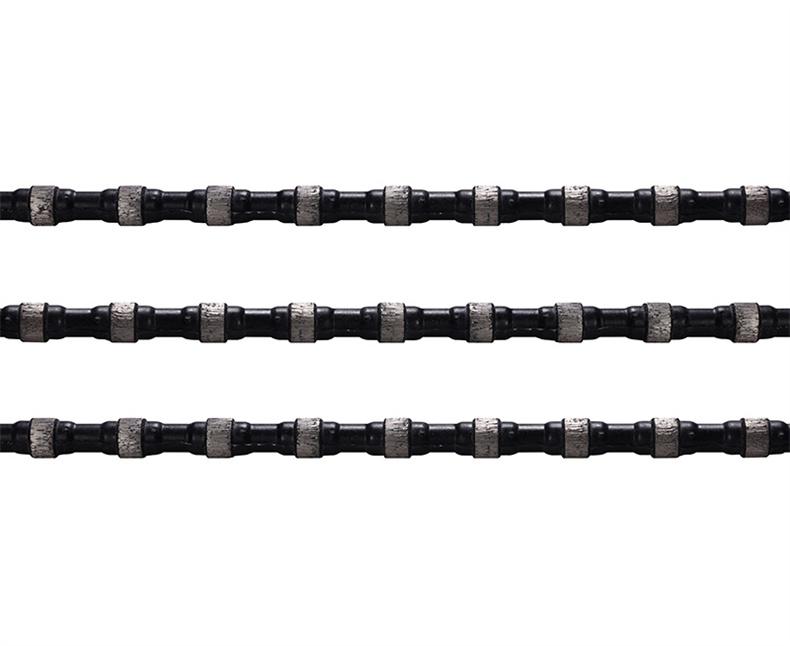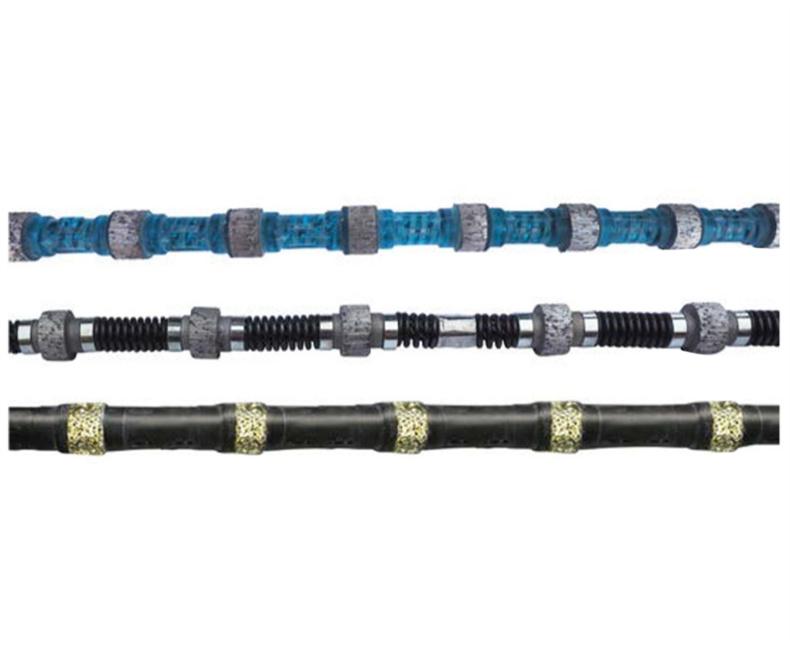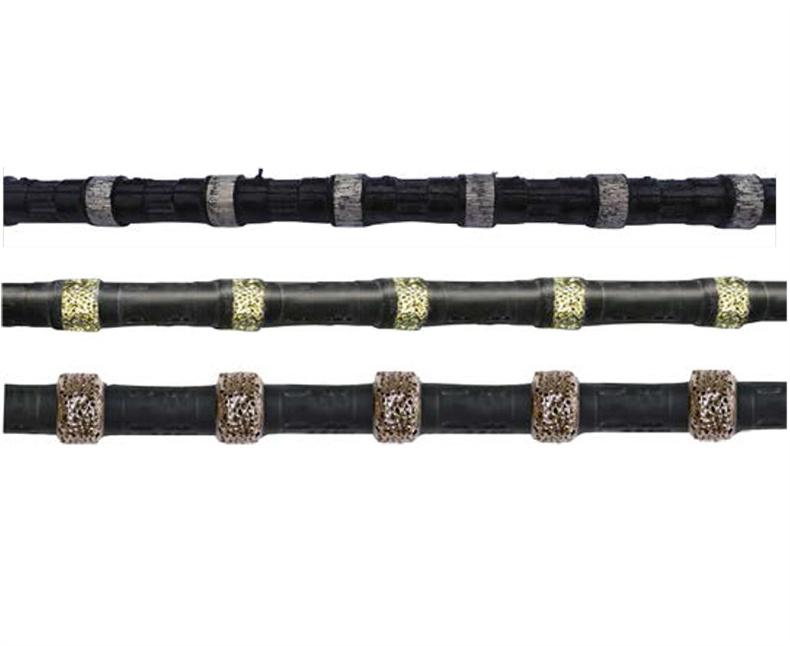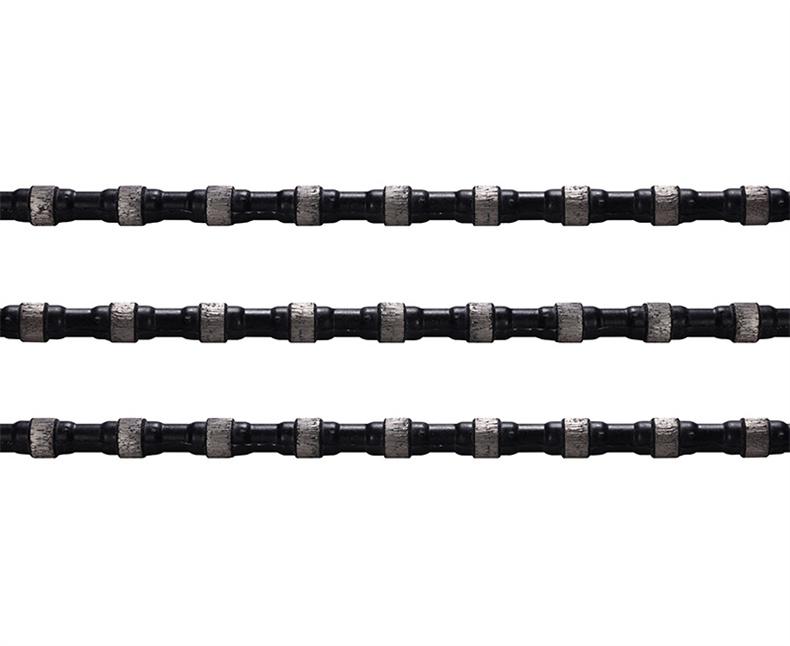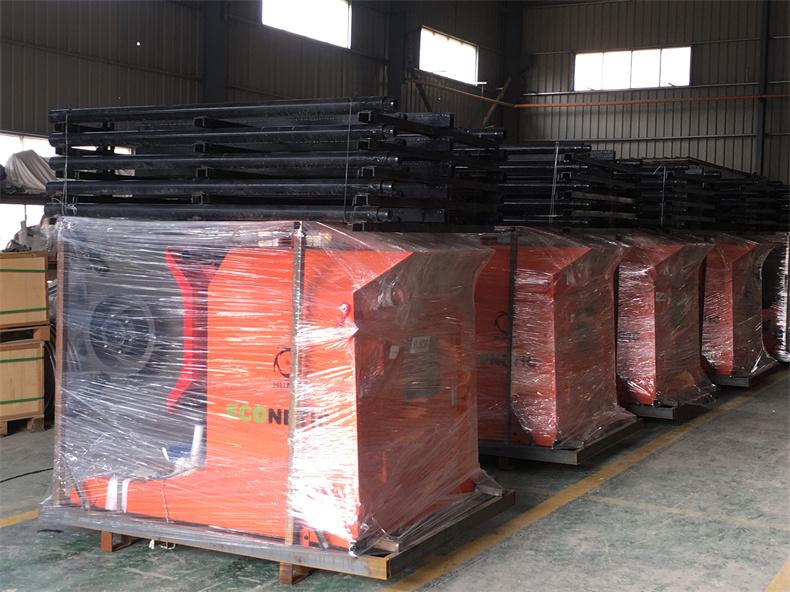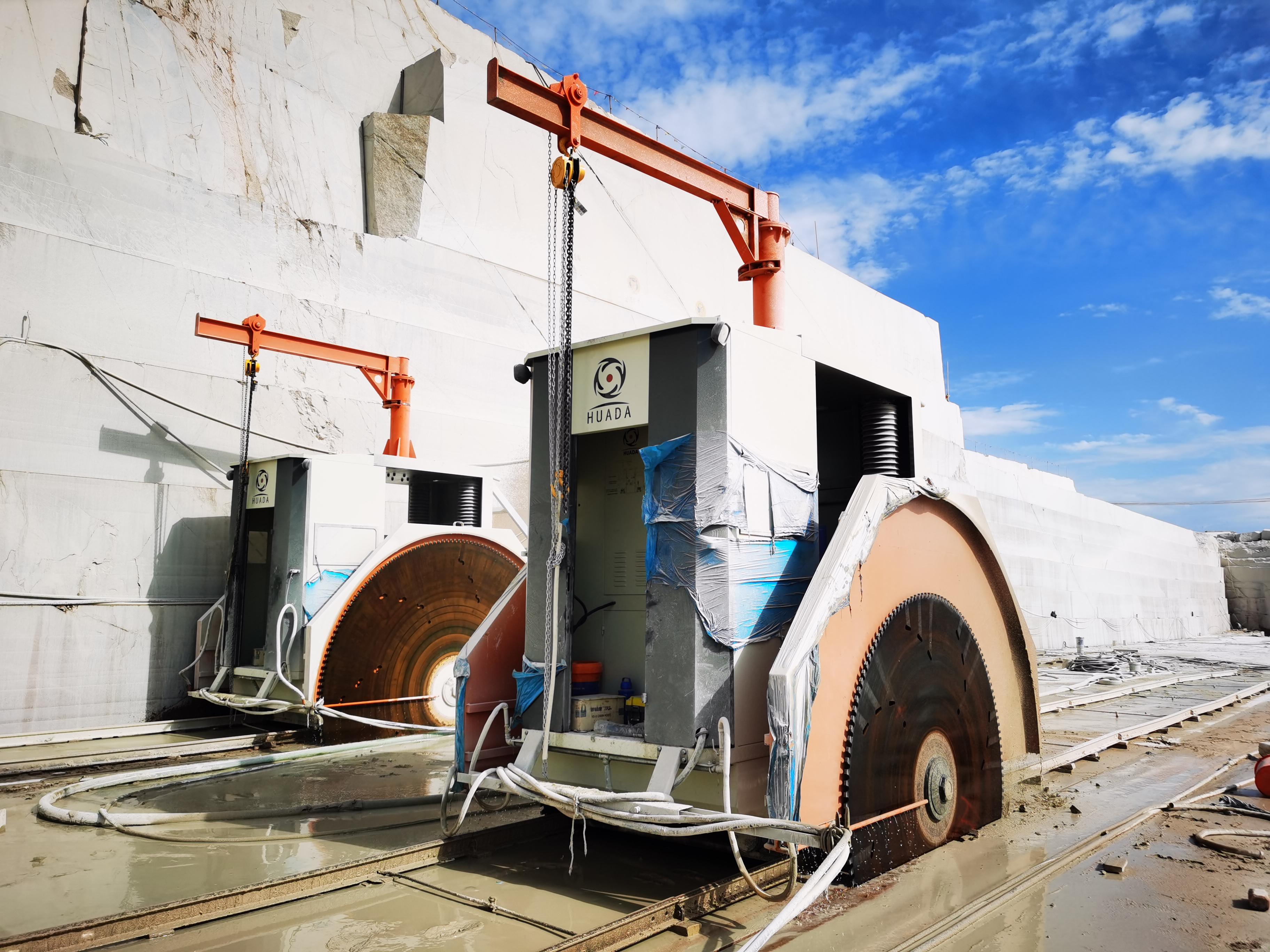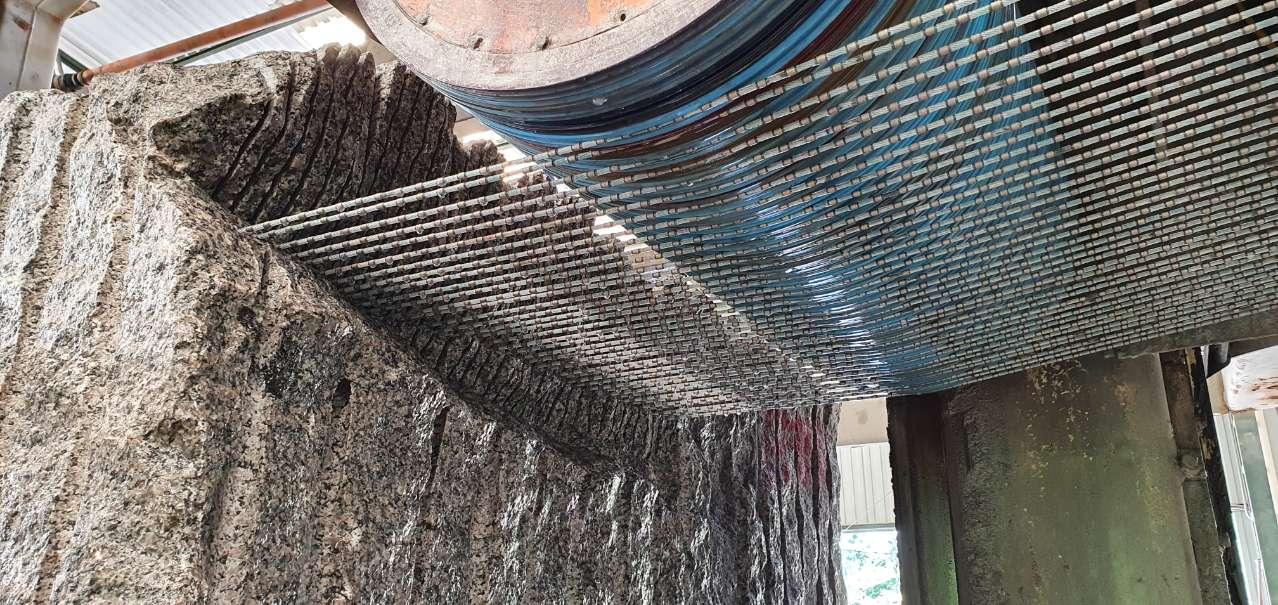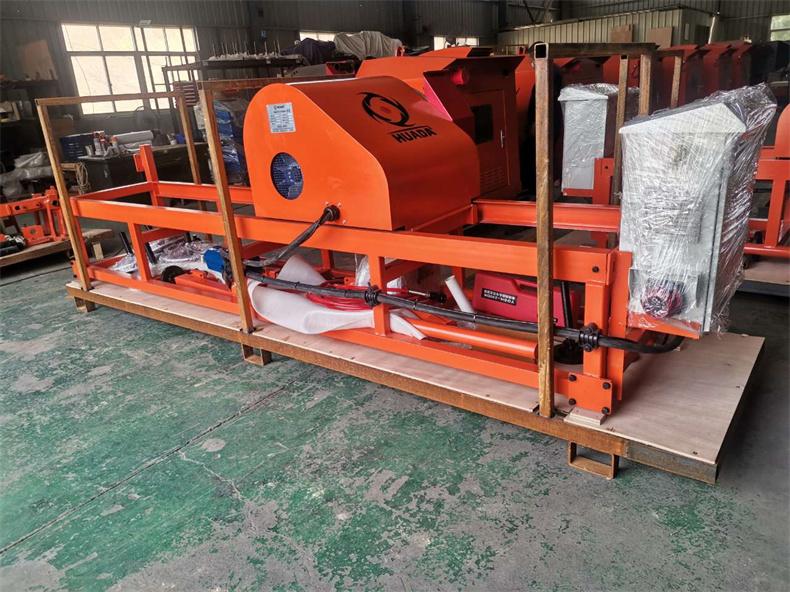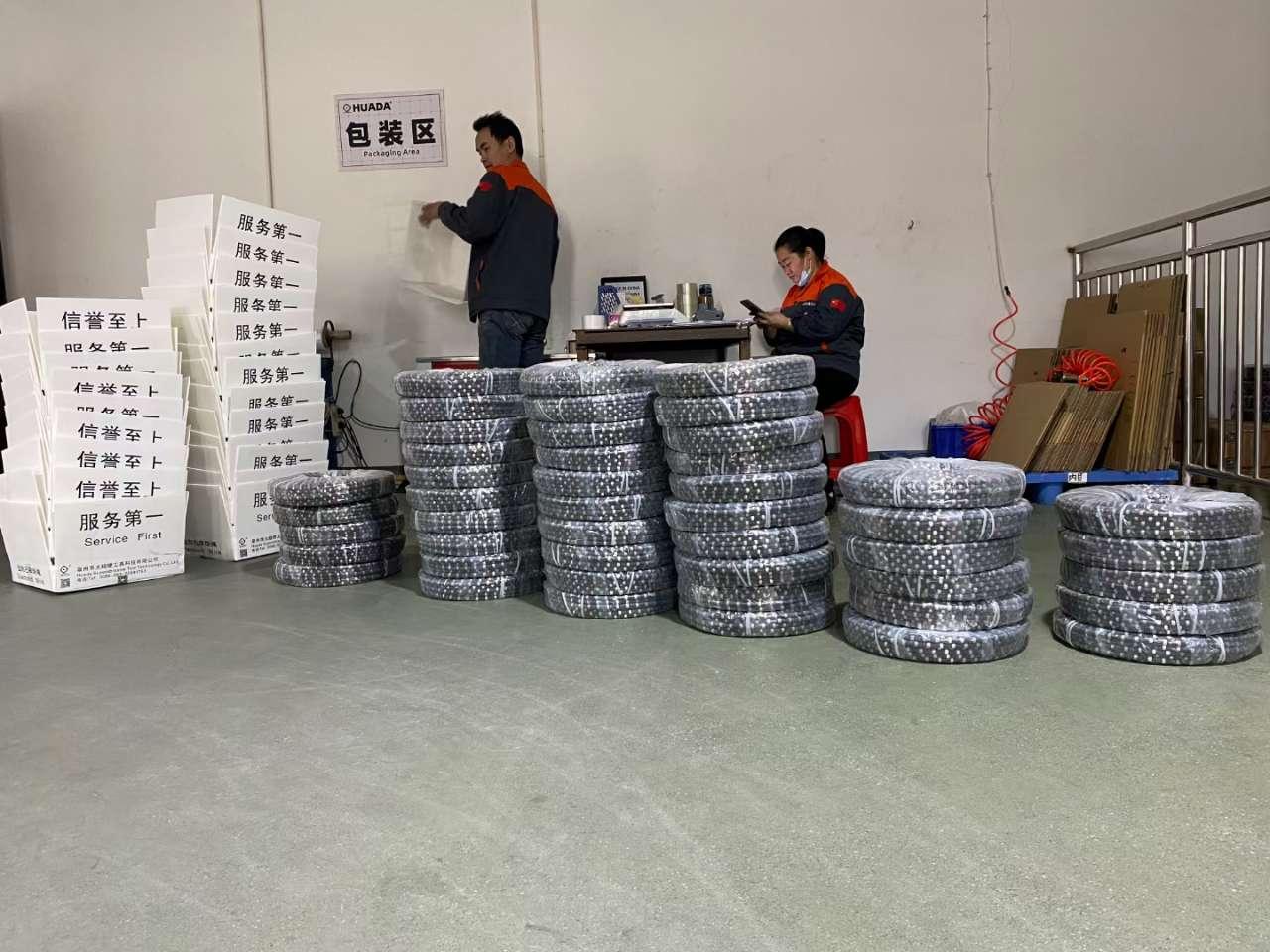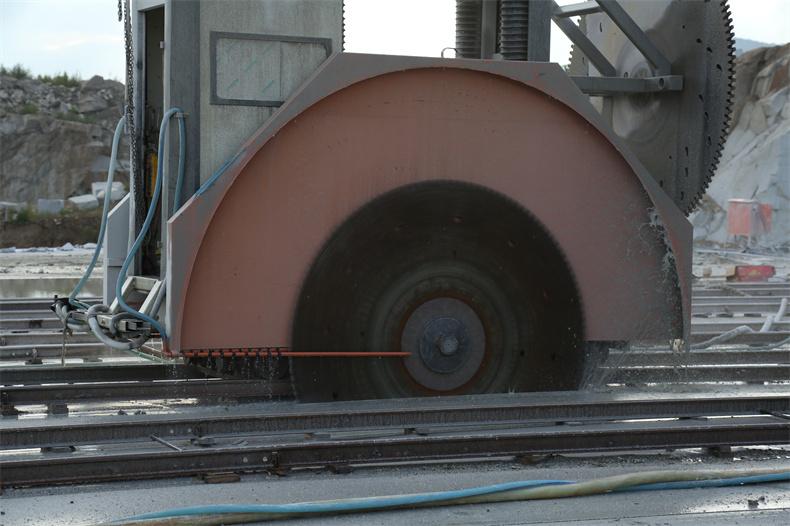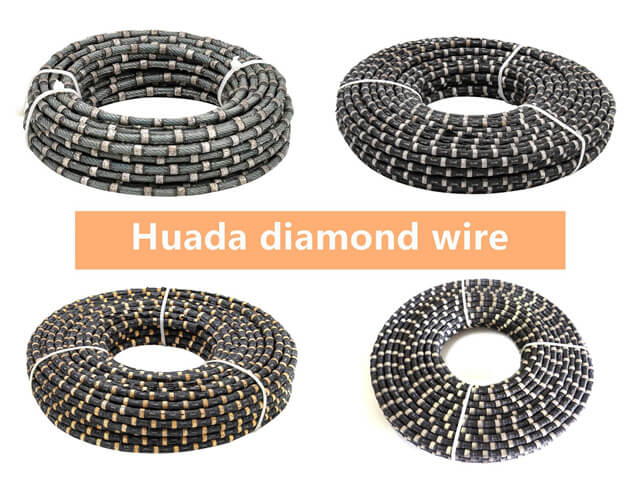

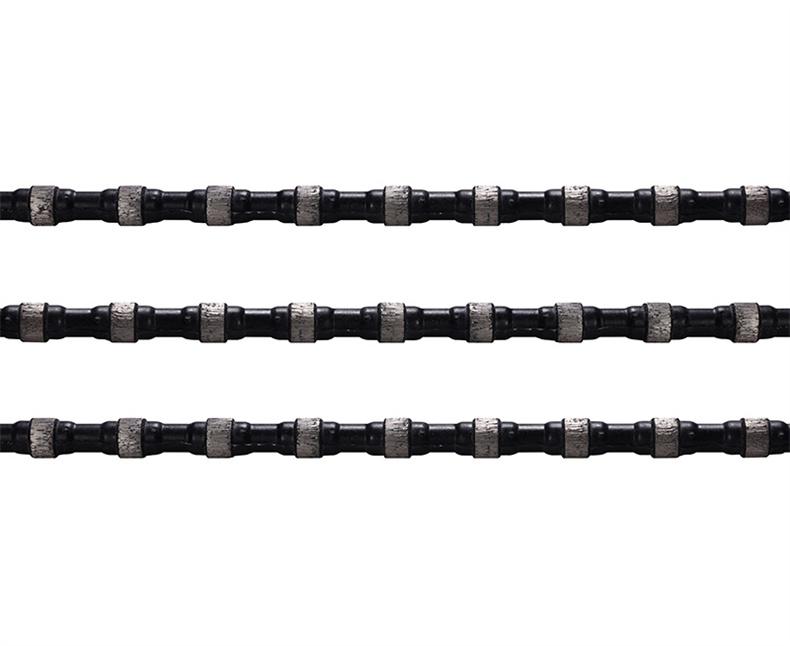
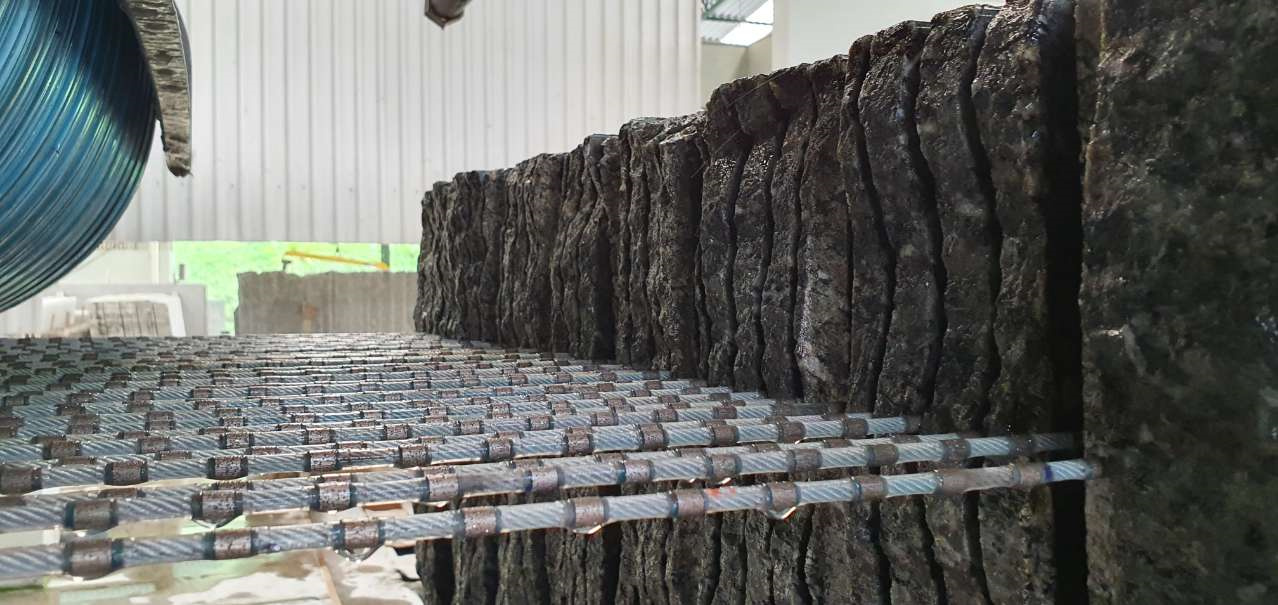
This small-diameter diamond wire is intended for multi-wire saw machines that turn stone blocks into slabs. The old table covers soft stone, marble, granite and quartzite through one plastic-assembled wire family, with diameter and operating ranges adjusted to material hardness.
The machine setup is part of the wire specification
Multi-wire performance is not defined by bead diameter alone. Send the saw make and model, number of wires, pulley condition, target slab thickness and the material normally processed. The source states that wire development considers both the machine and the main material, which makes an installed-machine record more useful than a generic request for multi-wire rope.
Ranges retained from the source table
| Stone group | Diameter options | Beads per metre | Wire speed | Listed cutting speed |
|---|---|---|---|---|
| Soft | Φ8.5 / 7.3 / 6.3 / 5.3 mm | 37 | 30–33 m/s | 1.2–1.5 m²/h |
| Medium | Same listed range | 37 | 28–32 m/s | 0.6–1.2 m²/h |
| Hard / quartzite | Same listed range | 37 | 26–32 m/s | 0.4–0.6 m²/h |
The table lists plastic assembly and separate production ranges for each hardness group. Use those values as a starting comparison with a representative block, not as an unconditional output guarantee.
Record the whole set during a trial
- Identify the stone and block dimensions.
- Record every installed wire diameter and its position.
- Check pulley condition, tensioning and water distribution.
- Measure slab thickness and surface condition across the block.
- Track cut time and wire use for the complete set.
Original product images